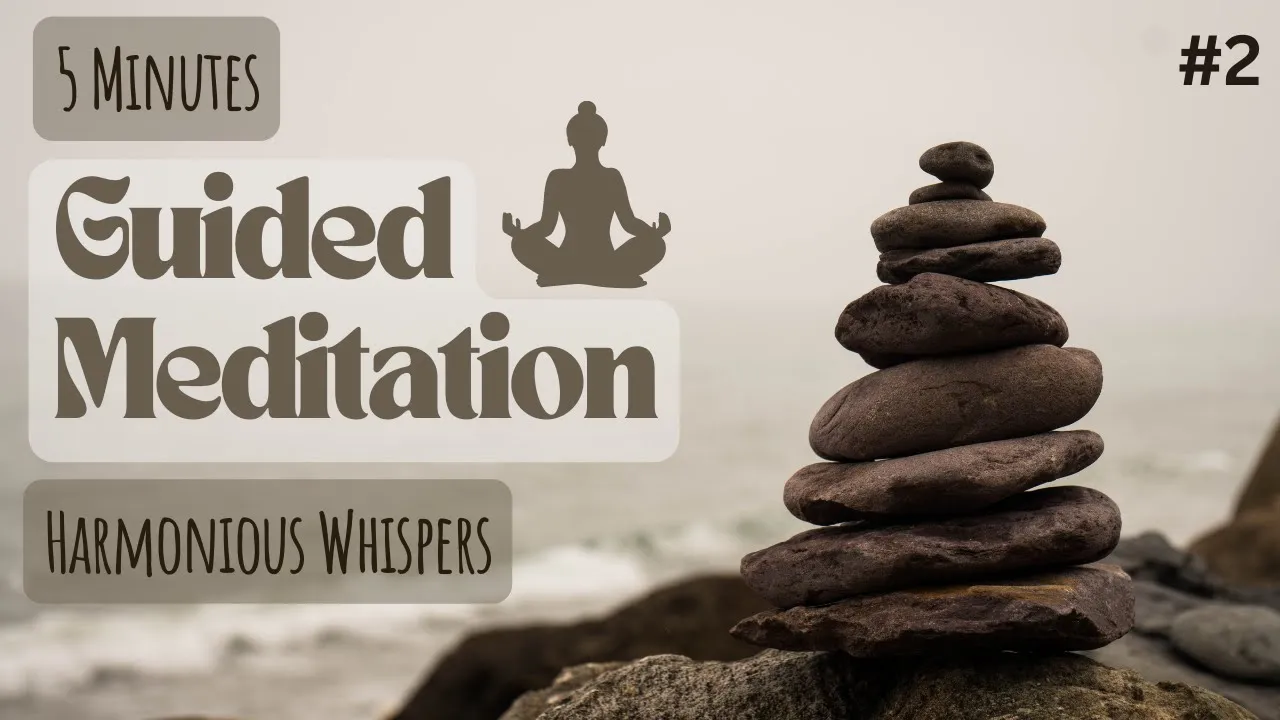
Embarking on a journey with guided meditation can profoundly transform your life, unlocking reservoirs of inner peace, unwavering strength, and profound calm you never knew existed. If you’ve been searching for an effective way to navigate stress, enhance mental clarity, or simply cultivate a deeper connection with yourself, this comprehensive guide will illuminate the path, providing actionable insights and expert techniques to integrate the power of guided meditation into your daily routine for lasting well-being.
What Exactly is Guided Meditation? Unpacking the Core Concept
At its heart, guided meditation is a powerful practice where an instructor or pre-recorded audio leads you through a meditation session. This guidance can take many forms: verbal instructions, soothing music, or even carefully crafted soundscapes designed to facilitate a specific state of mind.
Unlike unguided meditation, where practitioners rely solely on their internal discipline, guided meditation offers a structured framework, making it particularly accessible for beginners or anyone seeking a focused approach to their practice. The guide’s voice acts as an anchor, helping you maintain focus, gently redirecting your attention when it wanders, and leading you through various techniques like breath awareness, body scans, or elaborate visualizations. It’s an invitation to explore your inner landscape with a trusted companion, fostering a sense of ease and reducing the common challenges associated with establishing a consistent meditation practice.
The beauty of guided meditation lies in its versatility. It can be tailored to address specific needs, from reducing anxiety and promoting sleep to cultivating gratitude or enhancing self-awareness. By lending their voice and expertise, guides empower you to delve deeper into your meditative state, often achieving a level of relaxation and insight that might otherwise take years of independent practice. This makes it an invaluable tool for modern life, offering a readily available sanctuary from the incessant demands and distractions of the external world.
The Profound Benefits of Guided Meditation: More Than Just Relaxation
The embrace of guided meditation extends far beyond momentary relaxation; it cultivates a fertile ground for profound personal growth and sustained well-being. Regular practice rewires neural pathways, fostering a healthier and more resilient mind-body connection. Here’s a closer look at the transformative benefits you can expect:
Reducing Anxiety & Stress with Guided Techniques
One of the most widely sought benefits of guided meditation is its remarkable ability to mitigate anxiety and stress. By directing your attention to the present moment and away from anxious thoughts about the past or future, guided practices activate the parasympathetic nervous system, initiating the body’s “rest and digest” response. This leads to a measurable reduction in stress hormones like cortisol, lowering heart rate and blood pressure, and promoting a deep sense of calm. Many guided sessions specifically focus on stress relief, utilizing techniques that encourage the release of tension and fostering a more balanced emotional state.
Key Insight: Regular guided meditation for anxiety can literally change your brain’s response to stress, making you more resilient over time.
Improving Sleep Quality: Your Path to Restful Nights
If you struggle with sleeplessness, guided meditation for sleep can be a game-changer. These meditations are specifically designed to quiet the overactive mind, releasing the day’s worries and preparing your body for a deeply restorative rest. Techniques often include progressive muscle relaxation, calming visualizations, and gentle breathing exercises that lull you into a natural sleep state.
Instead of tossing and turning, you’re guided softly into slumber, fostering better sleep hygiene and enhancing overall vitality.
One of the most effective strategies for improving sleep is to integrate a short guided meditation for sleeping into your nightly routine, signaling to your body and mind that it’s time to unwind. Many popular guided meditation apps offer extensive libraries dedicated to sleep, making it easy to find a voice and style that resonates with you.
Boosting Inner Strength & Resilience: Facing Life’s Challenges
Beyond calming the mind, guided meditation is an incredible tool for cultivating inner strength. Through specific visualizations and affirmations, you learn to tap into your innate resilience, building a stronger sense of self-worth and confidence. By regularly practicing meditations that focus on overcoming obstacles and affirming your capabilities, you equip yourself with mental fortitude to navigate life’s inevitable challenges with grace and determination. It’s about recognizing that storms may come, but your inner sky remains vast and clear.
Fostering Emotional Healing & Well-being
Guided meditation for healing can facilitate profound emotional processing. By creating a safe, internal space, you can acknowledge and release stored emotions, process grief, or cultivate self-compassion. Many guided sessions encourage practices like loving-kindness meditation, where you extend warmth and forgiveness to yourself and others, fostering a deeper sense of interconnectedness and emotional peace. This isn’t about avoiding pain, but moving through it with awareness and kindness.
Enhancing Focus & Mindfulness in Your Daily Life
In our attention-divided world, mindful guided meditation is a powerful antidote. By consistently bringing your attention back to the breath or the guide’s voice, you train your mind to stay present and focused. This enhanced mindfulness doesn’t just benefit your meditation cushion; it spills over into all aspects of your life, improving concentration at work, deepening your relationships, and allowing you to savor each moment more fully. You become more aware of your thoughts, feelings, and surroundings without judgment, leading to greater clarity and presence.
Getting Started with Guided Meditation: A Beginner’s Guide
If you’re new to the world of meditation, the idea of sitting still and quieting your mind might seem daunting. This is precisely where guided meditation for beginners shines. It provides a gentle, supportive entry point, making the practice accessible and enjoyable from your very first session.
Finding Your Ideal Space & Time for Practice
The good news is that you don’t need a dedicated meditation studio. A quiet corner in your home, a comfortable chair, or even your bed can suffice. The key is to minimize distractions. Inform household members of your meditation time, silence your phone, and choose a time of day when you can consistently commit. Many find success with a morning guided meditation to set a positive tone for the day, or a guided meditation to sleep at night to unwind.
The consistency of your practice is often more important than the duration. Even 5 minutes guided meditation daily can yield significant benefits over time.
Simple Techniques for Beginners: Breath, Body Scan & Visualization
Most introductory guided meditation scripts incorporate these fundamental techniques:
- Breath Awareness: Simply focusing on the sensation of your breath – the cool air entering your nostrils, the rise and fall of your chest or abdomen. The guide will often prompt you to notice these sensations without judgment.
- Body Scan: Systematically bringing your awareness to different parts of your body, noticing any sensations (tension, warmth, tingling) and gently releasing them. This is particularly effective for deep relaxation guided meditation and preparing for sleep.
- Visualization: Following the guide’s narrative to imagine specific scenes, lights, or sensations. This can be a peaceful landscape, a warm, healing light, or a protective shield. Our included ‘Pathways of Peace’ script uses visualization extensively.
The goal isn’t to stop thinking, but to observe your thoughts without getting swept away by them. Each time your mind wanders (and it will!), gently bring your attention back to the guide’s voice or the anchor point. This act of returning is the core of the practice and where true mental training occurs.
Using Guided Meditation Scripts Effectively
A guided meditation script is the backbone of any session. It provides the structured journey, ensuring you cover key elements for a beneficial practice. When using a script, either read it aloud to yourself slowly, or have a friend read it to you, focusing on a calm, steady voice. The words are designed to evoke specific feelings and visualizations, so allow yourself to fully immerse in the narrative.
Pro Tip: Don’t try too hard. The essence of meditation is effortless awareness. Let the guide do the work; your job is simply to listen and allow.
Guided Meditation #1: Pathways of Peace (Your Expert-Led Session)
- Hello and welcome. You’re listening to this guided meditation to help you find your inner strength and calm. I invite you to find a quiet and comfortable space, away from any distractions. Settle yourself into a comfortable position, sitting or lying down. Close your eyes and let’s begin.
- Take a deep breath in through your nose, hold it for a few seconds, and then exhale out through your mouth. Do this a few more times at your own pace. Each time you breathe out, let go of any tension or stress you may be holding in your body.
- Now, I want you to imagine a warm, glowing light at the center of your chest, a light that represents your inner strength. With every breath you take, visualize this light becoming brighter, filling your chest and then your entire body. This light is your inner power, your resilience, your courage.
- As you breathe in, the light gets brighter, and as you breathe out, it expands, reaching every part of your body, filling you with a sense of peace and strength. Feel it flow from your chest to your shoulders, down your arms to your fingertips, down your spine to your legs, all the way to your toes.
- Now, imagine this light is beginning to flow outside your body, expanding like a protective shield. It fills the room you’re in, and then expands even further. Picture it seeping into every nook and cranny of your life, filling it with strength and serenity.
- Think of a challenge you’re currently facing. Picture it as a storm cloud. Despite its imposing appearance, remember that you are not the storm, you are the sky. The storm can rage, but it can never affect the sky. You are the constant, the permanent sky.
- As this storm cloud approaches, your light, your inner strength shields you. Feel how this light absorbs the cloud, diminishes its power, how it dissolves into nothing. This is your inner strength, capable of facing and overcoming any challenge.
- As we continue this meditation journey, hold onto this visualization of your inner strength. Now, imagine yourself standing at the edge of a beautiful forest. This forest represents your life, your experiences, your triumphs, your learnings. Each tree, each leaf, represents a part of your journey.
- As you begin to walk into the forest, notice how your inner light shines brighter with each step, illuminating the path ahead. Feel your inner strength growing, your self-belief deepening with each stride.
- You come across a tree that symbolizes a personal achievement, a moment you overcame an obstacle. Acknowledge this, feel the power of that moment. Remember how you faced that challenge and emerged stronger, wiser.
- Feel the interaction between the light within you and the energy of this forest. Absorb the strength of each tree, each leaf, each symbol of your past achievements and lessons learned. This forest is your journey, and each step strengthens your inner light.
- As we near the end of this meditation, remember this light, this forest, your journey, and your accomplishments are always within you. You are a reservoir of strength, resilience, and wisdom.
- Begin to deepen your breath, bringing movement back into your body. Wiggle your fingers, your toes, and when you’re ready, stretch your body in a way that feels good for you.
- Slowly open your eyes, coming back to your surroundings. Carry this inner strength, this resilience, and wisdom with you as you navigate the world.
- Thank you for joining this guided meditation. Remember, you are powerful, you are resilient, you are strong. Take care.
Exploring Different Types of Guided Meditation for Every Need
The world of guided meditation is incredibly diverse, offering specialized practices to cater to various goals and preferences. Understanding these different approaches can help you find the perfect fit for your personal journey.
Mindfulness-Based Guided Meditation: Living in the Present
Mindfulness guided meditation focuses on cultivating present moment awareness. These sessions typically guide you to observe thoughts, feelings, and bodily sensations without judgment. The emphasis is on developing a non-reactive awareness, which can be highly effective for reducing cognitive rumination and fostering a sense of inner spaciousness. It’s about being fully present, whether you’re eating, walking, or simply sitting.
Spiritual & Manifestation Guided Meditation: Connecting with Deeper Purpose
For those seeking a deeper connection to their spiritual self or wishing to manifest specific desires, spiritual guided meditation and manifestation guided meditation offer a potent pathway. These practices often involve visualizations of desired outcomes, affirmations of personal power, and a focus on connecting with a higher self or universal energy. They can be incredibly empowering for cultivating a sense of purpose and aligning with your aspirations.
Guided Meditation for Specific Goals: Anxiety, Sleep, Pain & More
- Guided Meditation for Anxiety: Often involves calming breathwork, grounding techniques, and positive affirmations to alleviate anxious feelings.
- Guided Meditation for Sleep: Focuses on deep relaxation, body scans, and soothing narratives to prepare the mind and body for rest.
- Guided Meditation for Pain Management: Teaches techniques to shift attention away from pain, observe sensations neutrally, and cultivate a sense of ease around discomfort.
- Guided Meditation for Healing: Directs energy towards areas of the body needing restoration, often incorporating visualizations of light and warmth.
- Guided Meditation for Stress Relief: Similar to anxiety meditations, but often broader, aiming to release general tension from the body and mind.
Yoga Nidra & Deep Relaxation: The Art of Yogic Sleep
Yoga Nidra guided meditation, often called “yogic sleep,” is a profound technique for deep relaxation and conscious rest. While you lie comfortably, a guide systematically takes you through various body parts, senses, and visualizations, leading you to a state between wakefulness and sleep. This practice is incredibly restorative, capable of deeply relaxing the nervous system and rejuvenating the entire being, often feeling equivalent to several hours of sleep.
Top Resources: Apps, YouTube, & Free Options for Your Practice
With the rise of digital platforms, accessing high-quality guided meditation has never been easier. From dedicated applications to free online content, there’s a resource for every preference and budget.
Best Guided Meditation Apps: Your Pocket Companion
Guided meditation apps offer a structured, convenient, and often personalized way to practice. Many provide extensive libraries of meditations for sleep, anxiety, focus, stress, and more, featuring renowned teachers and customizable programs. Look for apps with user-friendly interfaces, a good variety of guided content, and options for both beginners and experienced practitioners. Many offer free trials or limited free content before requiring a subscription.
Popular YouTube Channels for Guided Meditation
YouTube is a treasure trove of free guided meditation content. Searching for “guided meditation YouTube” or specific types like “guided meditation sleep YouTube” will yield countless options. Channels like those featuring Jason Stephenson or The Honest Guys are well-regarded for their calming voices and effective scripts. While free, ensure you choose videos from reputable creators with clear audio and positive community feedback to ensure a quality experience.
Finding Free Guided Meditations: Accessible Paths to Calm
Beyond YouTube, many websites and platforms offer free guided meditation sessions. Public libraries often have digital resources, and some meditation centers provide free audio or video recordings. Podcasts are another excellent source, allowing you to download and listen offline. When exploring free options, prioritize clarity of instruction and a voice that you find soothing and trustworthy. The abundance of free content means you can experiment to find what truly resonates with you without any financial commitment.
Integrating Guided Meditation into Your Daily Life
Making guided meditation a consistent part of your routine is key to unlocking its full potential. It’s not about finding extra time, but about consciously carving out moments for self-care and mental well-being.
Short Meditations: 5, 10, or 15 Minutes for Busy Schedules
You don’t need to dedicate hours to meditation. Even brief sessions can be incredibly impactful. A 5 minutes guided meditation can offer a quick reset during a busy workday, or a 10 minute guided meditation can be perfect for transitioning from work to evening activities. These short bursts of mindfulness help maintain consistency and build momentum for longer practices over time. Many guided meditation apps specifically feature short sessions for this purpose.
Morning vs. Night Practices: Tailoring Your Routine
The ideal time to meditate often depends on your personal rhythms and goals. A morning guided meditation can help you start the day with clarity, intention, and a sense of calm, preparing you to handle challenges proactively. Conversely, a night guided meditation, especially one focused on sleep guided meditation, can release the day’s tensions, soothe your nervous system, and usher in a peaceful night’s rest.
Consistency is Key: Building a Lasting Habit
The true power of guided meditation emerges through consistent practice. Even if it’s just 5-10 minutes each day, showing up for yourself consistently builds mental muscle, enhances self-awareness, and gradually transforms your default state into one of greater peace and resilience. Treat it as a non-negotiable appointment with yourself, a vital investment in your mental and emotional health.
The Science Behind the Calm: How Guided Meditation Works
While the benefits of guided meditation often feel profoundly spiritual, there’s a growing body of scientific evidence demonstrating its physiological and neurological impacts. Research utilizing fMRI scans shows that regular meditation practice can lead to structural changes in the brain, including increased gray matter density in areas associated with learning, memory, emotion regulation, and self-awareness (like the hippocampus and prefrontal cortex).
Concurrently, there’s often a decrease in activity in the amygdala, the brain’s “fight or flight” center, which explains the reduction in anxiety and stress.
The guided aspect further enhances these effects by providing explicit instructions that help individuals maintain focus and achieve deeper states of relaxation. The soothing voice of a guide, combined with specific breathing or visualization prompts, helps to entrain brainwaves into calmer states (alpha and theta waves), promoting a profound sense of peace. This scientific validation underscores that guided meditation is not just a ‘feel-good’ practice, but a legitimate and powerful tool for enhancing mental and physical health.
Overcoming Common Challenges in Your Meditation Journey
Even with guided meditation, you might encounter some common hurdles. Don’t be discouraged if your mind wanders or if you feel fidgety. These are normal parts of the process, especially for beginners.
Distraction: It’s natural for your mind to drift. The key isn’t to fight your thoughts, but to gently acknowledge them and then guide your attention back to the breath, the guide’s voice, or your chosen anchor point. Each time you do this, you strengthen your capacity for focus.
Impatience: Results from meditation are often subtle and cumulative. Don’t expect instant enlightenment or a complete eradication of stress from day one. Trust the process, maintain consistency, and celebrate small shifts in your awareness and well-being. Regular practice, even when challenging, builds resilience.
Remember, meditation is a practice, not a destination. Every session, regardless of how “good” or “bad” it feels, contributes to your overall journey towards inner peace, strength, and calm.
Conclusion: Your Path to Lasting Peace Through Guided Meditation
The journey with guided meditation is a profound invitation to reconnect with your authentic self, to cultivate a sanctuary of calm within, and to harness an unwavering inner strength.
From alleviating the grip of anxiety and stress to ushering in deeper, more restorative sleep, the benefits are expansive and scientifically supported. Whether you’re a curious beginner exploring your first guided meditation app or a seasoned practitioner seeking new depths, the consistent practice of mindful attention, guided by an expert voice, holds the key to a more balanced, resilient, and peaceful existence.
Embrace this powerful tool, commit to your well-being, and discover the transformative ‘Pathways of Peace’ that lie within you. Your journey towards a calmer, more centered life starts here.
Disclaimer: The content in this article is for informational purposes only and is not a substitute for professional advice. Reliance on any information is strictly at your own risk.