full moon and meditation
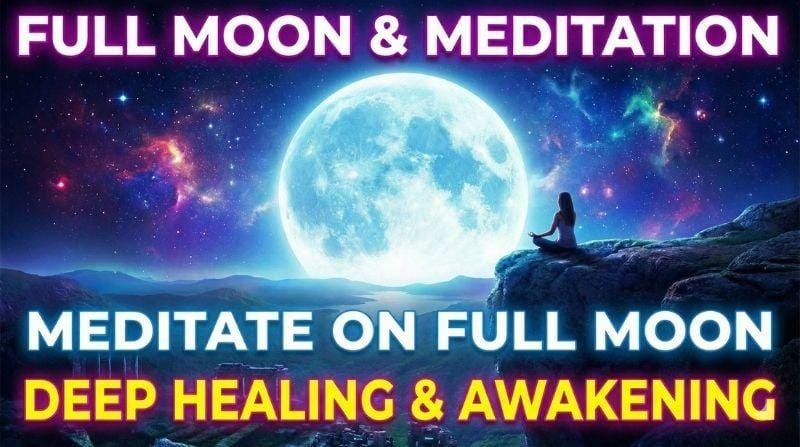
Experience powerful transformation with full moon meditation. Release old energy, manifest intentions & connect deeply. Find your complete guide here!
In this article
What the evidence shows — and what it does not. Music and binaural beats do have measurable effects: controlled studies report reduced anxiety and lower perceived pain, alongside changes in EEG activity during listening. Those results come from small and varied studies, so treat them as promising rather than settled. What is not supported is the idea that one exact frequency performs one exact biological task. There is no peer-reviewed evidence that 528 Hz repairs DNA, and the “Solfeggio” set was assembled in the late 1990s rather than inherited from medieval chant. Choose a tone because the sound suits you and helps you settle — that part is real — not because a number is doing something measurable to your cells.
Moon Phases – Last 10 Years
The ethereal glow of a full moon has captivated humanity for millennia, drawing us into its rhythmic dance across the night sky. For those seeking deeper spiritual connection and personal growth, aligning with this powerful celestial event through full moon meditation offers a profound pathway to release, manifestation, and inner harmony. This comprehensive guide will illuminate the significance of lunar cycles and equip you with practical techniques to harness the moon's energy, transforming your meditative practice and enhancing your well-being.
Play this while you read
Harnessing Lunar Energy: The Power of Full Moon Meditation
For centuries, cultures worldwide have revered the full moon as a time of heightened energy, illumination, and spiritual potency. It's the peak of the lunar cycle, when the moon is fully visible from Earth, bathing our planet in its radiant light. This isn't just a beautiful astronomical event; it's a profound energetic influence that can be consciously leveraged for personal development, emotional cleansing, and powerful manifestation.
Full moon meditation is a practice designed to tap into this amplified energy. It’s a deliberate act of mindfulness and intention, performed during the few days surrounding the full moon, to align oneself with the cosmic flow. Think of it as opening a cosmic channel to receive and transmit energy, allowing you to amplify your intentions and shed what no longer serves you.
The Full Moon Phenomenon: More Than Just a Celestial Spectacle
The moon's gravitational pull famously dictates the ocean's tides, causing water levels to rise and fall. Considering that the human body is comprised of approximately 60% water, it's not a leap to consider that lunar phases might exert a subtle yet significant influence on our own internal tides—our emotions, energy levels, and even our thoughts. During a full moon, this energetic pull is at its strongest, often leading to feelings of intensity, heightened awareness, and sometimes, restlessness.
Astrologically, each full moon occurs in a specific zodiac sign, infusing the lunar energy with the unique qualities of that sign. For example, a Full Moon in Gemini meditation might focus on communication and mental clarity, while a Full Moon in Pisces meditation could emphasize intuition, dreams, and spiritual release. Understanding these subtle shifts allows you to tailor your meditation practice for even greater impact.
Many ancient traditions recognized the full moon as a powerful time for harvest, celebration, and culmination. It's when seeds planted during the new moon phase reach their full potential, signaling a moment to gather, reflect, and prepare for the next cycle. Embracing full moon meditation is a modern way to honor this ancient wisdom, integrating it into our busy lives for holistic well-being.
Why Meditate During a Full Moon? Unlocking Ancient Wisdom
The question, "Why full moon meditation?" stems from a deep-seated intuition that this lunar phase offers something special. It's a time when the veil between the conscious and subconscious minds feels thinner, making it easier to access deeper insights and emotional truths. The full moon acts like a spotlight, illuminating what needs attention in our lives—both the blessings and the blocks.
This period is particularly potent for:
- Introspection: The bright lunar light encourages us to look inward, shedding light on hidden patterns or unresolved feelings.
- Release: It’s an ideal time to identify and let go of old habits, negative emotions, limiting beliefs, or anything that no longer serves your highest good. Many specifically seek full moon meditation to release what holds them back.
- Manifestation: The energetic peak empowers your intentions, making it an excellent time to visualize and affirm your desires, bringing them closer to reality. This is often linked to full moon abundance meditation.
- Gratitude: Reflecting on what has manifested since the new moon and expressing appreciation for your blessings amplifies positive energy.
By consciously engaging in meditation during this phase, we align ourselves with this natural cycle of release and renewal, fostering a sense of harmony and accelerating personal growth.
The Profound Benefits of Full Moon Meditation
Engaging in regular full moon meditation offers a spectrum of advantages, touching every facet of your being—emotional, mental, physical, and spiritual. These benefits are not merely anecdotal; they are rooted in the psychological power of ritual, intention, and mindful presence, amplified by the energetic qualities of the lunar cycle. Let's explore some of the most compelling full moon meditation benefits.
Emotional Release and Letting Go
The full moon is renowned as an optimal time for emotional catharsis. Just as the moon pulls the tides, it can metaphorically pull to the surface emotions, unresolved conflicts, or past traumas that are ready to be acknowledged and released. Many actively seek full moon meditation for releasing, allowing them to shed burdens they've carried.
During this period, our emotional landscape can feel intensified, making it easier to identify what’s causing internal friction. A dedicated meditation practice can provide a safe container to process these feelings without judgment, allowing them to move through you rather than becoming stagnant. This process can lead to immense emotional lightness, clarity, and peace. It's a powerful opportunity to forgive, accept, and move forward.
Key Insight: The full moon's illumination symbolically brings hidden emotions to light, providing the perfect energetic window for conscious release and healing.
Manifestation and Abundance
While the new moon is traditionally associated with setting intentions, the full moon is the phase of culmination and manifestation. It's when the energy you've been cultivating reaches its peak, making it an incredibly potent time to affirm and accelerate the manifestation of your desires. This makes full moon abundance meditation a popular practice.
By focusing your energy and attention on what you wish to create or attract into your life, you are essentially supercharging your intentions. The amplified lunar energy acts as a catalyst, helping to bring your dreams closer to reality. This isn't about passive wishing; it's about active visualization, gratitude for what is to come, and a firm belief in your ability to co-create your reality.
Enhanced Intuition and Spiritual Insight
The full moon often correlates with a heightened sense of intuition and psychic awareness. The increased energetic sensitivity can make it easier to tap into your inner wisdom, receive spiritual guidance, and gain profound insights into your path. If you often feel more 'tuned in' during this time, you're experiencing the natural effect of the lunar phase.
Through dedicated full moon night meditation, you can quiet the analytical mind and open yourself to the subtle whispers of your soul and the universe. This can lead to breakthroughs, creative inspiration, and a deeper understanding of your purpose. Many report clearer dreams, stronger gut feelings, and a sense of profound connection to something larger than themselves.
Deep Healing and Renewal
Just as the full moon encourages emotional release, it also provides a powerful energetic window for physical and spiritual healing. This is why many seek full moon meditation for healing, directing the moon's potent energy towards areas of their life or body that require restoration.
The intense light and energy can help to purify and rejuvenate your entire system. By setting an intention for healing during your meditation, you can consciously direct this lunar energy to release blockages, soothe discomfort, and promote overall well-being. This can be particularly effective when combined with visualization techniques, where you imagine the moonlight cleansing and revitalizing your cells.
Grounding and Connection
Paradoxically, while the full moon amplifies energy, it also offers a unique opportunity for deep grounding. The culmination of the cycle allows for a sense of completion, which can bring profound stability. Full moon grounding meditation helps you to anchor yourself amidst the swirling energies, connecting you deeply to both the Earth and the cosmos.
This sense of connection extends beyond the self, fostering a feeling of unity with nature, the universe, and all sentient beings. Practicing meditation outdoors under the direct gaze of the full moon can amplify this connection, reminding you of your place within the grand tapestry of existence. It cultivates a sense of peace, belonging, and interconnectedness that is deeply nourishing for the soul.
Preparing for Your Full Moon Meditation: A Step-by-Step Guide
To truly maximize the power of your full moon meditation, thoughtful preparation is key. It's not just about sitting down; it's about creating an intentional space and mindset that honors the lunar energy. This section provides a practical full moon meditation guide to help you set the stage for a powerful experience.
When to Meditate: Timing Your Practice
A common question is, "When to do full moon meditation?" While the precise moment of the full moon is astronomical, its energetic influence is felt for approximately 2-3 days before and after this peak. This gives you a generous window to perform your practice. Many prefer to meditate on the evening of the actual full moon, or the night immediately preceding or following it, to bask in its maximum luminosity.
There's no strict rule for "how often full moon" meditations should occur beyond the lunar cycle itself. However, integrating a practice around each full moon throughout the year can create a consistent rhythm for your personal growth. Some find that meditating as the moon rises is particularly potent, while others prefer later in the evening when the sky is darkest and the moon is highest.
Pro Tip: Check a reliable moon phase calendar or an astrological app to know the exact date and time of the full moon in your specific location. This can help you plan your full moon meditation for tonight or for upcoming dates like full moon meditation March 2025.
Creating Your Sacred Space
Your environment plays a crucial role in deepening your meditative experience. A sacred space signals to your mind and spirit that it's time to transition into a state of mindful presence.
- Choose a Quiet Location: Find a place where you won't be disturbed. This could be indoors or outdoors. If meditating outside, ensure you're comfortable and safe. Many enjoy full moon beach meditation for its natural ambiance.
- Cleanse the Space: Before you begin, clear away clutter. You might smudge the area with sage or palo santo, or simply open windows to allow fresh air to circulate, symbolizing the release of old energy.
- Ambiance: Light candles (white or silver are particularly fitting for moon energy), diffuse essential oils known for relaxation (lavender, frankincense, sandalwood), or place crystals (moonstone, selenite, clear quartz) around your space to amplify intention.
- Comfort: Ensure you have a comfortable cushion or mat to sit on. You want to be at ease so you can focus on your inner experience rather than physical discomfort.
Setting Intentions for Release or Manifestation
This is arguably the most critical step. Without a clear intention, your meditation can lack direction and impact. The full moon is dual-faceted: a time for both releasing what no longer serves you and manifesting what you desire.
- For Release: Reflect on what emotional baggage, limiting beliefs, negative habits, or relationships you are ready to let go of. Be specific. For instance, "I release the fear of failure," or "I let go of the need to control outcomes." Write these down on a piece of paper. This is a powerful practice for those seeking full moon meditation to release.
- For Manifestation: Clearly articulate what you wish to call into your life. Frame your intentions in the present tense, as if they have already happened. "I am attracting abundant opportunities," or "I am vibrant and healthy." Visualize the feeling of these desires already being fulfilled.
Take a few moments before your meditation to quietly contemplate your intentions. You might even speak them aloud to solidify their power. This intentionality differentiates a casual sit from a deeply transformative full moon meditation practice.
Practical Full Moon Meditation Ideas & Techniques
Once your space is prepared and your intentions are set, you're ready to dive into the meditation itself. There are countless ways to approach full moon meditation, from structured guided practices to freeform intuitive sessions. Here are some popular ideas and techniques to get you started, whether you're looking for a quick 5 min full moon meditation or a deeper dive.
Guided Full Moon Release Meditation Script (Example)
For those new to meditation or who prefer structure, a full moon guided meditation can be incredibly helpful. You can find many audio guides online, or use a simple script like this one:
- Find Your Position: Sit or lie down comfortably. Close your eyes gently. Take three deep breaths, inhaling peace and exhaling tension.
- Connect with the Moon: Visualize the full moon above you, radiating soft, silvery light. Feel its gentle energy washing over you, penetrating your skin, and filling your body.
- Identify What to Release: Bring to mind one thing you wish to release—an emotion, a fear, a habit. Don't judge it, just acknowledge it.
- Visualize Release: As you exhale, imagine this energy leaving your body as a dark mist, dissolving into the moonlight, transforming into pure light. Repeat for anything else you wish to release. You can use your breath as an active tool, envisioning each exhale carrying away a burden.
- Invite New Energy: With each inhale, draw in the pure, cleansing energy of the full moon. Feel it filling the spaces left by what you’ve released, bringing peace, clarity, and renewal.
- Gratitude and Conclusion: Hold a sense of gratitude for the moon's assistance. When you’re ready, gently open your eyes, carrying this renewed energy with you.
This simple script forms the basis of many full moon meditation short practices and can be adapted for any length.
Full Moon Abundance Visualization
After a release practice, or as a standalone meditation, focus on manifestation.
- Grounding: Begin with deep breathing to center yourself.
- Vision Board in Your Mind: Close your eyes and vividly imagine your deepest desires already fulfilled. See yourself living your ideal life—what does it look like? What does it feel like? Engage all your senses.
- Lunar Amplification: Imagine the full moon's powerful light shining down, amplifying these visualizations. See the moonlight infusing your intentions with energy, bringing them to fruition with ease and grace.
- Gratitude: Feel immense gratitude for these manifestations as if they are already here. This sense of 'already having' is crucial for attracting.
This technique is a cornerstone of full moon abundance meditation, leveraging the lunar peak for accelerated results.
Sound Healing and Mantra Meditation
Integrating sound can powerfully enhance your full moon practice.
- Sound Baths: Attending a full moon sound bath or listening to ambient music (like youtube full moon meditation music) with singing bowls, gongs, or chimes can help you achieve deeper states of relaxation and release. The vibrations literally resonate with your energetic field.
- Mantra Repetition: Chanting a mantra (a sacred sound or phrase) silently or aloud can focus the mind and infuse your intentions with vibrational energy. A simple mantra like "Om" or "I am light" can be incredibly effective. Consider a specific full moon meditation mantra that resonates with your intention.
- 432 Hz Music: Many find music tuned to 432 Hz to be particularly soothing and aligning with natural frequencies, making it ideal for full moon meditation 432 hz sessions.
Full Moon Walking or Outdoor Meditation
Connecting directly with nature under the full moon can be incredibly potent.
- Moon Gazing: Simply sitting or standing outdoors and gazing at the full moon (if safe and accessible) can be a powerful meditation in itself. Absorb its light and energy directly.
- Walking Meditation: A full moon walking meditation involves mindfully walking under the moonlight, paying attention to each step, the feel of the ground, and the sights and sounds of the night. It's a moving meditation that connects you deeply to the Earth while basking in lunar energy.
- Water Rituals: Some enjoy placing crystals or a bowl of water under the moonlight to charge them, or even taking a moonlit bath with intentions for cleansing and renewal.
For these practices, ensure you are in a safe, secluded location.
Integrating Journaling and Reflection
After your meditation, journaling can help you process insights and solidify your intentions.
- Reflect on Releases: Write down what you felt you released during your meditation. How do you feel now? What emotional space has been created?
- Affirm Manifestations: Reiterate your intentions for manifestation, perhaps writing them as affirmations.
- Record Insights: Note any intuitive messages, images, or feelings that arose during your meditation. These can be valuable clues for your path forward.
This post-meditation reflection deepens the practice and integrates its benefits into your conscious awareness.
Full Moon vs. New Moon: Understanding the Lunar Cycle for Meditation
While often discussed together, full moon meditation and new moon meditation serve distinct purposes, each vital to a balanced spiritual practice. Understanding their differences helps you align your intentions with the appropriate lunar energy, maximizing your efforts and flowing with the natural rhythm of the universe.
Full Moon: Illumination, Release, and Culmination
As we've explored, the full moon represents the peak of the lunar cycle. It's a time of:
- Maximum Illumination: Everything is brought into the light—both your progress and your shadows. This makes it ideal for introspection and confronting what needs to be addressed.
- Release and Letting Go: The powerful energetic pull helps shed old patterns, emotional baggage, and anything that no longer serves your growth. It’s a powerful time to cleanse and purify.
- Culmination and Gratitude: It’s when intentions set during the new moon reach their fruition. It’s a time to celebrate successes, acknowledge growth, and express gratitude for what has manifested.
- Energetic Peak: The energy is often intense, vibrant, and outward-focused, empowering manifestation and heightened intuition.
Think of the full moon as a powerful exhalation—a time to release, expand, and celebrate the harvest.
New Moon: New Beginnings, Intentions, and Planting Seeds
The new moon, by contrast, is the darkest phase of the lunar cycle, when the moon is not visible from Earth. It's a time of quiet, introspection, and nascent energy. This is often described as "what is new moon meditation." Its purpose is to:
- New Beginnings: The darkness symbolizes a blank slate, perfect for planting new seeds of intention.
- Setting Intentions: It's the ideal time for setting goals, making wishes, and clearly defining what you want to bring into your life over the coming month. This is the essence of new moon intention meditation.
- Introspection and Planning: The quiet energy encourages turning inward, listening to your intuition, and planning your next steps.
- Inner Work: It's a fertile ground for self-reflection and cultivating inner peace before the outward growth begins.
Consider the new moon as a deep inhalation—a time to draw inward, plant new seeds, and prepare for growth. Both full and new moon meditations are complementary, creating a balanced cycle of personal and spiritual development. By honoring both, you create a holistic practice aligned with the natural rhythms of the cosmos.
Common Questions & Misconceptions About Full Moons
The full moon has long been a source of fascination, folklore, and sometimes, fear. This section addresses common questions and clarifies some prevalent misconceptions, offering a balanced perspective on why full moon is important and how it impacts us.
Are Full Moons Dangerous or "Bad"?
The idea of are full moons bad or are full moons dangerous is deeply ingrained in popular culture, often linked to myths of werewolves, madness, and increased crime rates. While studies have explored correlations between lunar phases and human behavior, scientific evidence largely dismisses a direct causal link between the full moon and negative events or mental health crises.
However, it's true that some individuals report feeling more restless, agitated, or having disrupted sleep during the full moon. This heightened sensitivity isn't inherently "bad"; it simply means the energy is amplified. Without conscious direction, this amplified energy can lead to overwhelm. With conscious direction through practices like full moon meditation, it becomes a powerful tool for growth and transformation. The key is awareness and channeling the energy constructively.
The Full Moon's Influence on Human Behavior: Fact vs. Folklore
So, why full moon effects on human behavior are often debated? The "lunar effect" is a persistent belief. While scientific studies often yield inconclusive or contradictory results regarding direct correlations with specific behaviors (like hospital admissions or crime), the subjective experience of many people cannot be ignored.
It's more plausible that the full moon's influence is subtle, energetic, and perhaps amplified by our perception and belief systems. The brighter light can indeed disrupt sleep patterns for some, which in turn affects mood and behavior. Spiritually, the full moon's pull on our emotional "tides" can bring subconscious material to the surface, leading to feelings of intensity, creativity, or emotional release. It's less about direct harm and more about a heightened state of being that requires conscious management.
Can Anyone Practice Full Moon Meditation?
Absolutely! Full moon meditation is a universal practice, accessible to anyone regardless of their spiritual background, experience level in meditation, or beliefs. You don't need to be a seasoned yogi or follow a specific religion to connect with the moon's energy. The beauty of this practice lies in its simplicity and adaptability.
Whether you practice a full moon meditation by Sri Sri in Hindi, join a full moon meditation class in your local community, or simply perform a quiet personal reflection at home, the core principles remain the same: intention, mindfulness, and alignment with lunar energy. Children can also benefit from simple moon-gazing and reflection, making it a wonderful family practice for "full moon meditation for kids."
Universal Truth: The moon's energy is a gift available to all. Your personal connection to it is what truly matters, making any full moon for meditation a powerful opportunity.
Maximizing Your Full Moon Experience: Advanced Tips
For those looking to deepen their engagement with the lunar cycle, there are several advanced practices and considerations that can enrich your full moon meditation experience even further. These tips help you go beyond the basics and cultivate a more profound connection.
Astrological Influences: Meditating with the Zodiac
As mentioned earlier, each full moon occurs in a specific zodiac sign, and understanding this can greatly enhance your practice. For example:
- A Full Moon in Leo meditation might focus on embracing your inner light, creativity, and leadership qualities, while also releasing egoic tendencies.
- A Full Moon in Capricorn meditation could be a time to reflect on your career, responsibilities, and long-term goals, releasing any limitations around ambition or structure.
- A Full Wolf Moon meditation (January) might be about survival, community, and setting intentions for the year ahead.
- A Full Worm Moon meditation (March) often signifies emergence and renewal, a perfect time to shed winter's lethargy.
Researching the current zodiac sign of the full moon allows you to tailor your intentions and focus your meditation on themes that are naturally amplified by the cosmos. This adds a rich layer of specificity and cosmic alignment to your practice.
Community and Group Meditations
While solo practice is powerful, meditating with others can amplify the energy and create a shared field of intention. Many communities organize full moon meditation circle or full moon meditation class events, offering a collective space for practice.
Searching for "full moon meditation near me" or specific locations like "full moon meditation Miami" or "full moon meditation NYC" can help you find local gatherings. Online events are also abundant, offering global connections. The shared energy of a group can often lead to more profound experiences, providing support, inspiration, and a sense of belonging.
Sustaining Your Practice Beyond the Full Moon
The lessons and releases from a full moon meditation aren't meant to be confined to a single night. To truly integrate the benefits, consider how you can carry this energy forward into your daily life.
- Daily Mindfulness: Incorporate short mindfulness practices throughout the month to maintain clarity and presence.
- Journaling: Continue journaling regularly to track your emotional landscape and manifestations.
- Action Steps: Take conscious steps based on the insights gained. If you released a fear, actively engage in behaviors that challenge that fear. If you manifested abundance, be open to receiving opportunities.
- Cycle Awareness: Pay attention to how your energy shifts throughout the entire lunar cycle, not just the full moon. This ongoing awareness builds a deeper connection to nature's rhythms.
By doing so, each full moon meditation becomes a stepping stone, contributing to continuous growth and alignment throughout your year.
About this article. This is a guide to a contemplative and symbolic practice, not to medicine. Nothing here is medical, psychological or therapeutic advice, no practice on this page treats or prevents any condition, and none of it replaces care from a qualified professional. If you are living with persistent pain, exhaustion, low mood, anxiety, insomnia or any symptom that worries you, please talk to a doctor — and never stop or change a prescribed medication because of something you read here. If you have epilepsy or a seizure disorder, check with your doctor before using pulsed tones or binaural beats.
Full Moon Meditation FAQs
Here are some of the most frequently asked questions about meditating during the full moon, offering quick and clear answers to enhance your understanding.
Q: What is the main purpose of full moon meditation?
A: The main purpose is to consciously harness the amplified lunar energy for emotional release, letting go of what no longer serves you, and amplifying your intentions for manifestation and abundance.
Q: How often should one practice full moon meditation?
A: Ideally, full moon meditation is practiced around each full moon, which occurs approximately once a month. The energetic window extends 2-3 days before and after the peak.
Q: Are there specific benefits to full moon meditation for release?
A: Yes, the full moon's intense illumination helps to bring subconscious emotions, fears, and limiting beliefs to the surface, making it an excellent time to consciously acknowledge and release them, leading to emotional freedom and clarity.
Q: How does full moon meditation differ from new moon meditation?
A: Full moon meditation focuses on release, culmination, and gratitude, leveraging peak energy. New moon meditation focuses on setting new intentions, planting seeds, and embracing new beginnings during a period of introspective, quiet energy.
Q: Is it necessary to be outdoors to meditate during a full moon?
A: No, while meditating outdoors under the direct moonlight can enhance the experience, it is not necessary. You can create a sacred space indoors and connect with the moon's energy through visualization and intention.
Read this next
Cosmic Relaxation: Soothing Galaxy Music for Inner Peace
Embark on a celestial journey with Soothing Galaxy Relaxation Music: Journey Through the Cosmos. Experience tr…
8 min readVenus Meditation Guide: Attract Love, Beauty & Healing
Explore Venus Meditation and Rituals to attract love, beauty, harmony, and wealth. Harness the healing energie…
10 min readNew Moon Meditation & Ritual: Reset & Eliminate Negative Effects
Harness the energy of the New Moon with our guided meditation and rituals. Eliminate negativity, welcome posit…
12 min read