Heart Chakra Healing: Balance Emotions With Meditation
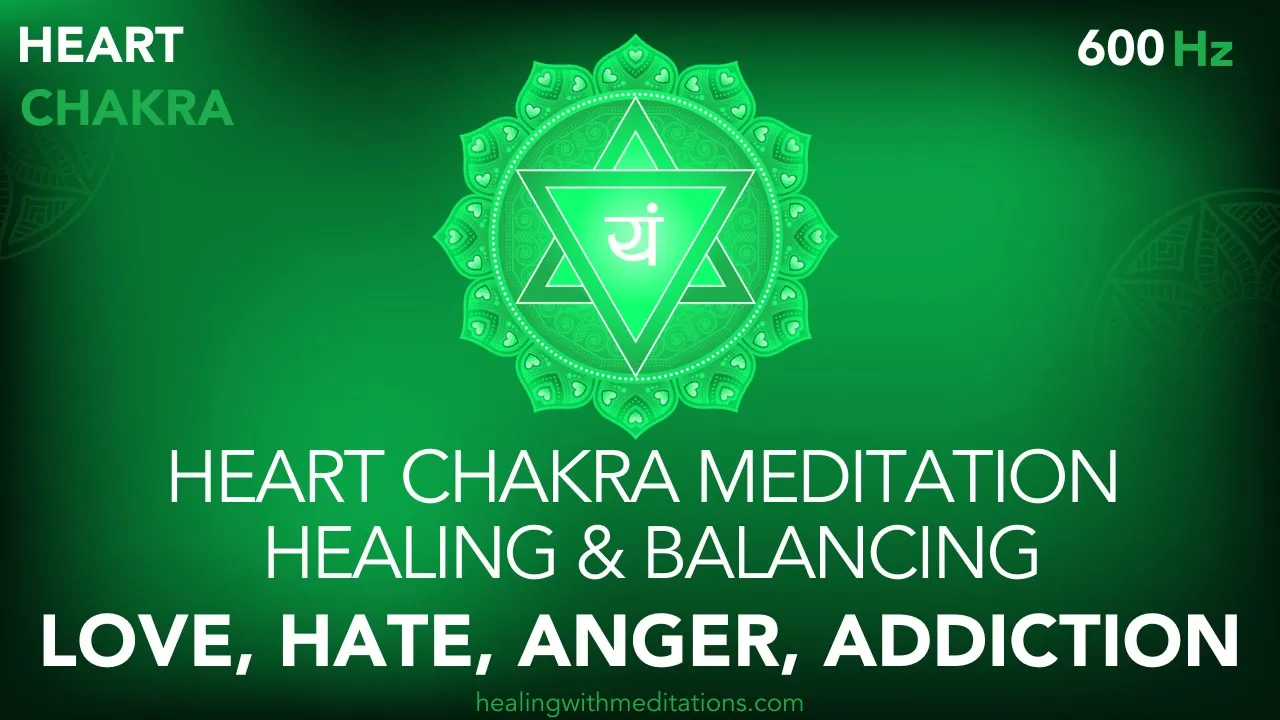
My Heart Chakra is balancing, opening and healing with miraculous frequency.... Love, Hate, Anger, Addiction are balancing in my life. Anahata balancing and opening
In this article
Embarking on a journey of Heart Chakra healing is essential for anyone seeking to cultivate profound emotional balance, foster deeper connections, and unlock unconditional love. This comprehensive guide will illuminate the path to harmonizing your Anahata chakra, offering practical techniques and expert insights to transform feelings of anger, hate, and addiction into a vibrant state of compassion and well-being. Discover how meditation, affirmations, and ancient wisdom can help you balance emotions and embrace a life filled with authentic joy.
What the evidence shows — and what it does not. Music and binaural beats do have measurable effects: controlled studies report reduced anxiety and lower perceived pain, alongside changes in EEG activity during listening. Those results come from small and varied studies, so treat them as promising rather than settled. What is not supported is the idea that one exact frequency performs one exact biological task. There is no peer-reviewed evidence that 528 Hz repairs DNA, and the “Solfeggio” set was assembled in the late 1990s rather than inherited from medieval chant. Choose a tone because the sound suits you and helps you settle — that part is real — not because a number is doing something measurable to your cells.
Play this while you read
Understanding the Heart Chakra: Anahata, The Seat of Compassion
At the very core of our being, nestled in the center of our chest, lies the Heart Chakra, known in Sanskrit as Anahata. This fourth primary chakra serves as the vital energy hub governing our capacity for love, compassion, joy, and emotional connection. Its element is air, symbolizing freedom and expansion, while its colors are vibrant green and soft pink, representing growth, healing, and unconditional love. A balanced Heart Chakra is fundamental for our emotional well-being, influencing not just how we give and receive love, but also our ability to forgive, empathize, and form harmonious relationships.
When our Anahata is open and flowing, we experience a profound sense of interconnectedness with ourselves, others, and the world around us. We naturally extend kindness, feel gratitude, and navigate life’s challenges with resilience and grace. It’s the energetic center where the physical and spiritual realms converge, acting as a bridge between the lower, more earthly chakras and the higher, spiritual ones. Understanding the meaning of the Heart Chakra is the first step towards harnessing its incredible power for personal transformation.
What is the Anahata Chakra? Location, Element, and Core Functions
The Anahata chakra is situated precisely at the cardiac plexus, encompassing the heart, lungs, and thymus gland. Its location emphasizes its crucial role in our physical and emotional health. As the central of the 7 chakras, it processes experiences related to affection, attachment, grief, and detachment. When this energy center is vibrant, it allows for the free flow of emotions, preventing stagnation and fostering a sense of peace. The element of air associated with Anahata encourages us to breathe deeply, release tension, and embrace freedom, mirroring the expansive nature of love itself.
The Emotional Core: Why Heart Chakra Balance Matters
A balanced Heart Chakra acts as a compass, guiding us towards authentic self-expression and genuine connections. Without this balance, our emotional landscape can become turbulent. We might struggle with trust, experience profound loneliness, or find ourselves constantly seeking external validation. The ability to give and receive love openly, without fear of rejection or betrayal, stems directly from an activated and healthy Anahata. It’s the source of self-love, which is the foundation for all other forms of love in our lives.
Recognizing an Imbalanced Heart Chakra: Symptoms and Effects
Just as a healthy heart circulates life-giving blood, a balanced Heart Chakra circulates emotional vitality. When this crucial energy center becomes blocked or imbalanced, it can manifest in various ways, impacting both our physical health and emotional state. Recognizing these Heart Chakra symptoms is key to beginning the healing process and restoring harmony.
Physical Manifestations of a Blocked Anahata
An imbalanced Anahata can often present with physical ailments related to its energetic sphere. These might include:
- Heart-related conditions such as palpitations, high blood pressure, or angina.
- Respiratory issues like asthma, bronchitis, or frequent chest infections.
- Weakened immune system, leading to susceptibility to illness.
- Upper back and shoulder pain, often linked to carrying emotional burdens.
- Circulatory problems.
While these physical symptoms should always be medically evaluated, understanding their potential energetic roots can complement conventional treatment and offer a holistic path to wellness.
Emotional & Psychological Signs of Imbalance
The emotional and psychological indicators of an unbalanced Heart Chakra are often more pronounced and directly affect our relationships and self-perception. These include:
- Feelings of Hate and Anger: A profound inability to forgive, holding onto grudges, and experiencing persistent resentment.
- Addictive Tendencies: Seeking external sources (substances, relationships, activities) to fill an internal void, leading to unhealthy attachments and dependencies.
- Social Isolation and Loneliness: A fear of intimacy, withdrawing from social connections, and difficulty forming deep bonds.
- Jealousy and Envy: Inability to celebrate the success or happiness of others, feeling threatened by others’ relationships.
- Lack of Empathy: Struggling to understand or share the feelings of another.
- Self-Criticism and Low Self-Esteem: Difficulty loving oneself, constant self-judgment, and a feeling of unworthiness.
- Codependency: Placing others’ needs above one’s own, seeking approval, and sacrificing personal well-being for the sake of a relationship.
When these emotions dominate, they create energetic blockages that prevent the free flow of love and joy, making Heart Chakra healing imperative.
Key Signs of an Imbalanced Heart Chakra: Chronic anger or resentment, difficulty forgiving, jealousy, codependency, social withdrawal, physical ailments like heart conditions or asthma, and a general feeling of emotional numbness or guardedness. These are all signals that your Anahata needs attention and healing.
The Power of Meditation for Heart Chakra Healing
Among the myriad of healing modalities, meditation for Heart Chakra stands out as one of the most effective and profound ways to restore equilibrium. It’s a direct pathway to inner peace, allowing us to quiet the mind, connect with our emotional core, and systematically release blockages. By intentionally focusing on the Anahata, we invite healing energy to flow, promoting a shift from states of anger and fear to compassion and love.
How Meditation Restores Harmony: Mindfulness and Emotional Release
Meditation provides a sacred space for self-reflection and emotional processing. Through mindfulness, we become aware of our thoughts and feelings without judgment, creating a detachment that allows us to observe rather than be consumed by negative emotions. This practice is crucial for balancing emotions, as it enables us to identify the roots of our anger, hate, or addictive patterns. As we sit in stillness, we can consciously direct our breath and awareness to the heart center, envisioning it opening and radiating a warm, green or pink light. This visualization, coupled with focused breathing, helps to dissolve energetic stagnation and promote a sense of emotional fluidity and calm.
Related reading: What mindfulness actually is, and how it lowers stress.
The Role of Specific Frequencies: Exploring 600 Hz
The world of chakra healing often incorporates sound and vibration, leveraging specific frequencies to resonate with and activate particular energy centers. The 600 Hz frequency, as featured in the embedded meditation, is believed to be particularly potent for the Heart Chakra. This sound frequency acts as a catalyst, gently vibrating the heart center and encouraging the release of lower vibrational emotions like hate, anger, and anxiety. Listening to these healing frequencies during meditation can enhance the experience, promoting deeper relaxation and facilitating emotional purification. It’s a non-invasive, yet powerful, tool to recalibrate your energetic system and move towards a state of unconditional love.
Guided Heart Chakra Meditations: A Path to Unconditional Love
For those new to chakra meditation, guided sessions are invaluable. The embedded video offers a wonderful starting point, providing a structured approach to connect with your Anahata. These meditations often involve:
- Visualization: Imagining a green or pink light expanding from your heart.
- Breathing Techniques: Deep, intentional breaths that center your awareness in the chest.
- Affirmations: Repeating positive statements about love, forgiveness, and compassion.
- Sound: Incorporating specific frequencies or gentle music to deepen the meditative state.
Regular practice of Heart Chakra meditation can lead to significant shifts, fostering greater empathy, healing past wounds, and opening your heart to give and receive love more freely. It’s a commitment to self-care that pays dividends in emotional freedom and inner peace.
Practical Techniques to Open and Balance Your Heart Chakra
While meditation is a cornerstone, a holistic approach to Heart Chakra healing involves integrating various practical techniques into your daily life. These practices work synergistically to open the Heart Chakra, release stagnant energy, and cultivate a continuous flow of love and compassion.
Heart Chakra Affirmations: Rewiring Your Beliefs
Affirmations are powerful tools for retraining the subconscious mind and shifting negative thought patterns into positive ones. By consciously repeating statements that resonate with love, self-acceptance, and compassion, you begin to rewire your internal narrative. Here are some potent Heart Chakra affirmations, building upon the wisdom from the original content:
- I am open to giving and receiving love freely.
- I deserve love, joy, and profound happiness.
- I love and accept myself completely, just as I am.
- My heart is filled with compassion for myself and others.
- I release all anger, hate, and resentment, replacing them with forgiveness.
- I am worthy of all the good things life has to offer.
- Love surrounds me, and I radiate love to all beings.
- I choose peace over conflict, and understanding over judgment.
- My heart is balancing, opening, and healing with miraculous frequency.
- I purify all negative thoughts that have caused imbalance in my Heart Chakra.
- I embrace life with peace, honoring my past, present, and future.
Regularly reciting these affirmations, especially during meditation or before sleep, reinforces positive beliefs and strengthens your Heart Chakra’s energetic field.
Integrating Yoga Poses for Anahata Activation
Yoga postures, or asanas, are an excellent way to physically open the Heart Chakra by expanding the chest and promoting energetic flow. Poses that encourage backbending are particularly effective. Consider integrating these into your routine:
- Cobra Pose (Bhujangasana): Opens the chest and strengthens the spine, promoting a sense of courage.
- Camel Pose (Ustrasana): A deep backbend that profoundly opens the heart space, stimulating the thymus gland.
- Fish Pose (Matsyasana): Gently opens the chest and throat, fostering expression and receptivity.
- Bridge Pose (Setu Bandhasana): Stretches the chest, neck, and spine, encouraging emotional release.
Focusing on your breath and intentions during these yoga for chakra practices will amplify their healing effects.
Related reading: Calm yoga music for practice and wind-down.

Healing with Heart Chakra Crystals and Stones
Crystals vibrate at unique frequencies that can support and amplify the body’s natural healing processes. For the Heart Chakra, specific chakra stones are particularly beneficial:
- Rose Quartz: The quintessential stone of unconditional love, compassion, and self-acceptance. It gently opens the heart to healing.
- Green Aventurine: Known as the “stone of opportunity,” it brings comfort, harmony, and diffuse negativity. It’s excellent for emotional healing and growth.
- Rhodonite: A stone of compassion, an emotional balancer that clears away emotional wounds and scars from the past, and nurtures love.
- Emerald: A stone of inspiration and infinite patience, it embodies unity, compassion, and unconditional love.
You can place these Heart Chakra crystals on your chest during meditation, carry them with you, or keep them in your living space to continuously imbue your environment with their loving energy.
Nature Connection & Self-Compassion Practices
Spending time in nature, particularly amongst lush greenery, naturally resonates with the Heart Chakra’s green energy. A walk in a forest, gardening, or simply sitting in a park can be deeply therapeutic, helping to balance emotions and foster a sense of peace. Furthermore, cultivating self-compassion through journaling, gentle self-talk, and setting healthy boundaries are vital steps in Heart Chakra healing. Treat yourself with the same kindness and understanding you would offer a loved one, acknowledging your struggles and celebrating your strengths.
Cultivating Lasting Emotional Balance and Love
Heart Chakra healing is not a one-time event but an ongoing practice of self-awareness and intentional living. To truly cultivate lasting emotional balance and a pervasive sense of love, we must integrate these principles into the fabric of our daily existence. This journey moves us beyond merely addressing symptoms to fostering a profound, enduring transformation.
Forgiveness: Releasing the Past, Embracing the Present
One of the most powerful catalysts for Heart Chakra opening is the act of forgiveness. This extends not only to others who may have wronged us but, crucially, to ourselves. Holding onto resentment, anger, and guilt creates dense energetic blockages within the Anahata, preventing the flow of healing love. Forgiveness is not about condoning harmful actions; it’s about releasing the emotional chains that bind us to the past. It’s a conscious decision to choose peace and move forward, freeing up immense energy for compassion and self-growth. Practice conscious release by visualizing these heavy emotions dissolving from your heart space, replaced by a radiant, warm light.
Nurturing Healthy Relationships: Giving and Receiving Love
A balanced Heart Chakra allows us to engage in relationships that are built on mutual respect, trust, and authentic affection. It enables us to give love freely without expectation and to receive it openly without fear or suspicion. This involves setting healthy boundaries, communicating needs clearly, and cultivating empathy for others’ perspectives. It’s also about recognizing when relationships are no longer serving our highest good and having the courage to release them, making space for more aligned connections. Regularly checking in with your emotional state in relationships helps maintain chakra balance.
The Ripple Effect: From Self-Love to Universal Love
When we commit to Heart Chakra healing, the benefits extend far beyond our personal well-being. A truly open heart radiates love and compassion outwards, influencing our families, communities, and even the collective consciousness. As we cultivate self-love and inner peace, we naturally become agents of positive change, inspiring others and contributing to a more harmonious world. This is the ultimate expression of a fully activated Anahata—a state of universal love that transcends individual boundaries.
Related reading: A self-love meditation for insecurity and shaky confidence.
Beyond the Heart: Connecting to the Other Chakras
While focusing on Heart Chakra healing is paramount for emotional balance, it’s vital to remember that the 7 chakras are an interconnected system. The Anahata acts as the bridge, but its full potential is realized when it’s supported by the grounding of the lower chakras and connected to the expansive awareness of the higher chakras. For instance, a strong Root Chakra (Muladhara) provides a sense of security, allowing the heart to feel safe enough to open. A balanced Solar Plexus Chakra (Manipura) fosters self-worth and confidence, preventing the heart from seeking external validation. Conversely, an open heart makes it easier to express our truth through the Throat Chakra (Vishuddha) and connect with higher wisdom via the Third Eye Chakra (Ajna) and Crown Chakra (Sahasrara). Understanding this intricate dance of chakra energies provides a more holistic path to well-being.
Embarking on Your Healing Journey
The path to Heart Chakra healing is deeply personal and incredibly rewarding. By integrating meditation to balance emotions, practicing heartfelt affirmations, incorporating yoga, utilizing healing crystals, and committing to self-compassion, you are actively choosing a life filled with love, joy, and authentic connection. Remember, consistency is key. Even a few minutes of intentional practice each day can create profound shifts in your energetic field, transforming old patterns of hate, anger, and addiction into a vibrant tapestry of empathy and universal love. Embrace this journey with an open heart, and allow the miracle of the Anahata to unfold within you. Your capacity to give and receive love is limitless, waiting to be fully awakened.
Related reading: How to open and balance all seven chakras.
About this article. This is a guide to a contemplative and symbolic practice, not to medicine. Nothing here is medical, psychological or therapeutic advice, no practice on this page treats or prevents any condition, and none of it replaces care from a qualified professional. If you are living with persistent pain, exhaustion, low mood, anxiety, insomnia or any symptom that worries you, please talk to a doctor — and never stop or change a prescribed medication because of something you read here. If you have epilepsy or a seizure disorder, check with your doctor before using pulsed tones or binaural beats.
Frequently Asked Questions About Heart Chakra Healing
How long does it take to balance the Heart Chakra?
Healing the Heart Chakra is a gradual process that varies for each individual. While some may feel shifts within weeks of consistent practice, for others, it can take months or even years to address deeply ingrained emotional patterns. The key is consistent effort, patience, and self-compassion.
Can an overactive Heart Chakra be problematic?
Yes, an overactive Heart Chakra can also lead to imbalances. Symptoms might include being overly empathetic to the point of emotional exhaustion, codependency, sacrificing personal needs excessively for others, or an inability to set healthy boundaries. Balance involves both opening and integrating the energy.
What other chakras are closely linked to the Heart Chakra?
The Heart Chakra is intrinsically linked to all other chakras. It connects the lower (Root, Sacral, Solar Plexus) with the higher (Throat, Third Eye, Crown). Specifically, a strong Root Chakra provides security, allowing the heart to open, while the Throat Chakra enables the expression of heart-felt truths.
Is Heart Chakra healing only for emotional issues?
While primarily associated with emotional well-being, Heart Chakra healing also has profound impacts on physical health (heart, lungs, immune system) and spiritual growth, fostering a deeper connection to universal love and compassion. It’s a holistic approach to wellness.
What is the significance of the green and pink colors for the Heart Chakra?
Green is traditionally associated with growth, healing, nature, and balance, reflecting the Heart Chakra’s role in nurturing life and fostering harmony. Pink represents unconditional love, tenderness, compassion, and self-love, highlighting the emotional aspects of the Anahata. Both colors symbolize the spectrum of love this chakra embodies.
Read this next
600 Hz Heart Chakra Meditation For Excessive Responsibility
Release excessive responsibility with our 600 Hz Heart Chakra Meditation. Find emotional balance, self-care, a…
13 min readHow To Boost Confidence: 600Hz Heart Chakra Meditation
Boost your confidence with our tailored 600Hz heart chakra meditation. Experience the Miracle Chakra Frequency…
14 min readHeart Chakra Healing Guide: 600 Hz Forgiveness Meditation
Experience transformative healing with our 600 Hz Heart Chakra Meditation. Promote forgiveness, release past h…
13 min read