How Meditation Boosts Confidence & Overcomes Insecurity
Boost your self-confidence with the power of the 432Hz Root Chakra Frequency. Join us today and begin your journey towards overcoming insecurities and embracing your true self.
In this article
Do you struggle with self-doubt, constantly questioning your worth, or feeling held back by nagging insecurity? This comprehensive guide reveals how meditation boosts confidence and empowers you to overcome these deeply ingrained patterns, offering a clear path to greater self-love, emotional stability, and an unshakeable sense of self. By diving into practical techniques and understanding the profound benefits of a consistent meditation practice, you’ll unlock your innate capacity for resilience and self-assurance.
What the evidence shows — and what it does not. Music and binaural beats do have measurable effects: controlled studies report reduced anxiety and lower perceived pain, alongside changes in EEG activity during listening. Those results come from small and varied studies, so treat them as promising rather than settled. What is not supported is the idea that one exact frequency performs one exact biological task. There is no peer-reviewed evidence that 528 Hz repairs DNA, and the “Solfeggio” set was assembled in the late 1990s rather than inherited from medieval chant. Choose a tone because the sound suits you and helps you settle — that part is real — not because a number is doing something measurable to your cells.
Play this while you read
The Core Connection: How Meditation Builds Unshakeable Confidence
In a world that constantly bombards us with ideals of perfection, it’s easy to fall prey to insecurity and self-doubt. Many of us quietly carry the burden of feeling not good enough, leading to anxiety, stress, and a reluctance to pursue our true potential. But what if there was a powerful, accessible tool that could fundamentally shift this internal narrative, helping you build genuine confidence from the inside out? That tool is meditation. Through consistent meditation techniques, you begin to dismantle the mental habits that fuel insecurity, replacing them with self-awareness, acceptance, and a profound sense of inner stability.
Did you know? Studies show that regular meditation can increase gray matter in brain regions associated with self-awareness, compassion, and introspection, directly supporting the development of confidence and resilience.
Understanding the Roots of Insecurity and Self-Doubt
Before we can cultivate confidence, it’s crucial to understand where insecurity stems from. Often, it’s a product of negative self-talk, past experiences, societal comparisons, and an overidentification with our thoughts and emotions. We internalize criticisms, perceive failures as personal flaws, and constantly seek external validation. This cycle leaves us feeling vulnerable and incapable. Meditation offers a way to observe these patterns without judgment, creating a crucial space between stimulus and response. It teaches us that our thoughts are not always facts, and our emotions, while valid, do not define our entire being. This detachment is the first step towards reclaiming our power and fostering emotional stability.
The Scientific Basis: Brain Changes & Neuroplasticity
The transformative power of meditation isn’t just anecdotal; it’s backed by neuroscience. Research demonstrates that meditation practices can physically alter the brain through neuroplasticity. The amygdala, often called the brain’s “fear center,” tends to shrink in regular meditators, reducing reactivity to stress and fear-inducing stimuli. Simultaneously, areas of the prefrontal cortex, responsible for executive functions like decision-making, planning, and self-regulation, show increased activity and thickness. This means you develop a greater capacity to respond thoughtfully rather than react impulsively, leading to improved mental health and a stronger sense of self-assurance. This neurological remodeling directly translates into a palpable boost in your daily confidence and ability to manage challenges.
Foundational Meditation Techniques for Boosting Self-Esteem
To truly build confidence and overcome insecurity, it’s helpful to explore various meditation techniques. While the ultimate goal is similar – to cultivate inner peace and self-love – different approaches resonate with different individuals. From mindfulness meditation to transcendental meditation, each practice offers a unique pathway to a more resilient and self-assured you.
Mindfulness Meditation: Embracing the Present Moment
Mindfulness meditation is perhaps one of the most widely practiced and scientifically validated forms of meditation. It involves paying attention to the present moment without judgment. When you practice mindfulness, you observe your thoughts, feelings, bodily sensations, and the surrounding environment with a gentle, curious awareness. This practice helps you detach from the incessant chatter of the mind, particularly the critical voices that fuel self-doubt and anxiety. By learning to simply *observe* these thoughts rather than getting entangled in them, you realize they are transient, not fundamental truths about who you are. This detachment is incredibly liberating, fostering a sense of inner freedom and self-acceptance.
* Body Scan Meditation for Self-Awareness: A key component of Mindfulness-Based Stress Reduction (MBSR), the body scan involves systematically bringing awareness to different parts of your body. This practice grounds you in the present, reconnects you with your physical self, and helps release tension. For those grappling with body image insecurity, it’s a powerful tool to cultivate a more compassionate and accepting relationship with their physical form.
* Breath Awareness for Grounding: Simply focusing on the sensation of your breath – the inhale, the exhale, the rise and fall of your chest or abdomen – is a fundamental mindfulness meditation technique. It acts as an anchor, bringing you back to the present whenever your mind wanders into worries about the past or future. This constant return to the breath builds mental muscle, improving focus and reducing the mental clutter that often exacerbates insecurity.
Transcendental Meditation: Cultivating Inner Peace & Self-Acceptance
Transcendental Meditation (TM) is a specific form of silent mantra meditation that allows the mind to settle inward, transcending thought to experience a state of pure awareness. This deep state of rest, physiologically deeper than sleep, helps to release accumulated stress and fatigue, which are major contributors to anxiety and insecurity. Regular TM practice is associated with significant reductions in stress hormones, improved brain function, and enhanced emotional stability. By accessing this profound state of inner quiet, individuals often report feeling more centered, resilient, and connected to their authentic self, naturally leading to greater self-confidence.
Loving-Kindness (Metta) Meditation: Fostering Self-Love
While mindfulness and TM build a foundation, Loving-Kindness Meditation (Metta) directly targets the heart of self-doubt and insecurity: the lack of self-love and acceptance. This practice involves cultivating feelings of warmth, care, and kindness towards oneself, and then extending these feelings to others. By repeating phrases like “May I be happy, May I be well, May I be free from suffering,” you actively reprogram your inner dialogue, countering the harsh self-criticism that erodes confidence. Regularly showering yourself with compassion through Metta can significantly improve your relationship with yourself, making you less dependent on external validation and bolstering your innate sense of worth.
Practice Tip: Start with just 5-10 minutes of Loving-Kindness meditation daily. Focus on sending kindness to yourself, then a loved one, a neutral person, a difficult person, and finally, all beings. This systematic expansion of compassion is profoundly healing.
Targeted Approaches: Meditations for Specific Insecurities
Meditation is not a one-size-fits-all solution; its power lies in its adaptability. By understanding the specific nature of your insecurity, you can select or adapt meditation techniques to address those particular pain points, accelerating your journey toward genuine self-assurance.
Overcoming Body Image Insecurity with Mindful Self-Compassion
In an image-obsessed culture, body image insecurity is rampant. Many people develop a fraught relationship with their bodies, leading to intense self-doubt and sometimes even physical and mental health issues. Meditation, particularly mindful self-compassion, offers a radical antidote. Instead of battling your perceived flaws, you learn to approach your body with kindness and acceptance. Practices like the body scan help you re-inhabit your physical form, noticing sensations without judgment. Paired with affirmations of self-love and loving-kindness meditation directed specifically at your body, you can begin to dismantle years of negative conditioning. This shift from criticism to compassion is vital for cultivating a healthy, confident body image.
Addressing Relationship Insecurities Through Awareness
Insecurities in relationships can manifest as clinginess, jealousy, excessive need for reassurance, or pushing loved ones away. These often stem from past wounds or an underlying fear of abandonment. Meditation helps by fostering emotional stability and reducing anxiety. When you feel secure within yourself, you project that security outward. Mindfulness can help you observe patterns of emotional reactivity in relationships, allowing you to respond from a place of calm rather than fear. Practicing Metta meditation for others can also improve empathy and reduce attachment anxiety, leading to healthier, more confident interactions. You learn to trust your own worth, rather than seeking it solely from your partner.
Calming the Inner Critic: Meditation for Anxiety & Self-Doubt
The inner critic is a relentless voice that undermines our every move, fueling anxiety and self-doubt. It thrives on comparison, fear of failure, and a constant need for external validation. Meditation acts as a powerful disruptor to this cycle. By developing awareness, you learn to identify the inner critic’s voice as just a thought, not an absolute truth. Techniques like observing thoughts as “clouds passing in the sky” or using a mantra can create distance from these negative narratives. This process empowers you to choose which thoughts you engage with, gradually weakening the critic’s hold and replacing it with a more compassionate, self-assured inner dialogue.
Root Chakra Meditation: Grounding for Core Security
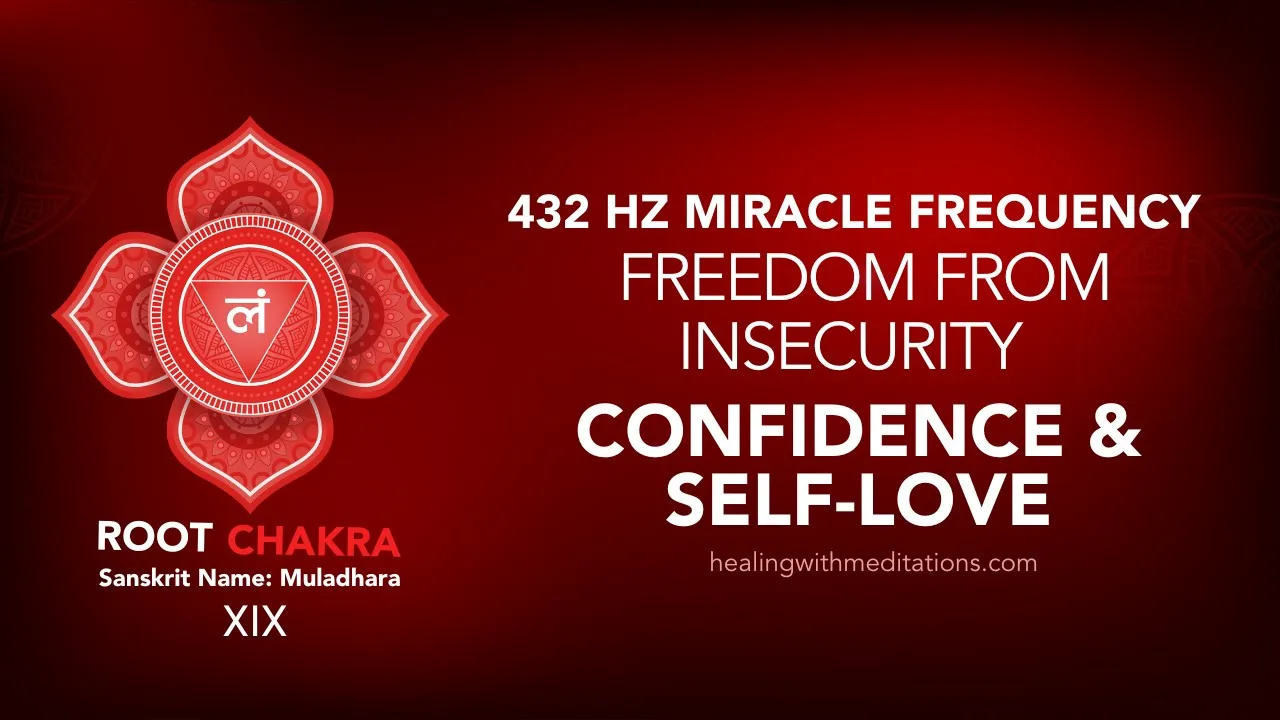
Focusing on the Root Chakra (Muladhara) is particularly potent for overcoming deep-seated insecurity. Located at the base of the spine, the Root Chakra is associated with our sense of safety, stability, and fundamental needs. When this chakra is unbalanced, feelings of insecurity, fear, and anxiety can dominate. Root Chakra meditation involves visualization, affirmation, and specific frequencies like 432Hz to activate and balance this energy center. By visualizing a strong, glowing red light at the base of your spine and repeating affirmations of safety and grounding, you can cultivate a profound sense of inner security. The 432Hz “Miracle Root Chakra Frequency” is believed to resonate with natural frequencies, promoting a sense of peace and stability that reinforces your core confidence.
Integrating Meditation into Your Daily Life for Lasting Change
The true power of meditation for confidence doesn’t come from a single session but from consistent, dedicated practice. Making meditation a part of your daily routine transforms it from a temporary fix into a sustainable lifestyle change, embedding self-assurance into your very being.
Setting Up a Consistent Practice: Tips for Beginners
Starting a meditation practice can feel daunting, but even a few minutes a day can yield significant benefits.
1. Start Small: Begin with 5-10 minutes each day. Consistency is more important than duration.
2. Choose a Time: Find a time that works for you – morning, lunch break, or evening – and stick to it.
3. Find a Quiet Space: Create a designated spot free from distractions.
4. Use Guided Meditations: For beginners, guided meditation apps or YouTube videos are invaluable. They provide structure and support.
5. Be Patient & Kind: There will be days your mind is restless. That’s normal. Don’t judge yourself; simply return to your anchor (breath, mantra) gently.
6. Sit Comfortably: Whether on a cushion or a meditation chair, ensure your posture is alert yet relaxed.
The Consistency Formula: Small, regular efforts > infrequent, long sessions. Aim for daily 10-minute mindfulness meditations over weekly hour-long sessions when building a new habit.
Short Meditations for Instant Confidence Boosts
You don’t always need a long session to reap the benefits of meditation. Micro-meditations can be incredibly effective for on-the-spot confidence boosts:
* Three-Breath Reset: Take three deep, slow breaths. On the inhale, imagine breathing in confidence and calm. On the exhale, release insecurity and tension.
* Affirmation Pause: When you feel self-doubt creeping in, pause, close your eyes (if possible), and silently repeat a powerful affirmation like “I am capable” or “I trust my inner wisdom” several times.
* Mindful Moment: Before a challenging task or conversation, take a minute to simply observe your surroundings, listen to sounds, and feel your feet on the ground. This anchors you in the present and provides a quick burst of focus and calm.
Complementary Practices: Affirmations & Journaling
While meditation directly trains the mind, combining it with complementary practices can accelerate your journey to self-assurance. Affirmations are positive statements that, when repeated regularly, can reprogram subconscious beliefs. After your meditation practice, sit quietly and repeat affirmations that speak to your desire for confidence and freedom from insecurity.
Here are some powerful affirmations for confidence and self-love:
- I accept my own worth, and my confidence grows with every passing day.
- I trust my intuition and always make wise decisions aligned with my highest good.
- I trust myself implicitly and embrace life with an open heart.
- I am safe, secure, and deeply appreciated for who I am.
- I feel more confident, powerful, and successful in every aspect of my life.
- I am fully confident in everything I do and every step I take.
- I am pure energy, and confidence is my inherent nature.
- I trust the beautiful journey my life has given me, knowing I am supported.
- Confidence envelops my whole being, radiating from within.
- I release all erroneous thoughts and blockages related to insecurity.
- I choose to fill any empty places with love, light, and unwavering self-belief.
*I am happy, content, and feel completely safe in my own skin.
Journaling is another powerful ally. After meditation, use a journal to note down any insights, emotions, or patterns that arose. This reflection deepens your self-awareness, allowing you to track your progress and identify recurring triggers for insecurity, helping you address them more effectively.
Beyond Confidence: The Holistic Benefits of a Meditation Practice
While our primary focus here is how meditation boosts confidence and conquers insecurity, the ripple effects of a consistent practice extend far beyond. It’s a holistic tool for enhanced mental health, physical well-being, and a richer, more fulfilling life.
Enhanced Emotional Stability and Stress Reduction
One of the most immediate and profound benefits of meditation is its ability to foster emotional stability and drastically reduce stress. By training the mind to be present and non-reactive, you develop a greater capacity to navigate life’s inevitable ups and downs without being overwhelmed. The practice lowers cortisol levels (the stress hormone), reduces chronic inflammation, and cultivates a sense of calm resilience. This newfound equilibrium directly contributes to feeling more in control of your emotions, which is a cornerstone of genuine self-assurance.
Improved Focus, Clarity, and Goal Achievement
A mind free from the shackles of insecurity and self-doubt is a mind capable of remarkable focus and clarity. Meditation strengthens your attention span, reduces mind-wandering, and enhances cognitive flexibility. This improved mental acuity translates directly into better decision-making, enhanced creativity, and a more strategic approach to achieving your goals. When you’re not constantly battling inner critics, your energy is freed up to concentrate on what truly matters, paving the way for greater personal and professional success. You move from being a victim of your thoughts to being the conscious director of your life.
Greater Resilience and Overall Mental Well-being
Ultimately, meditation doesn’t just make you confident; it makes you resilient. It equips you with the tools to bounce back from setbacks, learn from challenges, and adapt to change with grace. By cultivating a deep well of inner resources – self-awareness, compassion, and inner peace – you become less reliant on external circumstances for your happiness and sense of worth. This holistic approach to mental health and well-being fosters a profound sense of inner freedom, allowing you to embrace life with genuine self-love and an authentic, unshakeable confidence. It’s a journey not just to overcome insecurity, but to truly flourish.
Your Journey to Self-Assurance: A Path Paved with Presence
The path to overcoming insecurity and building profound confidence is a deeply personal one, but meditation offers a universal and scientifically supported map. By integrating these powerful meditation techniques into your daily life – whether it’s mindfulness meditation, transcendental meditation, loving-kindness, or Root Chakra meditation – you embark on a transformative journey. You’ll learn to quiet the critical voices, embrace your authentic self, and cultivate an inner resilience that stands firm against life’s challenges. Remember, every moment of present awareness, every gentle breath, every act of self-compassion builds the foundation for an unshakeable sense of self-worth. Start your journey today, and discover the incredible confidence that lies within you.
About this article. This is a guide to a contemplative and symbolic practice, not to medicine. Nothing here is medical, psychological or therapeutic advice, no practice on this page treats or prevents any condition, and none of it replaces care from a qualified professional. If you are living with persistent pain, exhaustion, low mood, anxiety, insomnia or any symptom that worries you, please talk to a doctor — and never stop or change a prescribed medication because of something you read here. If you have epilepsy or a seizure disorder, check with your doctor before using pulsed tones or binaural beats.
Read this next
432 Hz Root Chakra Meditation: Transform Family Dynamics
Restore family harmony with our 432 Hz root chakra meditation. Transform family dynamics, release negativity,…
17 min read432 Hz Root Chakra Meditation: Build Resilience & Strength
Boost resilience, stability & strength with our 432 Hz Root Chakra Miracle Frequency meditation for life's…
13 min readRoot Chakra Meditation: Boost Career Success With 432 Hz
Discover how 432 Hz Root Chakra meditation can help you find your dream job, enhance career success, and boost…
17 min read