Ocean Sounds for Deep Sleep: A Healing & Relaxing Guide
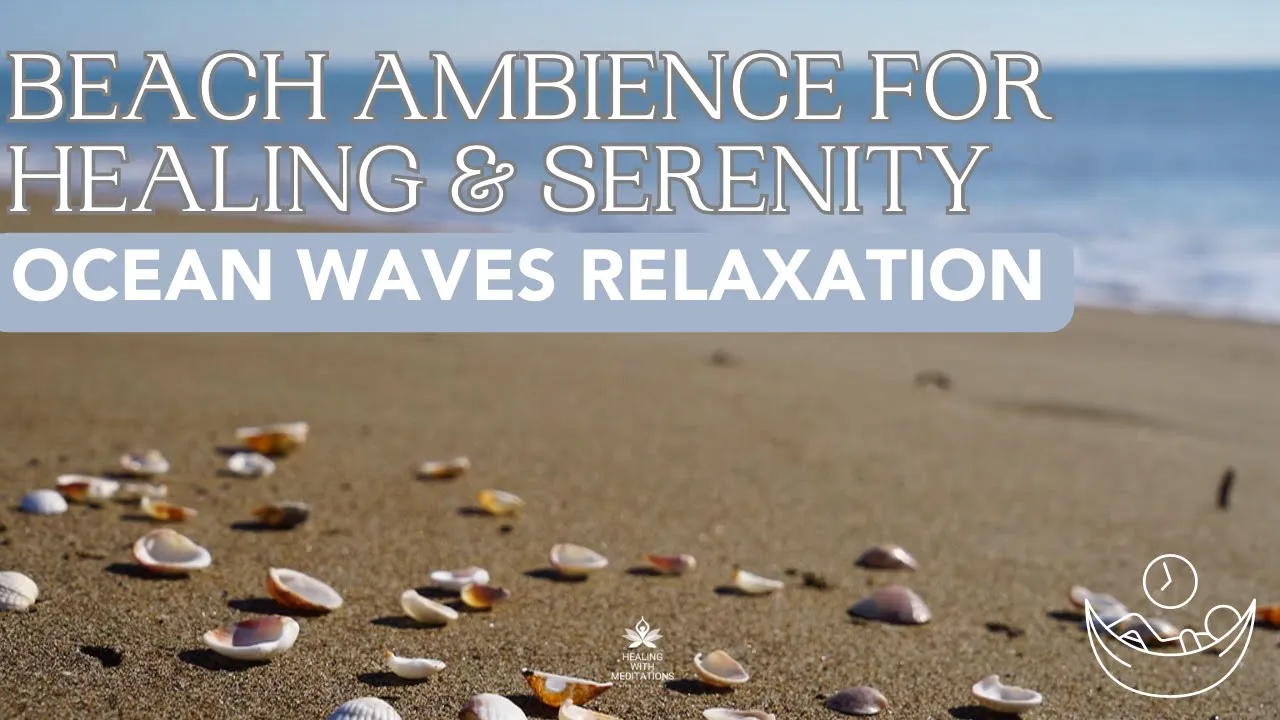
Immerse in Oceanic Dreams: Soothing Sounds for Relaxation, Healing, and Sleep. Unwind, heal, and enjoy restful sleep with our Ambient Music series. Let the tranquil oceanic sounds transport you to a realm of serenity in Part 1 of your journey.
In this article
Discover how ocean sounds for deep sleep can revolutionize your nights and soothe your soul. This comprehensive guide, crafted by an expert in sound therapy and sleep science, delves into the profound healing and relaxing power of the sea, offering actionable insights and evidence-based strategies to help you achieve truly restorative rest. Prepare to unlock a natural pathway to tranquility, reducing stress and enhancing your overall well-being.
The Science of Serenity: How Ocean Sounds Induce Deep Sleep
Have you ever wondered why the gentle lapping of waves can instantly calm your mind? It’s not just a feeling; there’s a fascinating science behind how ocean sounds promote profound relaxation and deep sleep. Our brains are highly susceptible to auditory stimuli, and the rhythmic, non-threatening nature of the sea creates an optimal environment for rest.
Play this while you read
The key lies in how our auditory system processes these sounds. Unlike jarring noises that trigger our fight-or-flight response, the consistent, predictable pattern of ocean waves is perceived as “non-threatening” by our primitive brain. This allows our sympathetic nervous system, responsible for stress responses, to quiet down, giving way to the parasympathetic nervous system, which governs “rest and digest.” The result? A natural decrease in heart rate, muscle tension, and blood pressure – all precursors to a peaceful slumber.
Furthermore, ocean sounds often fall into a category akin to “pink noise.” While white noise contains all frequencies at equal intensity, pink noise has higher frequencies that are less intense, mimicking many natural phenomena like rainfall or, indeed, ocean waves. Research suggests that pink noise, and by extension, well-recorded relaxing ocean sounds, can synchronize brainwave activity, particularly slow-wave sleep. This synchronization is crucial for consolidating memories, repairing tissues, and releasing hormones vital for health. By encouraging these deeper brainwave states, ocean sounds don’t just help you fall asleep; they enhance the *quality* of your sleep, leading to more restorative rest.
Did You Know? The consistent, natural rhythm of ocean waves helps mask sudden, disruptive noises, turning your bedroom into an acoustic sanctuary. This “sound masking” is a powerful tool against urban clamor or a noisy household, facilitating uninterrupted sleep cycles.
Beyond the purely physiological, there’s a psychological component. Many people associate the ocean with holidays, freedom, and tranquility. Tapping into these positive associations creates a mental landscape of peace, further aiding relaxation.
Beyond the Bedtime: Healing & Relaxation with Oceanic Acoustics
While ocean sounds for sleep are undeniably powerful, their benefits extend far beyond the bedroom. The healing sounds of the sea offer a versatile tool for enhancing daily well-being, reducing stress, and fostering a sense of inner peace. Incorporating these natural soundscapes into various aspects of your life can unlock profound therapeutic advantages.
Stress and Anxiety Reduction: A Natural Antidote
In our fast-paced world, stress and anxiety are rampant. The continuous, rhythmic flow of ocean waves acts as a natural tranquilizer. Listening to these sounds can lower cortisol levels, the primary stress hormone, and activate the parasympathetic nervous system, inducing a state of calm. This helps to quiet the mind, break the cycle of anxious thoughts, and promote a feeling of safety and groundedness. Many individuals report feeling a noticeable reduction in their daily stress levels by simply incorporating 15-30 minutes of ocean sound listening into their routine.
Enhancing Meditation and Mindfulness Practices
For those who struggle to focus during meditation, sea sounds for mindfulness can be an invaluable aid. The consistent, yet subtly varied, patterns provide an anchor for your attention, preventing your mind from wandering. It’s a gentle guide, allowing you to delve deeper into your practice, achieve a state of presence, and connect more profoundly with your inner self. Whether you’re a seasoned meditator or just starting, the tranquil backdrop of the ocean can elevate your experience.
Improving Focus and Productivity
Counterintuitively, the right kind of background noise can actually boost concentration. For tasks requiring sustained focus, like studying, writing, or creative work, ambient ocean music can create an immersive auditory environment that minimizes distractions from external noises and internal chatter. The non-intrusive nature of the sounds allows your brain to settle into a focused state without being overstimulated, making it an excellent alternative to silence or distracting music.
Emotional Well-being and Mood Elevation
The ocean often evokes positive memories of holidays, peace, and freedom. This psychological association can significantly boost mood. Furthermore, the rhythmic nature of the waves has been observed to have a grounding effect, helping to regulate emotions and promote a sense of stability. It’s a sonic embrace that can lift spirits and instill a sense of hope and renewal.
Finding Your Perfect Wave: Types of Ocean Sounds for Optimal Results
Not all ocean sounds are created equal when it comes to relaxation and deep sleep. The vast and diverse soundscape of the sea offers a spectrum of acoustic experiences. Understanding the nuances can help you choose the perfect relaxing ocean sounds to match your needs and preferences, ensuring the most therapeutic effect.
Gentle Laps vs. Distant Roars: The Spectrum of Intensity
* Gentle Lapping Waves: These are often the most universally calming. Characterized by soft, rhythmic splashes against the shore, they create a very consistent and predictable soundscape. Ideal for light sleepers, meditation, or those seeking subtle background noise for focus. This is often what people mean when they search for “tranquil ocean sounds.”
* Crashing Waves/Distant Roars: More powerful and dynamic, these sounds might feature the distinct crash and receding ebb of larger waves. While still calming for many, the greater intensity can be invigorating for some or too stimulating for others trying to achieve deep sleep. They can be excellent for masking very loud external noises due to their broader frequency range and volume.
* The Ebbing Tide: Focuses on the subtle sounds of water receding and moving over sand or pebbles. This offers a different kind of rhythm, often slower and more drawn out, promoting a very deep sense of tranquility.
Coastal Ambiance: Seagulls, Wind, and the Full Experience
Some recordings incorporate elements beyond just the waves, such as the distant calls of seagulls, the gentle rustle of a sea breeze, or the soft creak of a boat. These contextual sounds can enhance the immersive experience, transporting you mentally to the coastline. However, for insomnia relief ocean sounds, you might want to opt for recordings that primarily focus on the waves themselves, minimizing any sudden or unpredictable elements that could jar you awake. The goal is consistent, predictable sound.
Expert Tip: When selecting your natural sleep aids, pay attention to the sound’s purity. Avoid recordings with obvious loops, digital artifacts, or artificial enhancements. Authenticity ensures your brain perceives the sound as truly natural, maximizing its calming effect.
Underwater Sounds: A Unique Auditory Experience
Less common, but increasingly available, are recordings of underwater ocean sounds. These can feature the subtle crackle of shrimp, the distant hum of marine life, or the muffled flow of currents. This offers a truly unique auditory escape, often described as profoundly serene and almost otherworldly. While not typically sought out for white noise ocean purposes, they can be incredibly effective for specialized meditation or deep relaxation practices.
The key is experimentation. What one person finds incredibly soothing, another might find distracting. Take the time to explore different types of ocean sounds to discover what resonates most effectively with your personal physiological and psychological needs for optimal sound therapy for sleep.
Integrating Ocean Sounds: Your Blueprint for Better Sleep & Wellness
Successfully harnessing the power of ocean sounds for deep sleep and overall well-being requires more than just pressing play. It involves thoughtful integration into your daily and nightly routines, creating an intentional soundscape that supports your goals.
Crafting Your Pre-Sleep Ritual: Maximize Effectiveness
For optimal insomnia relief ocean sounds, timing and environment are crucial.
1. Start Early: Begin listening 30-60 minutes before your intended bedtime. This gives your mind and body ample time to wind down.
2. Optimal Volume: The sound should be present but not intrusive. Aim for a volume that masks external noises without demanding your attention. Too loud, and it can be stimulating; too quiet, and it loses its effectiveness.
3. Speaker Placement: Consider where the sound is coming from. A speaker placed away from your head, simulating a distant source, can be more natural than directly next to your ear. High-quality headphones can also create an immersive experience, especially if you have a noisy partner or environment.
4. Darkness and Temperature: Combine soothing nature sounds with a dark, cool, and comfortable sleep environment. These elements synergistically enhance the calming effect.
Meditation, Yoga, and Mindfulness Sessions
Whether you’re practicing yoga, engaging in a guided meditation, or simply taking a few moments for mindfulness, sea sounds for mindfulness provide an unparalleled backdrop. The consistent ebb and flow offers a focal point without being distracting, helping to deepen your practice. Experiment with different types of ocean recordings – some prefer gentle lapping for deep contemplation, while others find the rhythm of crashing waves invigorating for dynamic yoga flows.
Enhancing Focus for Work and Study
Using ambient ocean music as a background for cognitive tasks can significantly improve concentration. It provides a consistent, unobtrusive sound curtain that helps block out environmental distractions without adding new ones (like lyrics or complex melodies). This can be particularly beneficial for individuals working from home or in shared office spaces. The brain perceives the continuous sound as “unimportant” background, allowing primary focus to shift to the task at hand.
Choosing Your Delivery Method: Devices and Apps
* Dedicated Sound Machines: Often feature high-quality loops and can be set on timers.
* Smart Speakers: Convenient for playing continuous streams from apps or built-in white noise functions.
* Smartphones/Tablets with Apps: Many apps offer a vast library of relaxing ocean sounds, often with customizable mixes.
* High-Quality Headphones: Essential for immersive experiences, especially if you need to block out significant noise. Opt for comfortable, over-ear models for extended use.
Remember, consistency is key. Make ocean sounds for deep sleep a regular part of your routine to fully experience their cumulative healing and relaxing guide benefits.
Considerations & Best Practices for Maximizing Benefits
While ocean sounds for deep sleep are a powerful, natural tool, understanding a few key considerations and best practices can significantly enhance their effectiveness and ensure a safe, sustainable experience.
Individual Preferences Matter
Just as with any sensory input, individual responses to ocean sounds can vary. Some might find the gentle lapping of waves most soothing, while others prefer the more dynamic crash of a powerful surf. It’s crucial to experiment and identify what resonates best with your personal physiology and psychological state. Don’t be afraid to try different types of relaxing ocean sounds until you find your perfect wave. What provides insomnia relief ocean sounds for one person might be too stimulating for another.
Avoiding Over-Reliance and Habituation
While ocean sounds are an excellent natural sleep aid, it’s wise not to become entirely reliant on them. Our bodies and minds are adaptable. Prolonged, continuous exposure to any sound can lead to habituation, where its therapeutic effects diminish over time. Consider using ocean sounds on nights when you particularly need help falling asleep, during periods of stress, or for specific relaxation exercises, rather than every single night without fail. This keeps their power fresh and potent.
Ensuring Safe Listening Volumes
For prolonged use, especially during sleep, it’s paramount to keep the volume at a safe, low level. The goal is a gentle background presence, not a loud auditory assault. Continuous exposure to sounds above 70-80 decibels can lead to hearing damage over time. When using headphones, be especially mindful of the volume. If you can comfortably hold a conversation over the sound, it’s likely at an appropriate level.
When to Consult a Professional
While ocean sounds for deep sleep are highly effective for many, they are not a substitute for professional medical advice, particularly for chronic sleep disorders or severe anxiety. If you consistently struggle with insomnia, experience excessive daytime fatigue, or have significant concerns about your mental health, please consult a healthcare professional. Sound therapy can be a complementary tool, but it’s important to rule out underlying medical conditions that require specialized treatment.
By approaching the use of ocean sounds thoughtfully and intentionally, you can maximize their profound healing and relaxing guide benefits, fostering a deeper connection to nature’s tranquility and achieving the restorative sleep you deserve.
About this article. This is a guide to a contemplative and symbolic practice, not to medicine. Nothing here is medical, psychological or therapeutic advice, no practice on this page treats or prevents any condition, and none of it replaces care from a qualified professional. If you are living with persistent pain, exhaustion, low mood, anxiety, insomnia or any symptom that worries you, please talk to a doctor — and never stop or change a prescribed medication because of something you read here. If you have epilepsy or a seizure disorder, check with your doctor before using pulsed tones or binaural beats.
Read this next
Ocean Waves Ambiance: Healing & Relaxation Methods
Immerse in the tranquil beauty of our Ocean Waves Relaxation Ambiance Video infused with Miracle Healing Energ…
15 min readMeditation Guide: Rain & Waterfall Sounds For Inner Peace
Experience the tranquillity of Rain Sounds Effect for Relaxing - Waterfall Sounds Calm Music for Meditation. L…
16 min readHealing With Music: Campfire Ambience & Piano Relax
Immerse in the soothing campfire ambience paired with relaxing piano music. Unwind and experience healing with…
11 min read