
What Is Kundalini? How To Identify Its Awakening Signs
Kundalini is a subject that almost every individual who is interested in energy and awareness often hears. However, not every individual who hears about Kundalini is knowledgeable about it. It is also one of the most curious subjects. Therefore, what is Kundalini that is very curious for you? How to know when Kundalini awakens? Details such as what is the use of Kundalini energy are with you.

In this article
Have you ever heard whispers of a dormant, powerful energy within, a ‘serpent power’ waiting to awaken and unlock unimaginable potential? Kundalini, a profound concept in ancient spiritual traditions, is precisely that—an intricate life force residing at the base of your spine, poised to ignite deep spiritual transformation. This comprehensive guide will meticulously unravel the mystery of Kundalini, detailing its nature, exploring the various paths to its awakening, and most importantly, equipping you with the knowledge to identify the undeniable signs that this potent energy is stirring within you, offering clarity and empowerment on your spiritual journey.
What is Kundalini? Uncoiling the Serpent Power
In the vast lexicon of spiritual and energetic philosophy, few terms carry as much mystique and transformative promise as Kundalini. Originating from Sanskrit, the word literally translates to “coiled one” or “she who is coiled,” an evocative metaphor for a dormant, serpentine energy believed to lie at the base of the human spine. This isn’t merely a philosophical concept; it’s a profound energetic blueprint for consciousness itself, representing the unused potential for human awareness and spiritual evolution.
Play this while you read
Etymology and Core Concept
The imagery of a coiled serpent often evokes a sense of both latent power and readiness to strike. In the context of Kundalini, this refers to a concentrated pool of psychic energy, often described as a goddess, a divine feminine force, or shakti, slumbering in a three-and-a-half coiled embrace. It represents the static aspect of Prana, or universal life energy, an unmanifested but incredibly potent force waiting for activation. When awakened, this energy is said to ascend, bringing with it a profound shift in perception and experience. Imagine a powerful current, latent but ready to surge through a carefully constructed channel – that’s the essence of this coiled energy.
The Muladhara Chakra: Its Dormant Home
The specific energetic location where Kundalini resides is the Muladhara Chakra, also known as the Root Chakra. Situated at the very base of the spine, between the anus and the genitals, the Muladhara is the foundation of our energetic system, governing our sense of stability, security, and connection to the Earth. It’s our anchor to physical reality. For Kundalini to awaken, this foundational chakra must be sufficiently prepared and balanced, much like ensuring a stable launchpad before firing a rocket. If this base is unstable, the ascent of Kundalini can be chaotic or fraught with difficulty. Therefore, early spiritual practices often focus on strengthening this root.
Chakras, Nadis, and the Energetic Highway
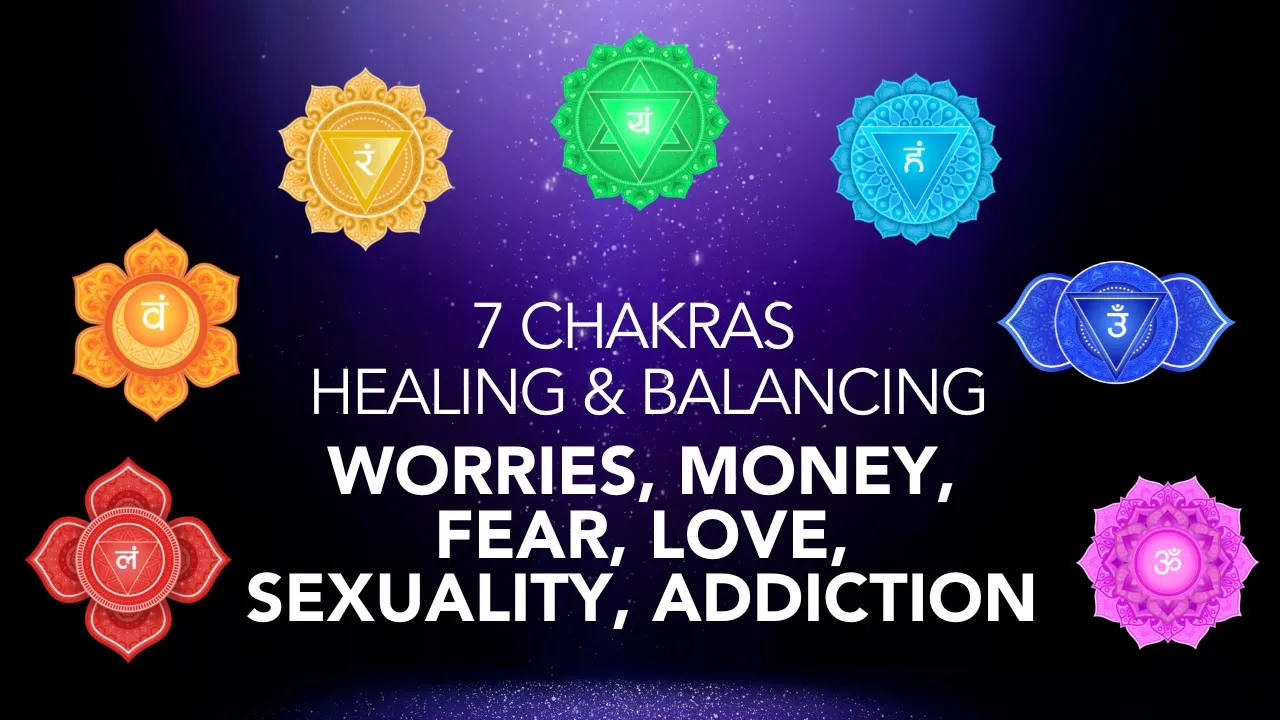
Kundalini is intrinsically linked to the intricate system of chakras and nadis. Chakras are often depicted as spinning wheels of energy located along the spine, from the Muladhara up to the Sahasrara (Crown Chakra) at the top of the head. There are seven primary chakras, each governing different psychological, emotional, and spiritual aspects of our being. The nadis are thousands of subtle energy channels that permeate the body, analogous to nerves or meridians in other systems. Of these, three are most crucial to Kundalini: Ida (left, feminine, lunar), Pingala (right, masculine, solar), and the central channel, the Sushumna Nadi, which runs through the spine. When Kundalini awakens, it typically rises through the Sushumna Nadi, purifying and activating each chakra as it ascends, eventually reaching the crown, symbolizing enlightenment and ultimate union. Think of it as an internal spiritual highway system, with the Sushumna Nadi being the main thoroughfare.
Kundalini in Eastern Philosophy
This powerful energy is not unique to one single tradition but is a cornerstone of various Eastern mystical and yogic philosophies, particularly Tantra and Hatha Yoga. While interpretations and methodologies may vary, the core understanding of Kundalini as a transformative force remains consistent. It represents a pathway to profound self-realization, an accelerated evolutionary process designed to unite individual consciousness with universal consciousness. It’s seen as a divine power within, capable of breaking through limitations and revealing one’s true, boundless nature. Understanding this ancient lineage lends immense authoritativeness to discussions around Kundalini, emphasizing its deep roots in spiritual science.
The Journey of Awakening: How Kundalini Stirs
The idea of awakening a dormant serpent power might sound dramatic, and in many ways, it is. A Kundalini awakening is not merely a fleeting sensation but a profound, often life-altering energetic process. While popular culture sometimes portrays it as an instant, explosive event, the reality is far more nuanced, encompassing both deliberate practices and spontaneous occurrences. It is a journey, not a single destination, fundamentally shifting an individual’s perception and connection to reality.
Intentional Practices: Yoga, Meditation, and Breathwork
For centuries, yogis and spiritual seekers have diligently pursued methods to intentionally awaken Kundalini. These practices are designed to purify the nadis, balance the energy systems, and create a conducive environment for the ascent of the serpent power. Key among these are specific branches of yoga, notably Kundalini Yoga, as taught by Yogi Bhajan, which utilizes a precise combination of asanas (postures), pranayama (breath control), mudras (hand gestures), bandhas (body locks), and mantra chanting. Other forms of yoga, particularly Tantric and Laya Yoga, also aim for this awakening. Regular and disciplined meditation, especially forms that focus on energy awareness and chakra activation, plays a vital role. The intent behind these practices is to gradually and safely stir the dormant energy, allowing it to rise in a controlled and integrated manner. The guidance of an experienced teacher is often emphasized for these deliberate awakenings, ensuring proper technique and support.
Spontaneous Awakenings: Life’s Unforeseen Catalysts
While intentional practices are common, Kundalini can also awaken spontaneously, often triggered by intense life experiences or profound personal shifts. These unintended awakenings are often more challenging to navigate precisely because they are unexpected. Examples include:
- Severe Traumas: Experiencing a major emotional, physical, or psychological trauma can sometimes act as a shock to the system, dislodging dormant energy.
- Major Life Events: Significant milestones such as childbirth, menopause, intense grief (loss of a loved one), divorce, or sudden career changes can create energetic shifts that initiate an awakening. The heightened emotional and physical states associated with these events can act as unexpected catalysts.
- Prolonged Stress or Illness: Chronic stress or battling a severe illness can sometimes push the energetic system to a breaking point, leading to an awakening as the body attempts to heal or rebalance itself.
- Proximity to Awakened Individuals: Being in the energetic field of a highly awakened spiritual teacher or guru can sometimes facilitate an awakening, a phenomenon known as Shaktipat.
Expert Insight: Spontaneous awakenings often present unique challenges. Without a framework of understanding or proper guidance, individuals can mistake these intense energetic shifts for mental or physical illness. This underscores the importance of public awareness about Kundalini to facilitate healthier integration.
The Process of Ascent: From Root to Crown
Regardless of whether the awakening is intentional or spontaneous, the core process involves the Kundalini energy rising from the Muladhara Chakra through the Sushumna Nadi. As it ascends, it interacts with each subsequent chakra, often causing intense physical, emotional, and spiritual phenomena. This process is not always linear; it can be cyclical, with energy rising, receding, and rising again. Each chakra purification can feel like an emotional or energetic release, clearing blockages and expanding consciousness. The ultimate goal, as revered by meditative yogis, is for the Kundalini to reach the Sahasrara Chakra, the crown of the head, leading to a state of profound enlightenment, oneness, and liberation. This complete circuit of energy is seen as the pinnacle of human spiritual potential.
Identifying the Signs: How to Know When Kundalini Awakens
One of the most pressing questions for anyone exploring this topic is: How to know when Kundalini awakens? The signs of a Kundalini awakening are incredibly varied and can manifest across physical, emotional, mental, and spiritual dimensions. It’s crucial to understand that no two awakenings are identical, and symptoms can range from subtle to intensely dramatic. Recognizing these signs is vital for understanding what is happening within your body and mind, and for seeking appropriate support if needed. These aren’t just arbitrary feelings; they are indicators of a profound internal energetic reorganization.
Physical Manifestations: From Twitches to Temperature Shifts
The physical body often serves as the primary canvas for Kundalini’s initial stirring. These symptoms can be startling and, at times, uncomfortable, as the energy purifies and reconfigures the subtle energy channels. Common physical signs include:
- Muscle twitches, cramps, or spasms: Often involuntary, these can occur anywhere in the body, but are frequently felt along the spine or in the limbs.
- Intense sensations of warmth, coolness, or tingling: Energy flows can create localized heat or cold, pins and needles, vibration, or a sensation of electricity circulating through the body. Some describe it as an inner current.
- Changes in eating and sleeping patterns: Appetite might decrease or increase dramatically, and sleep can become erratic, with periods of intense insomnia or profound fatigue. Dreams may become unusually vivid.
- Headaches or pressure in the skull: Especially in the forehead (Ajna Chakra) or crown (Sahasrara Chakra), indicating energy moving upwards.
- Digestive system problems: Kundalini can strongly impact the gut, leading to temporary issues like nausea, bloating, or altered bowel habits as the Solar Plexus (Manipura Chakra) is activated.
- Rapid heartbeat and chest pains: Can be alarming, often felt around the Heart Chakra (Anahata), but usually without underlying cardiac issues.
- Numbness or pain in the arms and legs: As energy moves through the peripheral nadis.
- Involuntary bodily movements (Kriyas): These can range from subtle tremors, shaking, or swaying to more pronounced movements like spontaneous yoga postures, hand gestures (mudras), or vocalizations. These are the body’s way of releasing blockages.
- Changes in sexual desires: Either a significant increase or decrease, as the Sacral Chakra (Svadhisthana) is directly impacted.
Emotional & Psychological Transformations: A Shifting Inner Landscape
As Kundalini rises, it often brings suppressed emotions and past traumas to the surface for processing and release. This can lead to a period of intense emotional volatility and psychological upheaval. It’s like an energetic cleansing, bringing everything into conscious awareness. Signs include:
- Sudden emotional outbursts: Episodes of intense sadness, anger, joy, or fear that seem to appear without immediate external cause.
- Rapid mood changes: Swinging between extremes, often feeling overwhelmed by emotions.
- Mental confusion; difficulty concentrating: The mind can feel overstimulated, making it hard to focus or think clearly.
- Profound periods of depression or anxiety: As old wounds surface, feelings of existential dread or panic can be prominent.
- Increased introspection and self-awareness: A sudden urge to understand oneself deeply, questioning old beliefs and patterns.
- An increase in creativity: New ideas, artistic impulses, and innovative solutions may surge forward.
Spiritual & Psychic Phenomena: Beyond the Mundane
Beyond the physical and emotional, Kundalini awakening often ushers in a new realm of spiritual and psychic experiences, expanding the boundaries of perceived reality. These are some of the most distinctive markers of this energetic shift:
- Altered states of consciousness: Experiencing moments of profound clarity, oneness, timelessness, or feeling disconnected from ordinary reality.
- Hearing inner voice or voices: This could be intuitive guidance, distinct voices, or auditory phenomena like buzzing or ringing.
- The onset of psychic experiences: This might include heightened intuition, clairvoyance (seeing), clairaudience (hearing), clairsentience (feeling), precognition (knowing future events), or vivid prophetic dreams.
- Profound spiritual insights: Suddenly understanding complex spiritual truths or having direct experiences of divine energy.
- A strong feeling of connection: An intense sense of unity with nature, other people, or the universe.
- Increased understanding and precision: A heightened ability to perceive subtle energies or discern truth.
Important Note: While these symptoms can be indicative of Kundalini, it is crucial to consult a medical professional to rule out any underlying physical or psychological conditions. Many of these symptoms can overlap with other health issues.
Navigating the Intensity: Varied Experiences
It’s vital to reiterate that the intensity and manifestation of these signs vary immensely. Some individuals experience a slow, gentle unfolding, while others face an intense, abrupt awakening often referred to as a “Kundalini crisis” or “spiritual emergency.” The duration can also differ, ranging from fleeting moments to years of ongoing integration. Patience, self-compassion, and an open mind are essential during this period of profound transformation. Understanding that these experiences are part of a natural energetic process, rather than a malfunction, is key to navigating them effectively. This knowledge provides a framework for normalizing what might otherwise feel deeply unsettling.
The Profound Benefits of an Awakened Kundalini
While the journey of awakening can be intense and challenging, the ultimate rewards of an integrated Kundalini awakening are vast and deeply transformative. This process doesn’t just change you; it fundamentally rewires your entire being, opening doors to expanded consciousness and a life lived with greater purpose and authenticity. The benefits extend far beyond mere physical sensations, touching the very core of your spiritual and existential experience.
Enhanced Awareness and Inner Clarity
One of the most immediate and profound benefits is a dramatic increase in awareness and mindfulness. Individuals often report feeling more present, more attuned to their surroundings, and possessing a clearer mind. The energetic “fog” lifts, allowing for a sharper perception of reality, both internal and external. This heightened state of awareness promotes a deeper understanding of the moment, facilitating a more conscious and intentional way of living. It’s like upgrading your internal operating system, allowing you to process information with greater bandwidth and discernment.
Deepened Self-Discovery and Spiritual Growth
Kundalini’s ascent through the chakras is a journey of self-discovery. As each chakra is activated and purified, it brings to light aspects of oneself that were previously unconscious or suppressed. This leads to a profound understanding of one’s true nature, motivations, and purpose. The experience often culminates in a powerful sense of connection with the universe, fostering deep spiritual growth and a realization of one’s place within the cosmic tapestry. It dissolves illusions of separation, revealing the interconnectedness of all life. This journey moves beyond intellectual understanding to direct, experiential wisdom.
Unleashing Creativity and Purpose
Many individuals undergoing a Kundalini awakening report a surge in creativity across various domains. Artistic expression, problem-solving abilities, and innovative thinking often flourish. This is because Kundalini energy, when flowing freely, unlocks new neural pathways and taps into deeper reservoirs of inspiration. Coupled with this is a newfound sense of purpose. Life feels less aimless and more directed, driven by an inner knowing and a desire to contribute meaningfully to the world. It fuels a passion that can redefine one’s career, relationships, and personal mission, offering a powerful antidote to existential wandering.
Holistic Well-being and Chakra Harmony
By bringing all the chakras into alignment and full function, Kundalini plays a crucial role in promoting holistic well-being. When the energy centers are balanced and flowing harmoniously, it positively impacts physical health, emotional stability, and mental clarity. It’s not uncommon for chronic ailments to resolve or for individuals to experience increased vitality, resilience, and a profound sense of inner peace. This energetic balance fosters a state where the body, mind, and spirit work in cohesive synergy, leading to a more vibrant and fulfilling life. The entire energetic system acts as a well-tuned orchestra, producing a harmonious symphony of being.
Navigating the Challenges: Risks and Kundalini Crisis
While the benefits of Kundalini awakening are profound, it is equally important to address the potential challenges and difficulties that can arise during this intense energetic process. An unprepared or unsupported awakening can sometimes lead to what is known as a Kundalini crisis or “spiritual emergency,” where the overwhelming nature of the experience can mimic or exacerbate psychological and physical distress. Understanding these potential risks is crucial for a safe and integrated journey, emphasizing the need for respectful preparation and guidance.
Understanding “Spiritual Emergency”
The term “spiritual emergency” was coined by Stanislav and Christina Grof to describe a non-pathological crisis state that can occur during intense spiritual or personal transformation. In the context of Kundalini, this refers to a period where the energetic and psychological changes are so rapid and overwhelming that an individual struggles to integrate them into their existing reality. It’s not a sign of mental illness, but rather a profound crisis of identity and perception, often misinterpreted by conventional medicine or psychology. The individual may feel like they are “losing their mind” or experiencing a breakdown, when in fact, they are undergoing a breakthrough. Recognising this distinction is vital for proper support.
Common Difficulties: Physical and Mental Distress
The very symptoms that herald an awakening can, if intense and prolonged, become sources of significant distress. Physically, individuals may experience chronic pain, debilitating fatigue, digestive issues, or an inability to regulate body temperature. The involuntary movements (kriyas) can be disruptive and alarming. Mentally and emotionally, a Kundalini crisis can manifest as:
- Extreme anxiety and panic attacks: A persistent feeling of dread or being overwhelmed.
- Depression and apathy: Profound sadness, loss of interest, and a sense of meaninglessness.
- Psychosis-like states: Experiencing hallucinations, delusions, or a complete detachment from reality, which can be particularly frightening.
- Intense emotional swings: Rapid shifts between euphoria and despair, making daily life incredibly challenging.
- Social withdrawal: A feeling of being profoundly different from others, leading to isolation.
These experiences, while part of the process for some, require careful navigation and sometimes professional intervention, especially if they severely impair daily functioning.
The Importance of Preparation and Guidance
The historical emphasis on qualified gurus and teachers in Kundalini traditions is not arbitrary; it stems from a deep understanding of these potential challenges. Proper preparation, including ethical conduct (Yamas and Niyamas), physical purification, and mental discipline, creates a stable foundation for the energy’s ascent. When a Kundalini awakening is intentional and guided, the practitioner learns techniques to manage the energy, integrate experiences, and ground themselves. Without this, especially in spontaneous awakenings, the individual can feel utterly lost and overwhelmed. A guide can help differentiate between genuine spiritual phenomena and psychological distress, offering tools and reassurance.
Integrating Kundalini Energy: A Path to Harmony
Awakening Kundalini is only half the journey; the other, equally critical half, is learning how to integrate this powerful energy into everyday life. Integration means stabilizing the profound changes, understanding the new perceptions, and harmonizing the awakened energy with one’s physical, emotional, and mental self. It’s about embodying the transformation, not just experiencing it. A well-integrated awakening leads to lasting peace and expanded consciousness, rather than ongoing distress.
Seeking Qualified Mentorship
Perhaps the most important aspect of integration is seeking guidance from a qualified and experienced teacher, guru, or spiritual mentor. Such individuals have typically navigated their own Kundalini awakenings and possess the wisdom and knowledge to support others. They can provide personalized advice, teach specific practices for grounding and energy management, and help interpret the often confusing symptoms. A good mentor emphasizes safety, patience, and compassion, helping the individual distinguish between genuine energetic shifts and potential psychological issues requiring different support. This personal connection is paramount for navigating such a complex journey.
Grounding Techniques and Self-Care
During an active Kundalini awakening, energy can feel unmoored or overwhelming. Grounding techniques are essential for bringing this heightened energy back into the body and connecting it with the Earth. Simple practices like spending time in nature, walking barefoot, gardening, eating wholesome and earthy foods, and engaging in physical activity can be incredibly helpful. Furthermore, consistent self-care practices – adequate rest, gentle movement, mindful breathing, and creative expression – help to stabilize the system. Creating a daily routine that supports inner balance is key to managing the intensity and integrating the energy effectively. It’s about building a strong container for the powerful spiritual current.
Lifestyle Adjustments for Energetic Balance
An awakened Kundalini often necessitates certain lifestyle adjustments. This might involve a re-evaluation of diet, moving towards foods that are more nourishing and less stimulating. It could also mean reconsidering relationships, environments, and activities that drain energy or cause distress. Simplifying one’s life, reducing external stimuli, and cultivating peaceful surroundings can significantly aid the integration process. The goal is to create an external environment that mirrors and supports the internal energetic shifts, fostering a cohesive and harmonious existence. Your external world becomes a reflection of your internal journey.
When to Seek Professional Support
While Kundalini awakening is a spiritual process, its intense manifestations can sometimes overlap with symptoms of mental health conditions. If the distress becomes unmanageable, if one experiences prolonged periods of psychosis-like states, severe depression, unshakeable anxiety, or an inability to function in daily life, seeking professional psychological or psychiatric support is not a sign of failure but an act of responsible self-care. It’s important to find professionals who are open to understanding spiritual emergencies, as conventional approaches might pathologize spiritual experiences. Organizations specializing in transpersonal psychology or spiritual emergence networks can often provide referrals to knowledgeable practitioners.
Conclusion: Embracing the Transformative Power of Kundalini
The journey of understanding and experiencing Kundalini awakening is one of the most profound spiritual paths an individual can embark upon. It is a testament to the immense, untapped potential residing within each of us—a dormant serpent power ready to uncoil and usher in an era of unprecedented awareness, clarity, and connection. While the signs of its awakening can be myriad, from subtle physical sensations to overwhelming psychic phenomena, recognizing them is the first step towards conscious engagement with this transformative energy. By approaching Kundalini with respect, informed knowledge, and a commitment to careful integration, you not only open yourself to a richer, more purposeful existence but also contribute to a deeper understanding of human consciousness itself. Embrace this sacred inner fire, for it holds the key to unlocking your limitless potential and experiencing a life imbued with profound spiritual grace.
About this article. This is written for general interest and reflection. Nothing here is medical, psychological, legal or financial advice, and it is not a substitute for guidance from a qualified professional.
Read this next
What Are Chakras? A Complete Guide To The 7 Chakras
Ever wondered about the invisible energies that govern your well-being?
16 min readSpiritual Rituals: Unleash Your Inner Power & Harmony
Discover the profound world of rituals from spiritual practices to everyday habits. Explore the meaning behind…
17 min readWhat Is Zen Meditation? A Guide to Its Types & Benefits
Embark on a journey of mindfulness with Zen Meditation. Explore Zen Breathing, Zazen, Kinhin, Koan Study, and…
14 min read

It was very useful information. Thanks for details.