Love Language Quiz: Discover Your Primary Connection Style
Discover your love language! Learn about the 5 love languages and how understanding them can strengthen your relationships and deepen emotional connections.
In this article
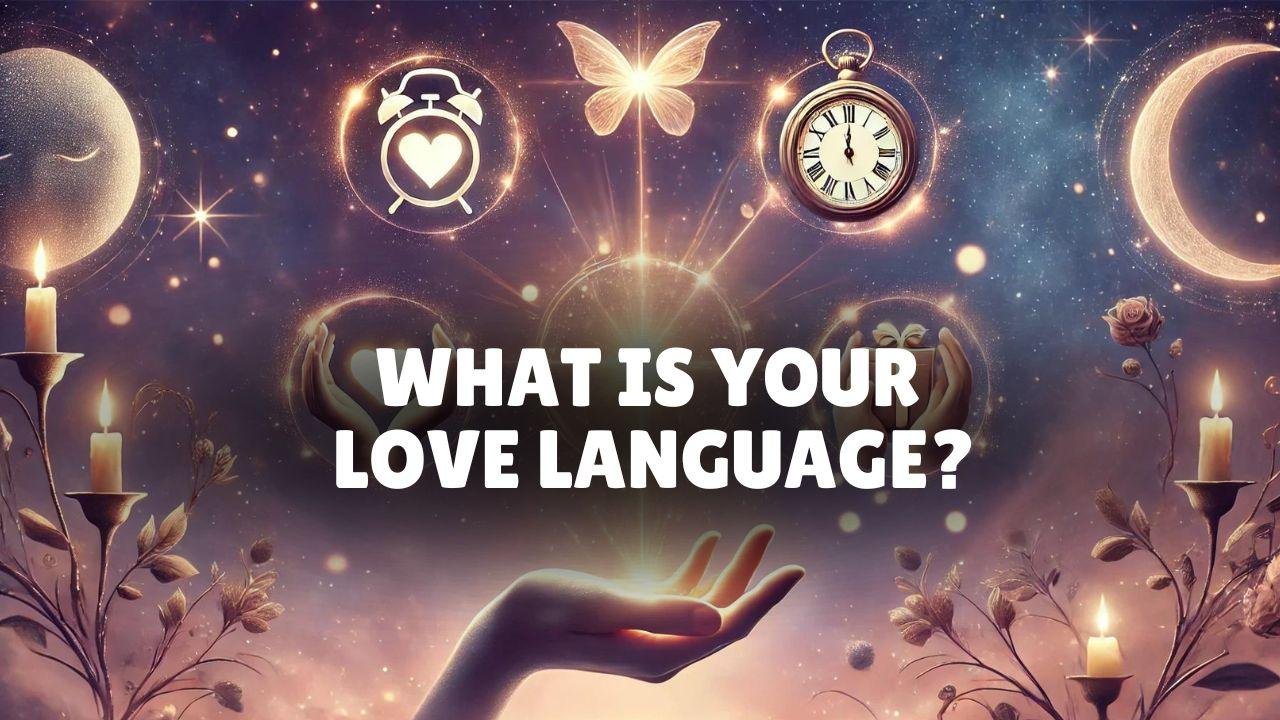
What is Your Love Language?
Answer these 6 questions to discover your primary love language and how to connect better with others 💘
Your Primary Love Language is:
Welcome to the ultimate guide to understanding the love languages, a profound framework for enriching every relationship in your life. This comprehensive article, featuring an interactive love language quiz, will help you effortlessly discover your primary connection style and that of your loved ones, empowering you to communicate affection in the most meaningful ways.
Ready to uncover your unique blueprint for giving and receiving affection? Take our interactive love language quiz below to pinpoint your primary connection style and begin your journey to more fulfilling relationships.
Unveiling the 5 Love Languages: A Foundational Understanding
The concept of love languages was introduced by Dr. Gary Chapman in his best-selling book, “The 5 Love Languages: The Secret to Love That Lasts.” His groundbreaking theory posits that people express and receive love in five distinct ways. Understanding these “languages” is not merely academic; it’s a powerful tool for fostering deeper connection, reducing misunderstanding, and cultivating more fulfilling relationships—be they romantic, familial, or platonic.
Each individual has a primary love language, the way they naturally express love and how they feel most loved when it is reciprocated. However, it’s also common to have secondary love languages, or to appreciate expressions from all five. The goal isn’t to force yourself or others into a single box, but to gain insight and intentionality in your expressions of affection.
The 5 love languages are: Words of Affirmation, Quality Time, Receiving Gifts, Acts of Service, and Physical Touch. As we delve into each, you’ll begin to recognize patterns in your own experiences and those of the important people in your life.
Deep Dive into Each Love Language
Now, let’s explore each of the five love languages in detail, providing you with a clearer understanding of what each one entails and how to effectively “speak” them.
Words of Affirmation: The Power of Verbal Appreciation
For individuals whose primary love language is Words of Affirmation, verbal expressions of love, appreciation, and encouragement are paramount. Sincere compliments, verbal praise, and heartfelt “I love you” statements make them feel cherished and secure. They thrive on hearing positive remarks about their character, achievements, or even their appearance. These aren’t just empty words; for them, words carry immense weight and reflect genuine emotion.
Key Insight: For those who speak Words of Affirmation, a single genuine compliment can outweigh hours of other forms of affection. Their emotional tank is filled by explicit, verbal declarations of love and esteem.
Examples of Expression:
- Regularly saying “I love you” and meaning it.
- Giving specific compliments like “I really admire your perseverance” or “You handled that challenging situation brilliantly.”
- Writing heartfelt notes, texts, or letters to show affection and appreciation.
- Offering words of encouragement when they’re facing a tough decision or project.
- Publicly acknowledging their strengths or accomplishments.
What to Avoid:
- Harsh criticism, negativity, or dismissive words, which can be deeply wounding.
- A lack of verbal appreciation or praise, which can make them feel unloved or undervalued.
- Insincere compliments that feel forced or superficial.
For those who speak this love language, the key to maintaining a strong relationship is through thoughtful and sincere verbal expressions. Words hold immense meaning for them, and positive, loving affirmations are essential to keeping the relationship emotionally satisfying. Conversely, unkind or thoughtless words can cause deep pain and take a long time to heal. It’s about building them up with your words.
Quality Time: The Gift of Presence
Quality Time is the love language of togetherness and undivided attention. For people who resonate with this love language, spending meaningful time with their loved ones is the ultimate expression of affection. This isn’t just about being in the same room; it’s about being fully present, engaging in focused conversations, making eye contact, and sharing experiences without distractions. Distractions such as phones, TV, or work can feel like barriers to connection for those who value quality time, sending a message that other things are more important than them.
Key Insight: Quality time is about shared focus and presence. It’s not the quantity of time, but the quality of the interaction that truly matters. An hour of undivided attention is more impactful than a day of distracted co-existence.
Examples of Expression:
- Going for walks together, intentionally leaving phones behind.
- Planning date nights or special outings where you can connect on a deeper level.
- Turning off the TV or putting away phones during meals to have meaningful conversations.
- Engaging in shared hobbies or activities, like cooking together, working on a project, or playing a game.
- Taking a trip together, even a short one, to create shared memories.
What to Avoid:
- Cancelling plans last minute or consistently being distracted during time together can make them feel neglected or unimportant.
- Multitasking, looking at your phone, or not paying full attention to what they’re saying during conversations can create emotional distance.
- Making them feel like an interruption or an afterthought in your busy schedule.
Those who value Quality Time feel most loved when they’re given someone’s full and undivided attention. By prioritizing time spent together, free from external distractions, you can nurture a stronger emotional connection and build deeper trust in your relationship. This love language is about creating and sharing experiences that reinforce your bond.
Learn more about active listening for better connection.
Receiving Gifts: Thoughtfulness Made Tangible
For some, love is most clearly expressed and felt through Receiving Gifts. However, it’s crucial to understand that this love language isn’t about materialism or the monetary value of an item—it’s about the meaning, thoughtfulness, and effort behind the gift. People who speak the language of receiving gifts feel appreciated when they receive a present, no matter how small, that shows their loved one was thinking of them. The gift serves as a tangible symbol of love, care, and remembrance.
Key Insight: The true value of a gift for someone with this love language lies in the thought, effort, and symbolism it conveys. It’s a physical reminder that they are loved and remembered.
Examples of Expression:
- Surprising them with their favorite snack, a unique coffee, or a small token that you know they’d appreciate.
- Giving a gift on special occasions like birthdays, anniversaries, or holidays, carefully chosen to reflect their tastes.
- Bringing back a souvenir or something small from a trip that reminds you of them.
- Creating handmade gifts, like a personalized card, a photo album, or a crafted item, which often hold great meaning.
- Giving flowers “just because” or a book by their favorite author.
What to Avoid:
- Forgetting important dates like birthdays or anniversaries, which can feel like a direct oversight of their importance.
- Giving thoughtless, generic, or last-minute gifts that don’t reflect personal effort or knowledge of their preferences.
- Dismissing their appreciation for gifts as being “materialistic.”
Receiving Gifts is all about thoughtfulness and making someone feel special and seen. For these individuals, gifts serve as a physical reminder that they are loved and cherished, and a lack of meaningful gifts can make them feel unappreciated or forgotten. It’s about showing you know them well enough to pick something special.
Acts of Service: Love in Action
Acts of Service are all about actions speaking louder than words. People with this love language feel loved when someone goes out of their way to make their life easier, less stressful, or more comfortable. This could be anything from cooking dinner, helping with household chores, running errands, or tackling a task they’ve been dreading. It’s the act of taking on responsibilities or doing something helpful without being asked that makes them feel deeply appreciated and cared for.
Key Insight: For those whose love language is Acts of Service, love is demonstrated through tangible help and support that reduces their burdens and makes their lives smoother.
Examples of Expression:
- Helping them with housework, gardening, or taking care of a task they’ve been putting off.
- Cooking their favorite meal after a long day or packing their lunch.
- Offering to pick up groceries, run an errand, or take the kids to an activity.
- Doing something you know will make their life a little easier, like filling up their car with gas or fixing something around the house.
- Taking initiative to do something they usually do, allowing them to rest.
What to Avoid:
- Being unreliable, failing to follow through on promises, or constantly leaving tasks for them to do.
- Neglecting to help when they’re clearly overwhelmed, stressed, or asking for assistance.
- Making extra work for them or creating more burdens.
For those who value Acts of Service, the most meaningful gestures come from the practical help and support they receive. They feel cared for and respected when their partner or loved one makes life a little easier by doing something that matters to them, especially when it’s done willingly and cheerfully. These actions build trust and demonstrate genuine care.
Discover strategies for sharing responsibilities.
Physical Touch: The Comfort of Closeness
Physical Touch is a powerful love language that conveys love, security, and connection through physical contact. For those whose primary love language is physical touch, gestures like holding hands, hugging, cuddling, a gentle pat on the back, or even sexual intimacy are essential. Physical closeness provides them with reassurance, comfort, and a profound sense of emotional connection and security in the relationship. It’s their way of feeling truly connected and loved.
Key Insight: Physical touch is a direct conduit for emotional connection for these individuals. It provides comfort, security, and a tangible sense of being loved and desired.
Examples of Expression:
- Hugging, kissing, or holding hands while walking.
- Sitting close together on the couch, cuddling during a movie, or placing a hand on their knee.
- Offering a back rub, a foot massage, or gently touching their arm during conversation.
- Intimate physical connection (for romantic partners), which is a deep expression of love.
- A simple, gentle touch on the shoulder or arm as a way of expressing affection or empathy.
What to Avoid:
- A lack of physical affection, which can make these individuals feel distant, neglected, or unloved.
- Withholding touch during emotional moments or disagreements, which can lead to feelings of isolation and rejection.
- Ignoring their need for physical closeness or intimacy (within appropriate boundaries).
For people who prioritize Physical Touch, being physically close to their loved ones is key to feeling connected. A lack of affectionate gestures can create emotional distance, but regular, gentle touches can strengthen the bond and provide a vital sense of security and belonging. It’s important to remember that physical touch can be non-sexual, a simple gesture of warmth and presence.
Beyond Your Primary Love Language: Nuance and Growth
While the love language quiz helps identify your primary love language, human relationships are rarely black and white. Understanding the nuances of love languages can further deepen your connections and adaptability.
Can Your Love Language Change?
It’s a common question: “Can my love language evolve over time?” The answer is yes, sometimes. While your core way of feeling loved might remain consistent, life experiences, significant relationships, or even traumatic events can shift your priorities. For example, someone who primarily valued Acts of Service might find Words of Affirmation more critical after a period of self-doubt. Similarly, a new parent might prioritize Acts of Service as they navigate increased responsibilities.
It’s also possible that your expressed love language might differ from your received love language, especially if you’ve adapted to a partner’s needs over time. Self-reflection and re-taking a love language test periodically can help you stay attuned to your current emotional needs.
What if You Have Multiple Primary Languages?
Many people find they resonate strongly with two or even three love languages, indicating a more balanced appreciation for various forms of affection. If your love language quiz results show a tie or very close scores, it simply means you’re open to receiving love in multiple ways. This can be a strength, as it makes you more adaptable and less rigid in your expectations. It also means your partners have more ways to make you feel loved!
Decoding Your Partner’s Love Language (and Others)
Knowing your own love language is only half the equation. The real magic happens when you learn to identify and speak the love languages of those you care about. How can you figure out your partner’s, friend’s, or family member’s primary love language?
- Observe Their Complaints: People often complain most vehemently about what they miss most. “You never tell me I look good anymore” points to Words of Affirmation. “We never spend quality time together” is a clue for Quality Time.
- Observe Their Requests: If they frequently ask for help with tasks, Acts of Service might be key. If they constantly suggest doing things together, think Quality Time.
- Observe How They Show Love: We often naturally express love in the way we prefer to receive it. If they shower you with compliments, they likely value Words of Affirmation. If they’re always doing favors, Acts of Service.
- Direct Communication: The simplest way? Ask them! A conversation about love languages can be incredibly insightful. You can even suggest they take the official love language test.
Bridging the Gap: Navigating Different Love Languages in Relationships
It’s very common for partners, friends, or family members to have different primary love languages. This isn’t a problem; it’s an opportunity for growth and intentional love. The challenge arises when we assume others receive love in the same way we do, leading to missed connections and feelings of being unloved or unappreciated.
Empathy and Intentionality
The foundation of bridging love language differences is empathy. Put yourself in their shoes and try to understand what truly makes them feel loved, even if it’s not intuitive to you. Then, act with intentionality. It takes conscious effort to “speak” a love language that isn’t your native tongue, but the payoff in deepened connection is immense.
Learning to Speak a “Foreign” Love Language
Think of it like learning a new language. At first, it might feel awkward or unnatural to express love in a way that isn’t your primary style. If your partner’s love language is Physical Touch and yours is Acts of Service, you might naturally offer to do their laundry. But they might be craving a simple hug. By consciously making an effort to give them a hug when they walk in the door, you are directly filling their emotional tank.
This requires moving beyond your comfort zone and focusing on their needs. It’s a selfless act that demonstrates profound love and respect. Remember, it’s about making them feel loved, not just expressing love in a way that feels easy for you.
The Role of Compromise
While you should strive to speak your loved one’s primary love language, relationships are a two-way street. There will be times when compromises are necessary, especially if you have highly divergent love languages. Open communication about what you each need and how you can meet those needs realistically is vital. Sometimes, a small amount of your partner’s love language, coupled with more of yours, can still create a deeply satisfying connection.
Visit the official 5 Love Languages website for more resources.
Practical Strategies for Applying Love Languages Daily
The real power of understanding the 5 love languages comes from applying this knowledge in your daily interactions. Here are actionable tips for each language:
For Words of Affirmation:
- Start the day with a compliment: “You look amazing today.”
- Send encouraging texts: “Thinking of you, you’ve got this!”
- Express gratitude: “I really appreciate you doing X.”
- Praise publicly: Mention their strengths to others (when appropriate).
- Be specific: Instead of “good job,” try “I loved how you thoughtfully explained that problem.”
For Quality Time:
- Schedule dedicated “us” time: Even 15-30 minutes of focused conversation daily.
- Plan regular date nights: Make them a priority, free from distractions.
- Engage in shared activities: Cook, exercise, or pursue a hobby together.
- Practice active listening: Put away your phone, make eye contact, and truly hear them.
- Be present: Even during mundane tasks, be engaged when you’re together.
For Receiving Gifts:
- Remember special dates: Birthdays, anniversaries, and holidays are crucial.
- Pay attention to their hints: What do they admire in stores or online?
- Bring home small “thinking of you” tokens: Their favorite coffee, a flower, a candy bar.
- Consider handmade gifts: These often carry immense sentimental value.
- Wrap it nicely: The presentation adds to the experience for them.
For Acts of Service:
- Anticipate needs: Notice what needs to be done without being asked.
- Offer specific help: “Can I pick up groceries?” or “I’ll handle dinner tonight.”
- Follow through on promises: Reliability is key.
- Take on a chore they dislike: Offer to do the dishes, take out the trash, or run an errand.
- Lighten their load: Look for ways to make their day easier, especially if they’re stressed.
For Physical Touch:
- Initiate touch frequently: Hold hands, offer hugs, put an arm around them.
- Offer comforting touches: A gentle pat on the back, a hand on their arm during conversation.
- Cuddle on the couch: Simple, close physical proximity.
- Be affectionate in public: Holding hands, an arm around the waist.
- Prioritize intimacy (for romantic partners): Ensure physical intimacy is a connecting experience.
Common Misconceptions About Love Languages
To truly leverage the power of the love languages, it’s important to dispel some common myths:
- It’s Not Just for Romantic Relationships: While popularized for couples, love languages apply to all relationships – children, parents, friends, and even colleagues. Understanding how your child feels loved can transform your parenting, for instance.
- It’s Not an Excuse for Bad Behavior: Knowing someone’s love language doesn’t justify a lack of effort or any negative behavior. It’s a tool for connection, not an alibi for neglect.
- It’s Not About Keeping Score: The goal isn’t to meticulously track who’s “speaking” whose love language more. It’s about genuine, intentional acts of love, not a transactional exchange.
- It Doesn’t Mean You Exclude Other Languages: While you have a primary love language, everyone appreciates a well-rounded expression of affection. Don’t stop giving gifts just because your partner’s primary language is Quality Time; just prioritize the latter.
- It’s Not a Magic Fix: Love languages are a powerful framework, but they won’t solve all relationship problems. They are a communication tool that, when combined with other healthy relationship practices, can lead to significant improvements.
The Broader Impact: Love Languages Beyond Romance
The profound insights from the love language quiz and the 5 love languages framework extend far beyond romantic partnerships. Applying this understanding can enhance almost any human connection.
- Friendships: Knowing a friend’s love language can help you offer support in a way that truly resonates. Is your friend feeling down? A text of affirmation (Words) might be more impactful than a gift (Receiving Gifts) if that’s their primary language.
- Family Dynamics: With parents, siblings, or children, understanding their love language can reduce conflict and foster deeper bonds. A child whose love language is Quality Time might thrive on dedicated playtime, while another might need more Physical Touch (hugs and cuddles).
- Workplace (Appreciation): While not typically discussed in terms of “love,” the principles of appreciation are highly relevant. Managers who learn how their team members prefer to receive recognition (e.g., public praise for Words of Affirmation, a thoughtful bonus for Receiving Gifts) can boost morale and productivity.
In essence, the love languages provide a universal Rosetta Stone for appreciation. By learning to “speak” the language of others, we create environments where everyone feels seen, valued, and genuinely connected.
About this article. This is written for general interest and reflection. Nothing here is medical, psychological, legal or financial advice, and it is not a substitute for guidance from a qualified professional.
Frequently Asked Questions About Love Languages
Here are some of the most common questions people ask about the 5 love languages, distilled for quick understanding:
What are the 5 love languages?
The 5 love languages are Words of Affirmation, Quality Time, Receiving Gifts, Acts of Service, and Physical Touch. Each represents a primary way individuals prefer to express and receive love and appreciation in relationships.
How can I find my love language?
You can find your love language by taking a dedicated love language quiz (like the one provided in this article), reflecting on what makes you feel most loved, what you complain about most, or how you most naturally express love to others. Observing what you ask for most from loved ones can also provide clues.
How do love languages improve relationships?
Understanding love languages improves relationships by teaching you to communicate love in a way that truly resonates with your partner, family, or friends. When you speak their primary love language, they feel more understood, valued, and deeply connected, reducing misunderstandings and strengthening bonds.
Can my love language change over time?
While your primary love language often remains consistent, it can sometimes shift due to significant life experiences, changes in personal priorities, or evolving relationship dynamics. Regular self-reflection or retaking a love language test can help you stay aware of your current needs.
What if my partner and I have different love languages?
It’s very common to have different love languages than your partner. The key is to learn and intentionally “speak” their primary love language, even if it’s not intuitive to you, and for them to do the same for you. This mutual effort demonstrates care, respect, and a commitment to meeting each other’s emotional needs.
Conclusion: The Journey to Deeper Connection
Understanding and applying the principles of the 5 love languages is a powerful journey toward more meaningful, resilient, and joyful relationships. By taking the love language quiz and diving into the intricacies of Words of Affirmation, Quality Time, Receiving Gifts, Acts of Service, and Physical Touch, you gain an invaluable roadmap for connection.
This knowledge moves beyond mere sentiment, offering concrete, actionable ways to show others they are valued. It’s about being intentional, empathetic, and communicative in your expressions of love. Embrace this framework, and you’ll not only discover your primary connection style but also unlock the secrets to truly touching the hearts of those who matter most in your life, building lasting trust and profound fulfillment.
Read this next
Karmic Debt and Karmic Lesson Numbers: Calculator and Real Odds
Karmic debt numbers are 13, 14, 16 and 19; karmic lessons are the numbers missing from your name. Calculator f…
11 min readHow Meditation Boosts Confidence & Overcomes Insecurity
Boost your self-confidence with the power of the 432Hz Root Chakra Frequency. Join us today and begin your jou…
12 min readEnneagram Type 2: Top Careers for Empathetic Helpers
Discover top careers for Enneagram Type 2 individuals. Ideal jobs include roles in healthcare, social work, an…
13 min read