Enneagram Test: Find Your Type & Unlock Personal Growth
Unlock the power of Enneagram to understand your core motivations and personality. Explore the 9 types and discover how this tool can lead to personal and emotional growth.
In this article
Unlock profound self-awareness and foster deeper connections by discovering your unique Enneagram type. This comprehensive guide and interactive free Enneagram test will help you pinpoint your core motivations, fears, and desires, serving as an invaluable roadmap for personal growth and understanding yourself and others at a fundamental level.
✨ Discover Your Enneagram Type ✨
Answer 9 powerful questions to reveal your core personality blueprint.
Your Enneagram Type
- Enneagram Type 4: 9 Best Creative Careers for Individualists

- Enneagram Type 3 Careers: Unlock Your Achiever Potential
- Enneagram Type 2: Top Careers for Empathetic Helpers
- Enneagram Type 1: Top Careers for Perfectionists
- Enneagram Test: Find Your Type & Unlock Personal Growth


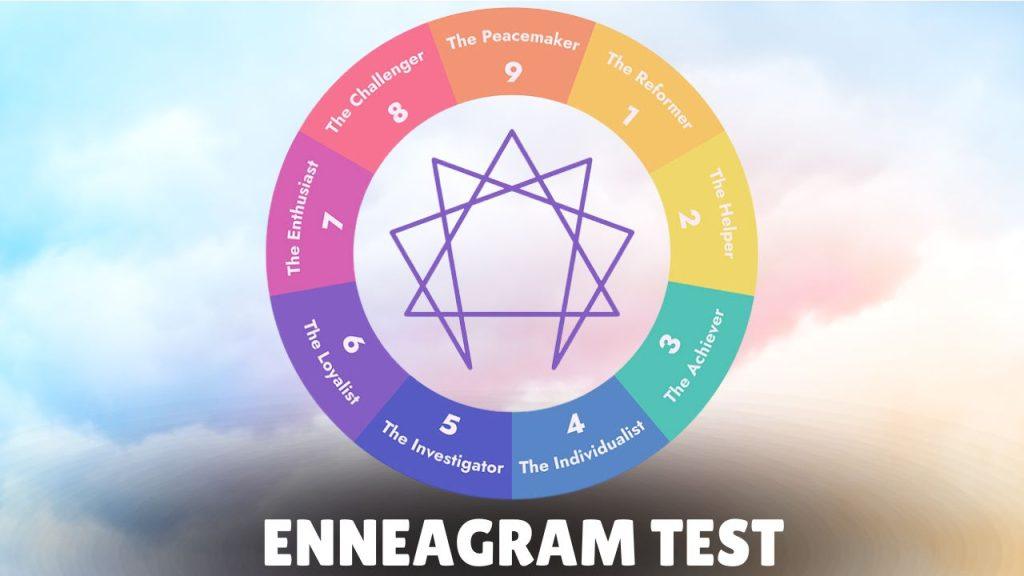
Unveiling the Enneagram: A Journey to Self-Discovery
The Enneagram is far more than a simple personality test; it’s a dynamic system for understanding the intricacies of human psychology, motivation, and spiritual growth. Rooted in ancient wisdom and refined over centuries, this profound tool maps out nine distinct personality types, each representing a unique lens through which we perceive the world, driven by core desires and fears that often operate beneath conscious awareness.
Unlike many other frameworks that describe *what* you do, the Enneagram illuminates *why* you do it. This deep dive into your inner workings, revealed through a reliable Enneagram assessment, provides unparalleled insights into your strengths, challenges, and pathways to authentic personal development. By embracing this knowledge, you can enhance relationships, navigate conflicts with grace, and cultivate a life of greater purpose and fulfillment.
What is the Enneagram System? Defining the Nine Core Motivations
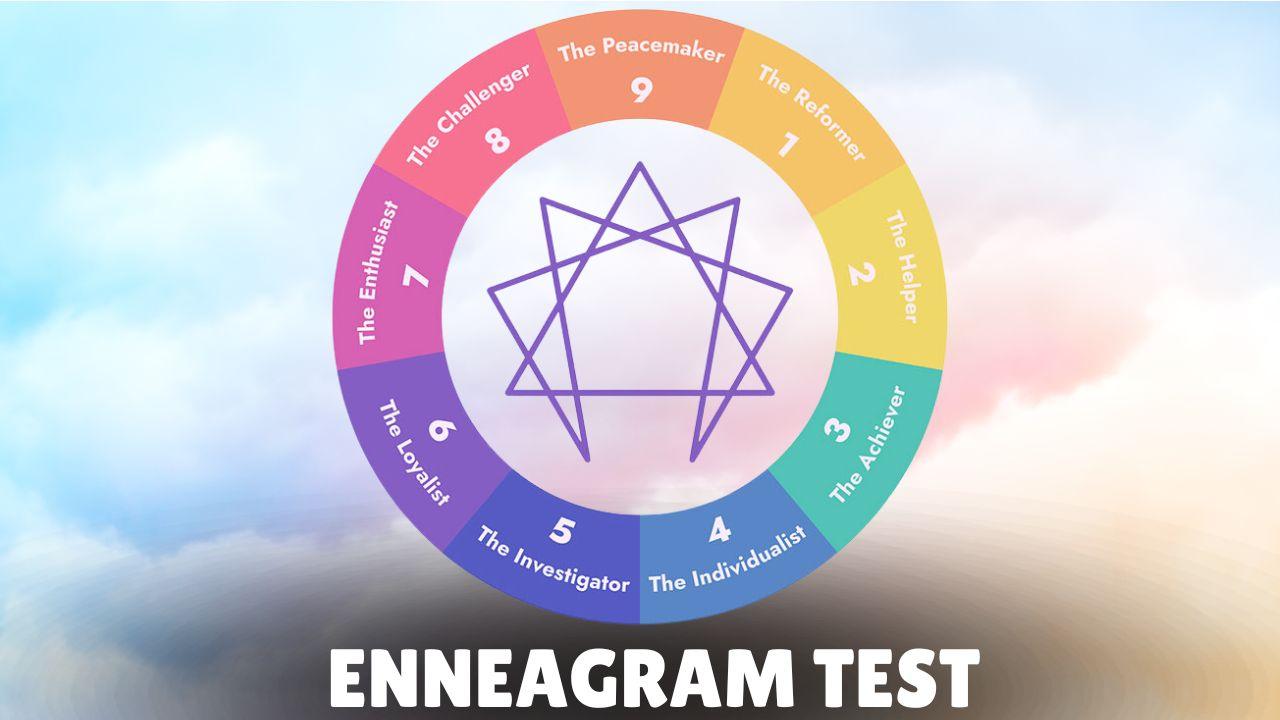
At its core, the Enneagram system outlines a circular diagram with nine interconnected points, each corresponding to a fundamental personality structure. Each Enneagram type, or ‘Enneatype,’ is characterized by a specific set of core motivations, often stemming from childhood experiences or early coping strategies. These motivations aren’t about behavior alone but about the underlying drive that shapes one’s worldview and actions.
Key Concept: Core Motivation
The Enneagram emphasizes that our true type is determined by our fundamental fear and desire, not just our outward behavior. Behaviors can change, but core motivations tend to remain consistent, influencing how we seek safety, connection, and success.
Understanding these deep-seated motivations is crucial because they reveal our patterns of thinking, feeling, and behaving – both healthy and unhealthy. This system provides a unique language for self-compassion and understanding others, moving beyond judgment to embrace the diverse tapestry of human experience. When you take an online Enneagram test, you’re not just getting a label; you’re gaining a lens through which to examine your inner landscape.
Why Take a Free Enneagram Test? Benefits for Personal Growth
Engaging with a free Enneagram test is an accessible first step into this transformative system. The benefits of discovering your Enneagram number are manifold:
- Enhanced Self-Awareness: Gain clarity on your core strengths, hidden blind spots, and habitual patterns that might be holding you back.
- Improved Relationships: By understanding your type and the types of those around you, you can foster greater empathy, improve communication, and navigate conflicts more effectively.
- Targeted Personal Growth: The Enneagram isn’t static; it provides clear pathways for growth, highlighting how each type can move towards health and integration.
- Reduced Stress: Identifying your core fears allows you to address them directly, reducing anxiety and promoting emotional balance.
- Career Guidance: Certain Enneagram types naturally gravitate towards specific careers, offering insights into fulfilling professional paths.
Many individuals find that a personality Enneagram test resonates more deeply than other assessments because it delves into the “why” behind behavior, providing a truly actionable framework for self-improvement.
The 9 Enneagram Types: A Deep Dive into Personality & Growth
Each of the nine Enneagram types possesses a distinct worldview, a driving passion, and a unique way of interacting with the world. While everyone exhibits traits from all enneagram numbers, one type will feel most like “home.” Let’s explore each one, understanding their core motivations and offering guidance for their journey of personal growth.
Reformer (Type 1) – The Perfectionist
Enneagram Type 1 individuals, known as Reformers, are principled, responsible, and ethical. Driven by a core desire to be good and right, they strive for perfection and improvement in themselves and their environment. Their inner critic is strong, often pushing them to uphold high standards and correct perceived flaws. They fear being corrupt, evil, or defective, leading them to be highly conscientious and diligent.
Key Traits:
- High sense of responsibility and integrity.
- Strong need for improvement and organization.
- Excellent attention to detail and a desire for accuracy.
- Often critical, both of themselves and others, in pursuit of what is “right.”
Tips for Growth:
- Embrace Imperfection: Accept that mistakes are part of growth. Focus on progress rather than perfection.
- Relaxation: Learn to unwind and find balance to avoid burnout from constant striving.
- Self-Compassion: Practice being kinder to yourself and understand that it’s okay to not be perfect; inherent worth exists regardless of performance.
Considered one of the more structured enneagram personalities, Type 1s can bring order and ethics to any situation. Explore ideal careers for Enneagram Type 1s.
Helper (Type 2) – The Giver
Enneagram Type 2 personalities are caring, generous, and nurturing. Known as Helpers, they find joy in supporting others and forming deep, appreciative connections. Their sense of self-worth often comes from being needed and appreciated by those around them. Their core desire is to be loved, and their greatest fear is being unwanted or unloved, leading them to anticipate and fulfill the needs of others, sometimes at the expense of their own.
Key Traits:
- Highly empathetic and compassionate, often anticipating others’ needs.
- Strong desire to feel loved and appreciated.
- Generous with their time, energy, and resources.
- Can struggle with setting boundaries and prioritizing self-care, leading to resentment.
Tips for Growth:
- Set Boundaries: Learn to say no and ensure your needs are met before consistently attending to others’.
- Self-Care: Practice taking care of yourself without feeling guilty; your well-being is vital.
- Independence: Realize that your worth isn’t solely defined by how much you help others; you are inherently valuable.
The Helper enneagram type thrives when their generosity is balanced with self-nurturing. Discover compassionate roles for Enneagram Type 2s.
Achiever (Type 3) – The Performer
Enneagram Type 3 individuals, or Achievers, are driven, goal-oriented, and success-focused. They thrive on accomplishments and external validation, often working tirelessly to reach their goals and present a competent, successful image to the world. Their core desire is to feel valuable and admirable, and their greatest fear is being worthless or failing. This can lead to a focus on image and adapting their persona to achieve success in various contexts.
Key Traits:
- Ambitious, highly motivated, and focused on tangible success.
- Thrive in environments where achievements are recognized and rewarded.
- Can be highly adaptable and charming, presenting themselves in the best light.
- Struggle with work-life balance and fear of failure, sometimes losing touch with their true self.
Tips for Growth:
- Cultivate Authenticity: Focus on internal validation and connecting with your true feelings rather than solely external achievements.
- Work-Life Balance: Prioritize time for personal relationships, reflection, and relaxation to avoid burnout.
- Celebrate Small Wins: Acknowledge your progress and celebrate accomplishments without immediately moving to the next goal.
The Achiever enneagram type can be incredibly inspiring, but their growth lies in connecting with their authentic self. Explore success-driven roles for Enneagram Type 3s.
Individualist (Type 4) – The Romantic
Enneagram Type 4 individuals are creative, introspective, and highly attuned to their emotions. Known as Individualists or Romantics, they value authenticity and often seek to express their uniqueness and depth. Their core desire is to find themselves and their significance, and their greatest fear is having no identity or being ordinary. This often leads to a search for what is missing or unique, and a tendency to feel misunderstood or disconnected from others.
Key Traits:
- Deeply emotional and expressive, with a rich inner world.
- Strong desire for individuality and authenticity, often drawn to beauty.
- Can be self-aware and empathetic, understanding complex feelings.
- Struggle with feelings of inadequacy, melancholic moods, or being misunderstood.
Tips for Growth:
- Embrace Positivity: Focus on gratitude and the positive aspects of your life rather than dwelling on what’s missing.
- Stay Connected: Build deeper connections with others, even when feeling misunderstood, recognizing your shared humanity.
- Accept Emotions: Understand that all emotions are valid but should be balanced with rational thinking and not allowed to overwhelm you.
The Enneagram Four brings depth and artistry to the world, finding strength in their unique perspective.
Investigator (Type 5) – The Observer
Enneagram Type 5, the Investigators or Observers, are analytical, curious, and prefer to observe the world from a distance. They seek knowledge and understanding, often diving deeply into subjects that interest them, accumulating resources and skills. Their core desire is to be capable and competent, and their greatest fear is being useless, helpless, or incapable. This can lead to a need for privacy, self-sufficiency, and emotional detachment to conserve their limited resources.
Key Traits:
- Logical, independent, and intellectual, with a thirst for knowledge.
- Strong desire for privacy and personal space, needing time for reflection.
- Perceptive and insightful, able to analyze complex systems.
- Struggle with connecting emotionally, hoarding resources (time, energy), and avoiding social situations.
Tips for Growth:
- Build Relationships: Practice emotional vulnerability by sharing more of yourself with trusted individuals.
- Balance Knowledge with Action: Don’t get stuck in perpetual research—take action and apply your learning in the real world.
- Engage Socially: Step out of your comfort zone by engaging in social interactions, recognizing the value of shared experiences.
The Enneagram Five offers profound understanding and insight, enriching the world with their depth of knowledge.
Loyalist (Type 6) – The Guardian
Enneagram Type 6 individuals, also known as Loyalists or Guardians, are dependable, trustworthy, and value security. They are often cautious, questioning, and can anticipate potential risks, making them excellent problem solvers and allies. Their core desire is to have support and guidance, and their greatest fear is being without support, alone, or unable to cope. This often manifests as anxiety, skepticism, and a search for security, whether through alliances or adherence to rules.
Key Traits:
- Loyal, responsible, and security-oriented, valuing commitment.
- Strong focus on avoiding risks and ensuring safety, often preparing for worst-case scenarios.
- Can be highly engaging and warm once trust is established.
- Struggle with anxiety, self-doubt, and decision-making due to fear of making the wrong choice.
Tips for Growth:
- Trust Yourself: Build confidence in your own abilities to navigate uncertainty and make decisions independently.
- Embrace Change: Recognize that not all risks are harmful and that change can lead to positive growth and resilience.
- Reduce Overthinking: Practice mindfulness and grounding techniques to quiet anxious thoughts and foster inner peace.
The Enneagram Six provides stability and vigilance, making them invaluable in communities and teams.
Enthusiast (Type 7) – The Adventurer
Enneagram Type 7, the Enthusiasts or Adventurers, are energetic, spontaneous, and always looking for the next exciting experience. They seek adventure, variety, and stimulation, viewing life as a playground of possibilities. Their core desire is to be satisfied and content, and their greatest fear is being deprived, trapped, or experiencing pain. This often leads them to avoid discomfort, overschedule themselves, and maintain an optimistic outlook, even in challenging situations.
Key Traits:
- Fun-loving, optimistic, and enthusiastic, with a zest for life.
- Strong desire for freedom and new experiences, constantly seeking novelty.
- Can be highly charming, imaginative, and multi-talented.
- Struggle with commitment, facing difficult emotions, and avoiding pain or discomfort.
Tips for Growth:
- Stay Grounded: Focus on finishing what you start and appreciating the present moment before moving on to the next exciting thing.
- Face Emotions: Don’t avoid discomfort—address your emotions instead of escaping them, allowing for deeper healing and growth.
- Be Present: Practice mindfulness to fully enjoy the present moment and cultivate deeper contentment without constantly seeking external stimulation.
The Enneagram Seven brings joy and exuberance to the world, inspiring others with their boundless energy.
Challenger (Type 8) – The Protector
Enneagram Type 8 individuals, the Challengers or Protectors, are confident, assertive, and natural leaders. They are not afraid to take control, advocate for justice, and protect those they care about. Their core desire is to protect themselves and be in control of their own life, and their greatest fear is being harmed, controlled, or vulnerable. This often leads to a direct, powerful communication style and a fierce independence.
Key Traits:
- Strong, independent, and protective, with a natural presence.
- Comfortable with taking charge and making decisive actions.
- Value honesty, justice, and standing up for the underdog.
- Struggle with control issues, appearing invulnerable, and trusting others with their softer side.
Tips for Growth:
- Embrace Vulnerability: Allow yourself to be open and trust others with your emotions, recognizing that true strength includes vulnerability.
- Delegate Responsibility: Let others take charge sometimes to foster collaboration and share the load, rather than carrying it all.
- Balance Strength with Compassion: Lead with empathy and understanding rather than solely force, recognizing the impact of your power.
The Enneagram Eight provides courage and leadership, fearlessly facing challenges and championing others.
Peacemaker (Type 9) – The Mediator
Enneagram Type 9 individuals, the Peacemakers or Mediators, are easy-going, agreeable, and value harmony above all else. They seek to avoid conflict, merge with others, and create a peaceful environment. Their core desire is to have inner stability and peace of mind, and their greatest fear is loss and separation. This often leads to a tendency to go along with others, mediate conflicts, and sometimes neglect their own needs or desires to maintain external harmony.
Key Traits:
- Calm, patient, and conflict-averse, seeking tranquility.
- Strong desire for harmony and peace in their environment and relationships.
- Can be highly receptive, supportive, and unifying.
- Struggle with indecision, passivity, and neglecting personal needs or asserting themselves.
Tips for Growth:
- Assert Yourself: Practice speaking up for your own needs, opinions, and boundaries without fear of conflict or disrupting peace.
- Make Decisions: Develop confidence in decision-making by trusting your instincts and realizing your choices have value.
- Take Action: Avoid complacency by setting and following through on personal goals, embracing your own agency.
The Enneagram Nine brings a calming, unifying presence to the world, fostering connection and understanding.
Maximizing Your Enneagram Results for Personal Transformation
Discovering your core Enneagram personality type is just the beginning. The real power of the Enneagram lies in its application to everyday life for deeper personal growth. It’s a dynamic system that evolves with you, offering layers of insight for self-understanding and improving relationships.
Understanding Your Wings & Subtypes: Adding Nuance to Your Type
Beyond the core Enneagram number, the system introduces the concept of wings and instinctual subtypes (also known as instinctual variants). Your Enneagram wing is one of the two types adjacent to your core type that most influences you. For example, a Type 3 might have a 3w2 enneagram (influenced by the Helper) or a 3w4 enneagram (influenced by the Individualist).
What are Enneagram Wings?
A “wing” is the influence of one of the two types next to your core type. It adds flavor and nuance, subtly shifting how your core type expresses itself. For instance, an Enneagram 5w4 will be different from an Enneagram 5w6.
Instinctual subtypes (Self-Preservation, Social, and Sexual/One-to-One) describe how your core type’s energy is channeled to meet basic human needs, further refining your personality’s expression. Exploring these layers can provide a more accurate and profound understanding of your unique psychological makeup, often revealing why two people of the same core type can seem so different.
Applying Enneagram Insights to Relationships and Communication
One of the most powerful applications of the Enneagram is in strengthening your relationships. By understanding not just your own motivations but also those of your loved ones, colleagues, and friends, you can:
- Increase Empathy: See situations from another’s perspective, understanding their fears and desires without judgment.
- Improve Communication: Tailor your communication style to resonate with different types, leading to more productive and harmonious interactions. For instance, knowing an Enneagram 6 prioritizes security can help you phrase reassurance more effectively.
- Navigate Conflict: Recognize common conflict patterns between types and develop strategies for de-escalation and mutual understanding. This can be especially helpful for Enneagram 9 compatibility, where avoiding conflict might lead to unaddressed issues.
Whether you’re exploring enneagram compatibility with a partner or seeking better team dynamics at work, the insights gained from an Enneagram test are invaluable.
Enneagram and Stress/Growth Arrows: Dynamic Pathways
The Enneagram is not a static model; it illustrates how we behave under stress and how we can grow toward health. The lines connecting the numbers on the enneagram diagram represent these dynamic pathways. Under stress, each type tends to take on the unhealthy characteristics of another type (the “stress arrow”). For example, an Enneagram 3 in stress may become more withdrawn and detached like an unhealthy Type 9.
Conversely, when we are growing and integrated, we move towards the healthy traits of another type (the “growth arrow”). For instance, a healthy Enneagram 7 can embrace commitment and groundedness, resembling a healthy Type 5. This dynamic aspect underscores the Enneagram’s role as a tool for continuous self-improvement and developing a more balanced self.
Choosing a Reliable Enneagram Test: Free vs. Paid Options
With the surge in popularity of the Enneagram, many resources, including various online Enneagram test options, have emerged. While a comprehensive, validated test typically comes with a fee (such as the Riso-Hudson Enneagram Type Indicator or RHETI from The Enneagram Institute), free Enneagram tests offer an excellent starting point for self-exploration.
The Value of Our Embedded Free Enneagram Quiz
The interactive quiz provided earlier in this article is designed to give you a foundational understanding of your potential Enneagram type. It distills key motivational drivers into accessible questions, making it a great tool for a quick self-assessment. While it might not have the extensive clinical validation of a paid assessment, it serves as an excellent compass to guide your initial exploration into the 9 Enneagram types.
Pro Tip: After taking any free Enneagram test, read the descriptions for the top 2-3 types that resonate most. Your true type will often feel like a deep, sometimes uncomfortable, reflection of your inner world, not just your outward persona.
Remember, the goal isn’t just to get a number but to use that number as a starting point for deeper inquiry. Many individuals find that supplementing a free Enneagram quiz with further reading (like enneagram books or resources from sites like Your Enneagram Coach) solidifies their understanding.
The Enneagram vs. Other Personality Frameworks: A Unique Lens
The Enneagram is often compared to other popular personality systems, such as the Myers-Briggs Type Indicator (MBTI) or the Big Five. While all aim to categorize and understand personality, the Enneagram offers a distinct advantage:
- Focus on Motivation: Unlike MBTI, which focuses on cognitive preferences (how you process information), the Enneagram delves into core motivations, fears, and desires. This makes it a powerful tool for understanding *why* you behave a certain way, rather than just *what* your behavior is.
- Growth-Oriented: The Enneagram explicitly maps out paths for personal growth and integration, showing how each type can move towards a healthier version of themselves. It’s less about a fixed label and more about a journey.
- Depth of Insight: Many find the Enneagram to offer a more profound and often challenging self-recognition because it confronts underlying psychological patterns and coping mechanisms.
While an MBTI Enneagram correlation can be interesting, it’s important to approach each system on its own terms to fully appreciate its unique contributions to self-understanding.
The Journey Continues: Sustained Growth with the Enneagram
Understanding your Enneagram type is a powerful catalyst for personal evolution. This journey of self-discovery is ongoing, inviting you to continuously observe your patterns, challenge your assumptions, and embrace the fullness of your potential. By applying the insights from a well-researched enneagram test and engaging with the system’s wisdom, you can cultivate greater emotional intelligence, build more resilient relationships, and live a life aligned with your truest self.
Whether you’re a disciplined Reformer, a compassionate Helper, or a harmonious Peacemaker, each Enneagram personality type brings unique gifts to the world. Embrace your type not as a box that defines you, but as a doorway to liberation and deeper understanding.
About this article. This is written for general interest and reflection. Nothing here is medical, psychological, legal or financial advice, and it is not a substitute for guidance from a qualified professional.
Read this next
Enneagram Type 4: 9 Best Creative Careers for Individualists
Discover top careers for Enneagram Type 4 individualists. Ideal roles include art, design, and writing, where…
13 min readEnneagram Type 2: Top Careers for Empathetic Helpers
Discover top careers for Enneagram Type 2 individuals. Ideal jobs include roles in healthcare, social work, an…
13 min readEnneagram Type 1: Top Careers for Perfectionists
Explore top careers for Enneagram Type 1, the perfectionists. Find jobs that match your skills in leadership,…
14 min read