Access Bars Vs. Alternative Therapies: Which Is Best For You?
Compare Access Bars with other popular alternative therapies. Discover their differences, similarities, and how to choose the right one for your needs.
In this article
Navigating the vast landscape of alternative therapies to find what truly resonates with your needs can be an overwhelming journey. Among these diverse approaches, Access Bars has emerged as a distinct energy healing modality, sparking curiosity about its efficacy and how it stacks up against other well-established practices.
This definitive guide will cut through the noise, providing an encyclopedic comparison of Access Bars with popular alternative therapies, empowering you with the knowledge to discern which path to well-being is genuinely best for you.
Understanding Access Bars: The Gateway to Energetic Release
Before diving into comparisons, it’s crucial to grasp the fundamental principles of Access Bars. Developed by Gary Douglas in the early 1990s and later co-founded with Dr. Dain Heer, this unique modality is part of the larger Access Consciousness system. It operates on the premise that we accumulate electromagnetic charges from thoughts, feelings, and emotions that solidify our points of view, limiting our capacity for change and choice. These charges are stored in specific energetic points on and around the head.
Key Insight: The core idea behind Access Bars is that by gently touching 32 specific points on the head, these electromagnetic charges are dissipated, allowing for the release of limiting beliefs, judgments, and fixed points of view.
What Exactly is Access Bars Therapy?
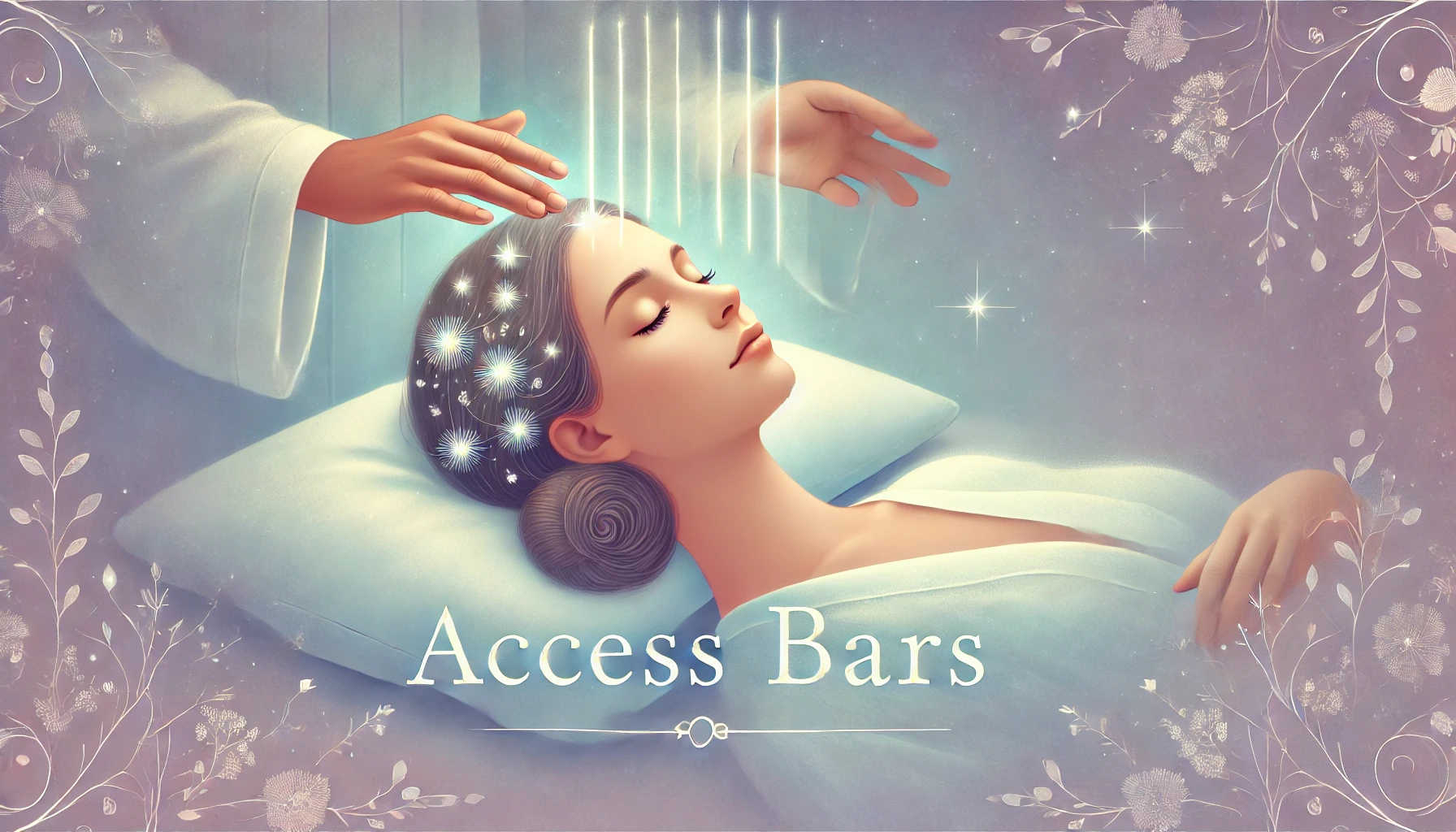
Access Bars therapy involves a practitioner gently touching these 32 points, or “bars,” on the client’s head. Each bar corresponds to a different area or aspect of life, such as money, control, creativity, awareness, body, sexuality, joy, sadness, healing, and communication. During a session, which typically lasts 60-90 minutes, the practitioner holds these points in various combinations, allowing the accumulated electromagnetic charge to dissipate. This process is often described as “deleting files” from your mental hard drive.
The Science (or Theory) Behind How Access Bars Works
While often categorized under energy healing, the theoretical framework of Access Bars suggests that when these points are touched, it facilitates a deep relaxation response, slowing down brainwave activity to theta waves. This state is conducive to releasing thoughts, feelings, and emotions that have been stored over a lifetime, creating more space and possibility in one’s life. Proponents suggest this can lead to greater ease in all areas, reducing stress, anxiety, and mental chatter, and opening up new avenues for personal growth and choice.
Research has begun to explore the effects of Access Bars. A preliminary study published in the Journal of Energy Psychology: Theory, Research, and Treatment found that a single session of Access Bars significantly reduced the severity of anxiety and depression. While more rigorous scientific research is needed, these initial findings contribute to understanding the potential benefits.
Key Benefits of an Access Bars Session
Individuals undergoing Access Bars treatment often report a wide range of positive outcomes. These can include profound relaxation, reduced stress and anxiety, improved sleep quality, increased mental clarity, a greater sense of peace and well-being, and a feeling of lightness.
Many users find it helps in releasing limiting beliefs and emotional blocks, enabling them to approach life’s challenges with more ease and perspective. For those grappling with conditions like ADHD, OCD, or even trauma, the gentle, non-invasive nature of Access Bars offers a unique pathway to energetic release without requiring cognitive processing of difficult experiences. The “worst case” outcome of an Access Bars session is often described as feeling as relaxed as if you’ve had a massage, while the “best case” is that your entire life can change for the better.
Access Bars vs. Reiki: A Gentle Touch Comparison
Both Access Bars and Reiki are widely recognized energy healing modalities that utilize gentle touch to facilitate healing and well-being. However, their underlying philosophies and methodologies differ significantly.
Similarities and Core Differences
- Similarities: Both aim to reduce stress, promote relaxation, and facilitate the body’s natural healing processes by working with subtle energies. Both are non-invasive and typically involve the client lying down fully clothed.
- Differences:
- Reiki, a Japanese technique, focuses on channeling universal life force energy (`qi` or `ki`) through the practitioner’s hands to the client’s body, addressing the entire energetic system. It’s often associated with balancing chakras and promoting spiritual growth. Practitioners are attuned to specific energy frequencies.
- Access Bars, as discussed, targets 32 specific points on the head to release stored electromagnetic charges from specific thoughts and beliefs. It’s less about channeling energy into the client and more about clearing what’s already there to create space.
When to Choose Each
If you’re seeking a broad, full-body energy healing experience that aims to balance your entire energetic system and foster spiritual connection, Reiki might be your preference. It’s often chosen for generalized relaxation, emotional balancing, and enhancing overall well-being. If your primary goal is to specifically clear mental clutter, release limiting beliefs, reduce overwhelm, improve focus, and gain a sense of expanded possibility by directly addressing stored thought patterns, Access Bars may be more effective. The Access Bars benefits tend to be more overtly focused on mental and emotional liberation.
Access Bars vs. Acupuncture: Needles or Nods?
Both Access Bars and Acupuncture work with the body’s energy system, but their methods are vastly different, originating from distinct philosophical traditions.
Energy Pathways and Techniques
- Acupuncture is an ancient practice rooted in Traditional Chinese Medicine (TCM). It involves inserting thin, sterile needles into specific points along meridians (energy pathways) in the body to regulate the flow of `qi` (life energy). It aims to restore balance and harmony, treating a wide array of physical ailments, pain, and internal organ dysfunctions, as well as emotional imbalances.
- Access Bars utilizes gentle, non-invasive touch on cranial points to release energetic blockages associated with specific thoughts and beliefs, without the use of needles or direct manipulation of meridian lines.
Who Benefits Most?
If you’re dealing with specific physical pain (chronic back pain, migraines), digestive issues, infertility, or other physiological imbalances, acupuncture might be a more targeted and evidence-backed approach for you. It’s a medical system with a diagnostic framework.
If your primary concern is releasing mental and emotional stress, clearing brain fog, overcoming limiting beliefs, or simply achieving a deeper state of relaxation without any physical intervention beyond light touch, Access Bars would be more suitable. It’s less about treating specific bodily ailments and more about facilitating mental and emotional freedom.
Access Bars vs. EFT (Emotional Freedom Techniques): Passive vs. Active Release
EFT (Emotional Freedom Techniques), often called “tapping,” and Access Bars both focus on releasing emotional blocks, but they engage the individual in very different ways.
Methodology and Engagement Levels
- EFT is a self-help technique where individuals actively tap on specific meridian points on their face and body while verbalizing a statement about the issue they want to address (e.g., “Even though I have this anxiety, I deeply and completely accept myself”). It’s an active, participatory process that directly engages the individual with their emotions and thoughts in the moment.
- Access Bars is a passive therapy. The client lies down and receives the gentle touch from the practitioner. While the client can be aware of thoughts and feelings arising, there’s no active verbalization or participation required for the “running” of the bars. The release happens without conscious effort.
Targeting Emotional Blocks
EFT is often highly effective for specific emotional issues, phobias, traumas, and anxieties, as it directly confronts and processes the emotion while stimulating meridian points. It’s excellent for those who want a tool they can learn and use themselves to manage daily stressors.
Access Bars can also address emotional blocks, but it does so more subtly and broadly by dissolving the underlying energetic charge of fixed viewpoints, rather than directly processing a specific emotion or event. It’s beneficial for those who prefer a receptive experience and want to create a general sense of ease and open-ended change, rather than targeting a single issue.
Consider This: If you’re someone who thrives on active participation and wants a clear, step-by-step method to tackle specific emotional challenges, EFT might be your go-to. If you prefer to simply lie back and allow for a more expansive, subtle release of accumulated stress and fixed perspectives, then Access Bars could be a profound experience.
Access Bars vs. Reflexology: Head, Hands, or Feet?
Reflexology and Access Bars both involve stimulating specific points on the body, but the locations and theoretical effects are quite distinct.
Stimulation Zones and Body Connections
- Reflexology is based on the principle that specific points (reflex zones) on the feet, hands, and ears correspond to different organs, glands, and parts of the body. By applying pressure to these points, reflexologists aim to stimulate nerve endings, improve circulation, and promote relaxation and healing throughout the corresponding body parts. It’s often used for systemic balance and targeting physical symptoms.
- Access Bars, conversely, exclusively focuses on the 32 points on the head, which are believed to correlate with specific life aspects (e.g., money, control, communication) rather than direct organ systems. The aim is to release energetic charge, not necessarily to stimulate a specific organ function.
Holistic vs. Targeted Approaches
If you enjoy foot or hand massages and are looking for a therapy that can promote overall relaxation, relieve tension, and potentially support specific bodily functions through nerve stimulation, reflexology is an excellent choice. It’s a wonderfully grounding and physically soothing experience.
If your interest lies more in mental and emotional decluttering, stress reduction, and unlocking new possibilities by shifting your perspective and releasing deep-seated limitations, Access Bars will offer a more direct approach to those specific goals.
Access Bars vs. Craniosacral Therapy: Beyond the Cranial Rhythm
Craniosacral Therapy (CST) and Access Bars both involve gentle touch on the head and are deeply relaxing, yet their mechanisms and intentions differ.
Focus on Systems vs. Points
- Craniosacral Therapy is a light-touch therapy that evaluates and enhances the functioning of the craniosacral system, which comprises the membranes and cerebrospinal fluid that surround and protect the brain and spinal cord. Practitioners detect and gently correct imbalances in the rhythm of this system, aiming to relieve pain and dysfunction, and improve whole-body health and performance. It has a strong anatomical and physiological basis.
- Access Bars operates on an energetic level, targeting the electromagnetic charge of thoughts and beliefs at 32 specific cranial points. It does not directly focus on the physical craniosacral rhythm or structural integrity of the central nervous system, though deep relaxation may indirectly benefit these systems.
Therapeutic Goals
If you are experiencing headaches, migraines, neck pain, TMJ issues, chronic fatigue, or stress-related conditions stemming from imbalances in the central nervous system or physical tension, Craniosacral Therapy provides a gentle, yet profound, structural and physiological approach. It’s often recommended for infants, children, and adults dealing with trauma, stress, and pain.
Access Bars would be chosen for clearing mental and emotional patterns, reducing mental chatter, fostering psychological ease, and expanding one’s capacity for change and choice, rather than directly addressing physical tension or nervous system rhythm. While both are gentle, CST is more rooted in osteopathic principles and anatomical understanding.
Beyond the Mainstream: Other Alternative Therapies & Access Bars
While we’ve focused on the most common comparisons, it’s worth noting how Access Bars relates to other popular therapies. For instance, therapies like Theta Healing also work with subconscious beliefs, but they often involve more guided visualization and active belief change work, distinguishing them from the passive energetic release of Access Bars. Similarly, practices like Chakra Balancing focus on specific energy centers in the body to promote harmony, whereas Access Bars focuses on a broader energetic “clearing” mechanism impacting various aspects of life.
Understanding these subtle differences is key to making an informed choice. The landscape of alternative therapies is rich and varied, and each modality offers a unique pathway to well-being.
Is Access Bars Right For You? A Decision-Making Guide
The question of “which is best for you” is highly personal and depends on your individual goals, preferences, and what you seek to achieve. There’s no single “best” alternative therapy; only the one that aligns most effectively with your needs.
Who Benefits Most from Access Bars?
Access Bars often attracts individuals looking for a profound yet gentle shift. It’s particularly beneficial if you:
- Are feeling overwhelmed, stressed, or constantly battling mental chatter.
- Struggle with anxiety, depression, or difficulty sleeping and seek deep relaxation.
- Feel “stuck” in certain patterns or behaviors and want to release limiting beliefs and fixed points of view.
- Desire greater mental clarity, focus, and ease in decision-making.
- Are open to energetic modalities and prefer a non-invasive, passive form of healing therapy.
- Want to enhance your capacity for joy, creativity, and overall well-being.
- Are looking for personal growth without having to verbally process past traumas or deeply analyze issues, which can be a key advantage over traditional talk therapies. Many Access Bars reviews highlight these aspects.
- Are curious about expanding your consciousness and exploring possibilities beyond your current reality.
When Other Therapies Might Be a Better Fit
While Access Bars is versatile, certain situations might lead you to consider other therapies:
- If you have acute or chronic physical pain, specific injuries, or physiological imbalances (e.g., digestive disorders, hormonal issues), acupuncture, physiotherapy, or osteopathy might offer more targeted relief.
- If you prefer a highly active, participatory approach to emotional processing and want tools to use independently, EFT (tapping) or cognitive-behavioral therapy (CBT) could be more suitable.
- If you seek a full-body energetic balancing and spiritual connection experience, Reiki might align better with your intentions.
- For issues specifically related to the central nervous system, head trauma, or structural cranial imbalances, Craniosacral Therapy has a more direct therapeutic framework.
- If you enjoy physical stimulation of extremities and seek systemic relaxation through reflex points, Reflexology is an excellent choice.
Addressing Common Concerns: Safety, Side Effects, and Scientific Basis
A common question is: “Is Access Bars dangerous?” Generally, Access Bars is considered extremely safe and non-invasive. There are no known negative Access Bars side effects. The most common “side effect” is deep relaxation or falling asleep.
Some individuals might experience a temporary “detox” period after a session, feeling more emotional or tired as old energies clear, but this is typically mild and transient. Regarding “do Access Bars really work” and “are Access Bars scientifically proven?”, as mentioned, initial research suggests positive impacts on anxiety and depression. However, like many energy healing modalities, more extensive, peer-reviewed scientific studies are needed to fully understand its mechanisms and establish widespread clinical validation. Its efficacy is largely supported by anecdotal evidence and qualitative experience from millions worldwide who have experienced Access Bars sessions and Access Bars training.
Practical Considerations: Cost, Accessibility, and Self-Application
Once you’ve narrowed down your choices, practical factors play a significant role.
Session Prices and Finding a Practitioner
The Access Bars session price can vary widely depending on location, practitioner experience, and session length. Typically, a 60-90 minute session might range from $75 to $150 or more. To find an “Access Bars practitioner near me” or “Access Bars treatment near me,” the official Access Consciousness website has a facilitator locator. Many practitioners offer a free consultation or an introductory session.
Learning Access Bars: Courses and Self-Practice
A unique aspect of Access Bars is its accessibility for learning. You don’t need to be a practitioner to experience its benefits or even to learn to “run the bars” on others. “Access Bars courses” are available globally, often as a one-day class that teaches you how to give and receive a session.
Many people ask, “can you run Access Bars on yourself?” While it’s physically challenging to run all 32 points effectively on your own head, some partial self-treatment is possible for relaxation, but receiving a session from a certified Access Bars facilitator or practitioner is generally recommended for optimal results. You can often find “Access Bars training near me” or “Access Bars certification” classes in your area.
The Verdict: Empowering Your Healing Journey
In the expansive realm of alternative therapies, Access Bars stands out as a distinctive and potent energy healing modality, offering a gentle yet profound path to mental clarity, emotional release, and personal freedom. While it shares the common goal of promoting well-being with therapies like Reiki, Acupuncture, EFT, Reflexology, and Craniosacral Therapy, its unique focus on dissipating electromagnetic charges from specific cranial points sets it apart.
Choosing the “best” therapy isn’t about finding a universal winner, but rather about aligning with what resonates with your deepest intentions for healing and growth. We encourage you to explore, ask questions, and perhaps even experience a session or two of different modalities. Trust your intuition and what feels light and expansive for you. Ultimately, the goal of any alternative therapy is to empower you to live a life of greater ease, joy, and glory. May your journey be filled with possibilities!
About this article. This describes a complementary practice, not a medical or psychological treatment. It does not diagnose, treat, cure or prevent any condition, and it does not replace medicine, psychotherapy or any care you are already receiving. Please do not delay or stop treatment because of anything written here. Practices that surface strong emotion or family history can be genuinely difficult; if that happens, a qualified therapist is the right support.
Read this next
Access Bars Training: How To Become A Certified Practitioner
Learn how to become an Access Bars practitioner. Discover the training process, skills you'll acquire, and the…
16 min readAccess Bars: What to Expect After a Session & Profound Shifts
iscover the life-changing shifts you can expect after an Access Bars session. Learn about the immediate effect…
12 min readWhat Is Access Bars? Unlock Clarity & Release Stress
Discover the transformative power of Access Bars therapy. Release mental blocks, reduce stress, and enhance cl…
15 min read