Meditation Music: Moonlit Fields for Deep Relaxation & Peace
Dive into tranquility with Moonlight & Fields Meditation Music | Ambient Sounds for Deep Relaxation and Inner Peace. Experience serenity and inner peace today. (160 characters)
In this article
Embark on a transformative journey to tranquility with meditation music specifically designed to usher you into states of deep relaxation and inner peace. This comprehensive guide will not only introduce you to the enchanting “Moonlit Fields” ambient soundtrack but also unravel the profound science and practical applications behind using music as a powerful tool for stress relief, enhanced sleep, and heightened mindfulness. Discover how harmonious melodies and calming nature sounds can effortlessly transport you to serene soundscapes, validating your search for true serenity and providing actionable insights for your daily practice.
What the evidence shows — and what it does not. Music and binaural beats do have measurable effects: controlled studies report reduced anxiety and lower perceived pain, alongside changes in EEG activity during listening. Those results come from small and varied studies, so treat them as promising rather than settled. What is not supported is the idea that one exact frequency performs one exact biological task. There is no peer-reviewed evidence that 528 Hz repairs DNA, and the “Solfeggio” set was assembled in the late 1990s rather than inherited from medieval chant. Choose a tone because the sound suits you and helps you settle — that part is real — not because a number is doing something measurable to your cells.
Play this while you read
The Serenity of Moonlit Fields: A Gateway to Deep Relaxation
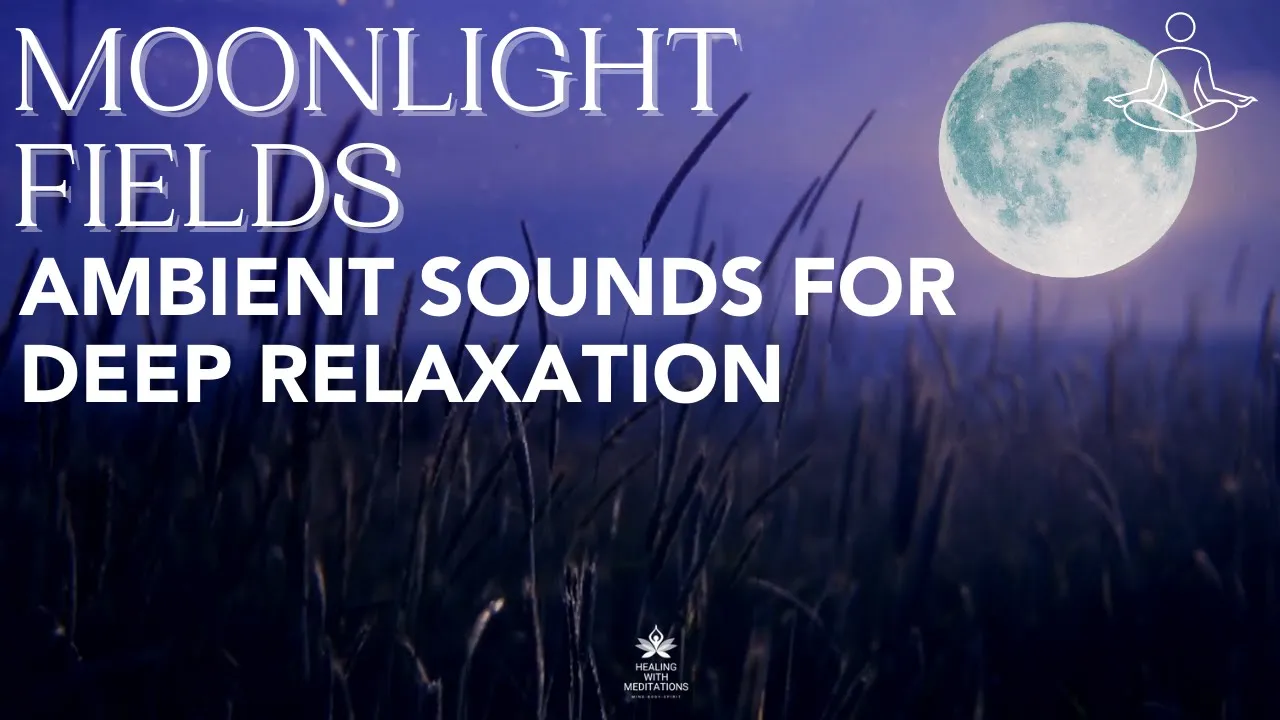
Imagine a vast, open field bathed in the gentle, ethereal glow of a full moon. The air is still, save for the whisper of a distant breeze and the soft hum of nocturnal life. This is the essence of “Moonlit Fields” – an auditory sanctuary crafted to guide you toward unparalleled calm. Our unique blend of ambient melodies and natural soundscapes, inspired by the profound tranquility of such a scene, is more than just background noise; it’s a meticulously designed conduit for your mind to disengage from daily stressors and embrace profound peace. This particular brand of meditation music harnesses the symbolic power of the moon, long associated with introspection and emotional calm, to create an immersive experience perfect for stress relief and unwinding.
The Concept Behind “Moonlit Fields”: Nature’s Embrace
The “Moonlit Fields” concept taps into humanity’s innate connection with nature and celestial cycles. The moon, a timeless symbol of peace, intuition, and renewal, naturally evokes a sense of quietude. When paired with the subtle, organic sounds of a natural landscape – gentle rustling, distant echoes – it creates a multi-sensory experience that bypasses the conscious mind’s chatter. This particular musical theme aims to foster an atmosphere where you feel safe, nurtured, and completely at ease, allowing you to easily slip into a state of deep relaxation. It’s an invitation to release tension and allow your nervous system to recalibrate.
The Science of Sound: How Music Influences Your Mind
The impact of music on our mental and physical state is well-documented. Scientific studies show that certain frequencies, tempos, and melodic structures can directly influence brainwave activity, heart rate, and even hormone levels. Slow tempos, predictable rhythms, and the absence of jarring sounds or lyrics allow the brain to shift from beta (active, waking state) to alpha (relaxed, reflective state) and even theta (deep relaxation, pre-sleep, meditation). Our “Moonlit Fields” meditation music is composed with these principles in mind, using carefully selected tones and ambient textures to encourage these beneficial brainwave states. This isn’t just arbitrary music; it’s a symphony designed to heal and harmonize, a key component in effective meditation techniques.
Unlocking the Profound Benefits of Meditation Music
Integrating meditation music into your daily routine offers a wealth of advantages that extend far beyond simply feeling good in the moment. From tangible physiological changes to profound psychological shifts, the consistent practice of listening to carefully curated soundscapes can fundamentally improve your quality of life. Many people seek out meditation and meditation practices for these very reasons, and music can significantly amplify their effectiveness.
Key Benefits of Meditation Music: Reduces stress hormones, improves sleep onset and quality, enhances focus and attention span, fosters emotional balance, and supports deeper meditative states. It’s an accessible path to inner peace for everyone.
Stress Reduction and Anxiety Relief
In our fast-paced world, stress and anxiety have become unwelcome companions for many. Meditation music acts as a natural antidote, slowing down your internal dialogue and physical responses. The calming frequencies and rhythms help to lower cortisol levels (the primary stress hormone), decrease heart rate, and relax tense muscles. For those grappling with generalized anxiety, or even situational stress, incorporating gentle, flowing soundscapes like “Moonlit Fields” can provide an immediate sense of calm and a long-term strategy for managing stress effectively. Many find it superior to simply relying on stress meditation alone, as the auditory input provides a focal point.
Enhancing Sleep Quality and Combating Insomnia
Struggling with sleep is a widespread issue, and the quest for restful nights often leads individuals to explore various remedies, including sleep meditation music. Our “Moonlit Fields” composition, with its gentle, consistent flow and lack of jarring changes, is ideal for priming the brain for sleep. It helps to quiet the overactive mind that often prevents sleep onset, guiding brainwaves into the delta and theta states associated with deep, restorative sleep. Listening to meditation for sleep, especially with accompanying music, can significantly reduce the time it takes to fall asleep and improve overall sleep architecture, offering a peaceful alternative to counting sheep or relying on sleep aids.
Fostering Mindfulness and Mental Clarity
Mindfulness meditation, a core practice for many, is greatly supported by the right musical backdrop. The continuous, unobtrusive nature of ambient meditation music provides a gentle anchor for your attention. Instead of becoming distracted by external sounds or internal chatter, your mind can subtly focus on the ebb and flow of the melodies, bringing you into the present moment. This practice strengthens your ability to concentrate, reduces mental fog, and enhances overall cognitive clarity. For those just starting their journey with mindfulness and meditation, music can be an invaluable guide.
Emotional Regulation and Inner Peace
Emotional volatility can disrupt daily life. Meditation music offers a non-verbal way to process and regulate emotions. The serene nature of “Moonlit Fields” can help soothe agitation, lift spirits, and create a space for emotional release without judgment. By consistently exposing yourself to harmonious sounds, you train your emotional responses to favor calm and balance. This cultivation of inner peace is a profound benefit, leading to greater resilience and a more stable emotional landscape. It’s a foundational step towards a more joyful and centered existence.
Crafting Your Ideal Meditation Experience with Music
The power of meditation music is maximized when approached with intentionality. It’s not just about pressing play; it’s about creating an environment and a mindset that allows the music to deeply penetrate and facilitate your journey to relaxation. Understanding how to do meditation properly, especially with auditory aids, can transform your practice.
Setting the Ambiance: Environment & Tools
To truly immerse yourself in the “Moonlit Fields” experience, consider your surroundings. Choose a quiet space free from distractions. Dim the lights, light a candle, or diffuse essential oils to enhance the sensory experience. High-quality headphones can significantly deepen your immersion, blocking out external noise and delivering the full richness of the ambient soundscape. Think of it as creating your personal sanctuary where meditation meditate becomes an effortless process. This dedicated space helps signal to your brain that it’s time to unwind.
Active Listening vs. Passive Background
While “Moonlit Fields” can certainly serve as a beautiful backdrop for daily tasks, its profound benefits are unlocked through active engagement. When practicing meditation, allow the music to become your focal point. Notice the subtle shifts in melody, the gentle ebb and flow of the nature sounds. This active listening prevents your mind from wandering and deepens your connection to the present moment. However, for tasks requiring concentration (like studying or working), softer, more ambient versions can still provide a conducive environment, acting as subtle meditation music for focus.
Integrating Music into Different Meditation Techniques
Whether you practice guided meditation, Vipassana, or gentle yoga, “Moonlit Fields” can enhance your experience. For guided sessions, ensure the music complements the guide’s voice without overpowering it. In unguided practices, let the music serve as your anchor, returning your attention to it whenever your mind drifts. During yoga, synchronize your movements with the unhurried tempo of the music, allowing it to deepen your stretches and breath. Even for those exploring transcendental meditation, ambient music can help set a peaceful atmosphere before and after their specific mantra practice, though it’s typically not used during the mantra itself.
Diving Deeper: Types and Elements of Effective Meditation Music
The world of meditation music is diverse, extending beyond simple calming melodies. Understanding the various types and their underlying principles can help you choose the perfect sonic companion for your unique needs and goals. When considering meditation in music, it’s crucial to appreciate the different forms it can take.
Ambient Soundscapes and Nature Sounds
This category, exemplified by our “Moonlit Fields” offering, focuses on creating an immersive auditory environment. It combines gentle instrumental textures with authentic recordings of nature – rain, ocean waves, forest sounds, or the subtle rustling of fields at night. The goal is to transport the listener to a peaceful natural setting, leveraging our evolutionary comfort with such sounds. This type of relaxation meditation music is often the most accessible and widely appreciated for its immediate calming effects.
Binaural Beats and Isochronic Tones: Brainwave Entrainment
These are more specialized forms of meditation to music that leverage specific frequencies to influence brainwave activity. Binaural beats involve presenting two slightly different frequency tones to each ear, creating the perception of a third, “beating” tone within the brain. Isochronic tones are single tones pulsed on and off at regular intervals. Both are designed to encourage the brain to synchronize its activity to a desired frequency (e.g., theta for deep relaxation or delta for sleep). While not explicitly part of “Moonlit Fields,” these techniques often underpin many modern sleep meditation tracks and can be highly effective for specific goals.
Solfeggio Frequencies: The Healing Power of Sound
Ancient scales known as Solfeggio frequencies are believed to have profound spiritual and healing properties. Each frequency, such as 528 Hz (associated with transformation and miracles) or 432 Hz (often called the “God frequency”), is thought to resonate with different aspects of the human body and consciousness. Incorporating these specific frequencies into meditation music aims to promote physical and emotional healing, balance, and spiritual connection. Many chakra meditation tracks utilize these frequencies.
The Role of Specific Instruments and Melodies
The choice of instrumentation profoundly impacts the feel of meditation music. Soft pianos, gentle strings, flutes, and ethereal synthesizers often dominate, as they evoke calmness without demanding intense cognitive processing. Traditional instruments like Tibetan singing bowls (used in Tibetan meditation bowls practices), gongs, and chimes are also highly effective, producing resonant tones that promote deep relaxation and mental stillness. The melodies tend to be slow, flowing, and repetitive, designed to soothe rather than stimulate, facilitating a state of profound peace mind meditation.
Beyond Relaxation: Meditation Music for Specific Goals
While often associated with relaxation, meditation music is a versatile tool that can be tailored to support a wide array of personal development and spiritual goals. From enhancing concentration to deepening spiritual practices, the right soundtrack can be a powerful ally.
Music for Focus and Productivity
Not all ambient music is purely for winding down. Many tracks, often categorized as “study music” or “focus music,” use similar principles of consistent, unobtrusive sound to help improve concentration and block out distractions. These often feature gentle orchestral arrangements, lo-fi beats, or steady rain sounds. By creating a consistent, low-stimulus auditory environment, they help maintain a state of calm alertness conducive to tasks requiring sustained attention. This can be particularly helpful for those who find absolute silence distracting.
Music for Chakra Balancing and Energy Work
For those engaged in energy work or exploring the body’s energetic centers, specific chakra meditations and music can be highly beneficial. These compositions often incorporate specific Solfeggio frequencies, vocalizations (like “Om meditation”), or instrumental tones believed to resonate with each of the seven chakras. The music acts as an auditory guide, helping practitioners visualize and balance their energy centers, promoting overall well-being and energetic harmony. This practice directly relates to ancient traditions that recognized the power of sound for healing.
Music for Positive Affirmations and Visualization
Meditation is often paired with practices like positive affirmations or visualization to manifest goals and cultivate a positive mindset. The right musical background can significantly enhance these techniques. Gentle, uplifting melodies create an emotional canvas upon which affirmations can be imprinted more deeply into the subconscious. Music can also facilitate vivid visualization, helping you connect with the feelings and sensations of your desired outcomes. This combination makes practices like “love and kindness meditation” even more impactful.
Choosing Your Perfect Soundtrack: A Practical Guide
With an abundance of choices available, selecting the ideal meditation music can feel overwhelming. This guide offers practical advice to help you navigate the soundscape and find what resonates most deeply with your personal journey towards inner peace.
Considering Your Intent and Mood
Before you begin your search, ask yourself: What is my primary goal? Am I seeking meditation for sleep, stress relief, enhanced focus, or general relaxation? Your intent should guide your choice. If you’re stressed, opt for very gentle, flowing ambient tracks. If you’re trying to focus, look for music with consistent, non-distracting elements. Your current mood also plays a role; sometimes you might need something grounding, other times something uplifting. Experiment with different types of meditation music to see what aligns best with your needs at any given moment.
Exploring Platforms and Resources
The internet offers a vast library of meditation music. YouTube is a popular hub, featuring countless hours of ambient tracks, nature sounds, and guided meditations (e.g., meditation music youtube). Dedicated meditation app platforms like Headspace, Calm, and Insight Timer also offer extensive music libraries, often curated for specific purposes like sleep or anxiety. Streaming services like Spotify and Apple Music have numerous playlists tailored to meditation, yoga, and relaxation. Look for artists and channels that specialize in creating high-quality, ad-free tracks for a truly immersive experience. Consider trying a free meditation app to start exploring.
Recognizing High-Quality Audio
High-quality audio is paramount for an effective meditation music experience. Look for tracks that are professionally produced, free from sudden volume changes, abrupt cuts, or digital artifacts. The sound should be rich, clear, and immersive, especially if it incorporates nature sounds. Poor audio quality can be distracting and diminish the therapeutic benefits. Investing in good headphones can also significantly enhance your perception of high-fidelity recordings, allowing you to fully appreciate the nuanced textures of soundscapes like “Moonlit Fields.”
Conclusion: Embrace Your Journey to Inner Peace
The journey to deep relaxation and inner peace is deeply personal, and meditation music like our “Moonlit Fields” offers a beautiful, accessible pathway. By understanding how sound interacts with your mind and body, and by intentionally selecting and integrating these harmonious soundscapes into your life, you empower yourself with a potent tool for well-being. Whether you seek respite from stress, a deeper connection in your mindfulness meditation practice, or simply a more restful night’s sleep, the right music can transform your experience. We encourage you to explore the myriad benefits, cultivate a peaceful environment, and let the gentle embrace of “Moonlit Fields” guide you towards a calmer, more centered you. Your journey towards profound serenity begins with a single, harmonious note.
About this article. This is a guide to a contemplative and symbolic practice, not to medicine. Nothing here is medical, psychological or therapeutic advice, no practice on this page treats or prevents any condition, and none of it replaces care from a qualified professional. If you are living with persistent pain, exhaustion, low mood, anxiety, insomnia or any symptom that worries you, please talk to a doctor — and never stop or change a prescribed medication because of something you read here. If you have epilepsy or a seizure disorder, check with your doctor before using pulsed tones or binaural beats.
Frequently Asked Questions (FAQ) About Meditation Music
Q: What is meditation music good for?
A: Meditation music is highly beneficial for a range of purposes including deep relaxation, reducing stress and anxiety, improving sleep quality, enhancing focus and mindfulness, and fostering a sense of inner peace. Its calming frequencies help regulate brainwave activity and lower stress hormones.
Q: How long should I listen to meditation music?
A: The ideal duration varies based on your goal. For short breaks and quick relaxation, 5 minutes of meditation with music can be effective. For deeper practice, 10-30 minutes is common. For sleep, you can listen throughout the night, using auto-off timers if preferred.
Q: Can I sleep with meditation music on?
A: Yes, many people find sleep meditation music highly effective for falling asleep and staying asleep. Gentle ambient soundscapes like “Moonlit Fields” help quiet the mind and promote the brainwave states conducive to restorative rest. Ensure the volume is comfortable and non-disruptive.
Q: Is there a “best” type of meditation music?
A: There isn’t a single “best” type; it depends on individual preference and specific goals. Popular categories include ambient soundscapes, nature sounds, binaural beats, Solfeggio frequencies, and music featuring traditional instruments like Tibetan singing bowls. Experiment to find what resonates most with you for relaxation meditation.
Q: How does “Moonlit Fields” music differ from other relaxation tracks?
A: “Moonlit Fields” focuses on the unique imagery and symbolism of a serene, moonlit natural environment. It combines harmonious melodies with calming nature sounds, specifically designed to evoke introspection and deep, restorative peace. It aims for a specific, immersive atmosphere for deep relaxation & peace that goes beyond generic ambient music.
Read this next
Rain Sounds Meditation: Your Guide To Peaceful Deep Sleep
Relax with Rain Sounds for Sleeping - Calm Music for Peace, Relaxation, and Meditation. Experience the soothin…
13 min readNature Sounds for Sleep: What Works, What the Research Says, and How Loud
Which nature sound suits your sleep problem, what the research really supports, pink vs white vs brown noise,…
11 min readOcean Waves Ambiance: Healing & Relaxation Methods
Immerse in the tranquil beauty of our Ocean Waves Relaxation Ambiance Video infused with Miracle Healing Energ…
15 min read