Chakra Meditations
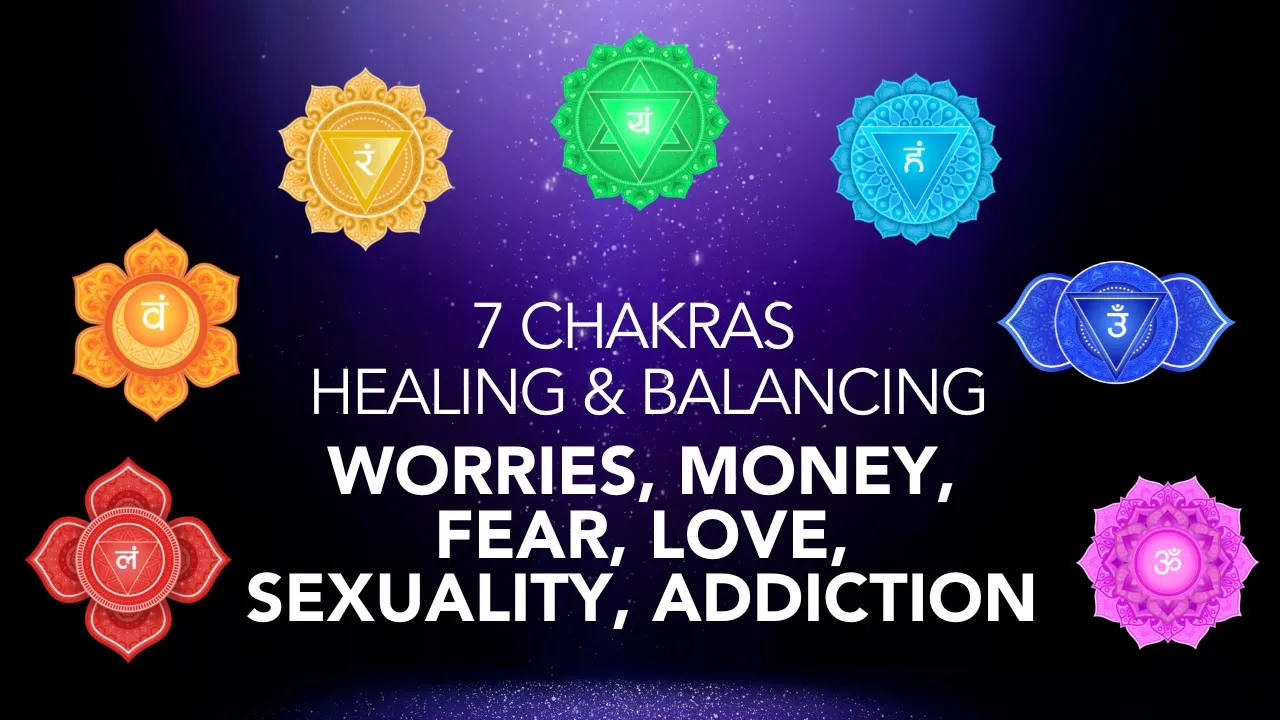
Chakra meditation is a way of asking a more specific question than “why do I feel like this?” The system maps seven centres onto seven recognisable human problems — safety, appetite, confidence, connection, speech, perception, meaning. Its usefulness is not that the anatomy is real. It is that it makes a vague state answerable.
| What it is | A symbolic map of seven centres, from the base of the spine to the crown |
| Where it comes from | Tantric and yogic texts; the seven-colour version is largely twentieth-century |
| What it is good for | Turning “something is off” into a specific, workable question |
| What it is not | Anatomy, medicine, or a diagnostic system |
| Time needed | Five to fifteen minutes; longer sessions do not work better |
| Tones traditionally used | One per centre — conventions of the tradition, not measured effects |
How to choose which centre to work on
Working through all seven in order is the common advice and the least useful. In practice one centre is doing the complaining, and the others are fine. Start where the description actually matches your week.
How to tell whether yours needs attention
Pick whichever is closest to your week.
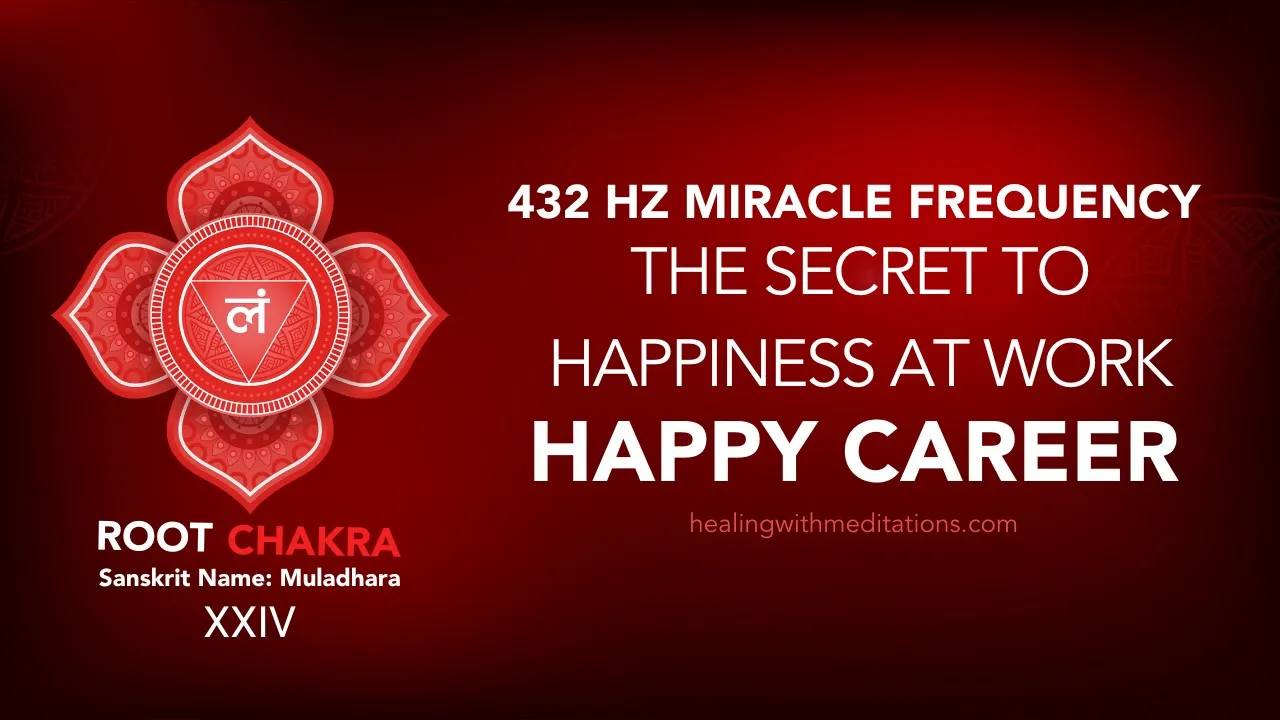
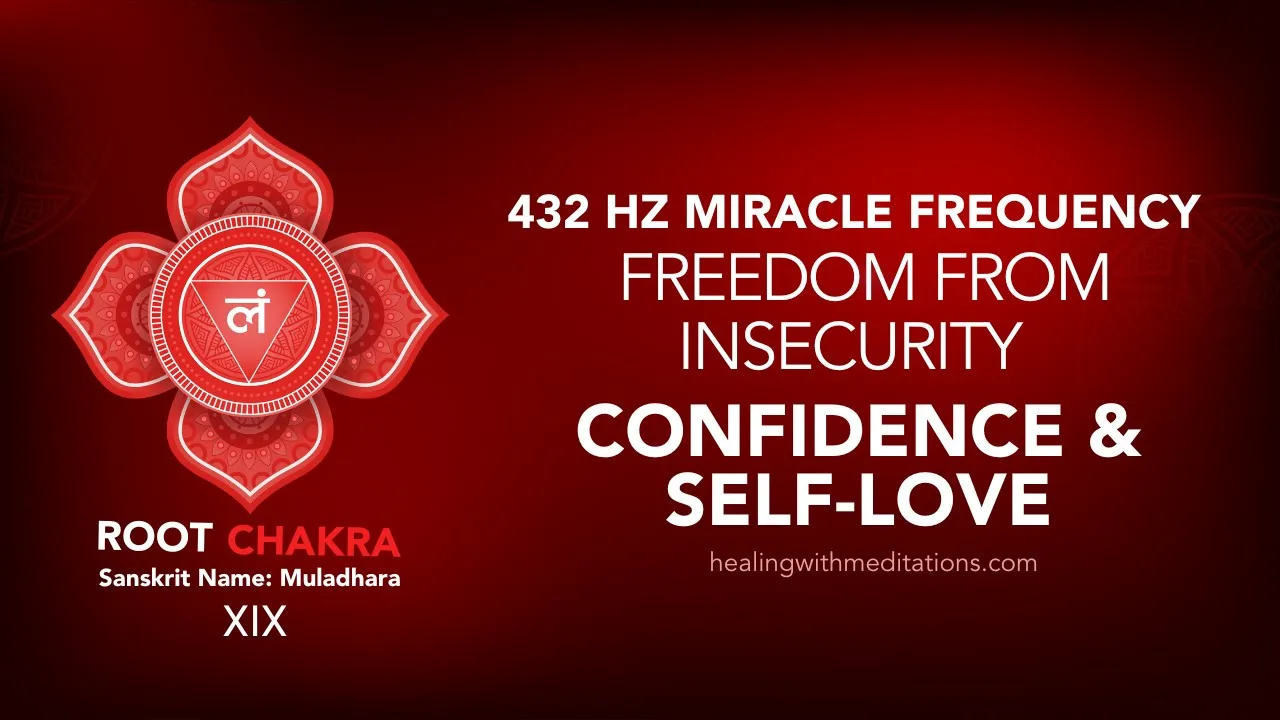
Restlessness, broken sleep, money or housing on your mind. This is the root — the base of the spine.
Start with: the root chakra guides below, and something weight-bearing before you sit.
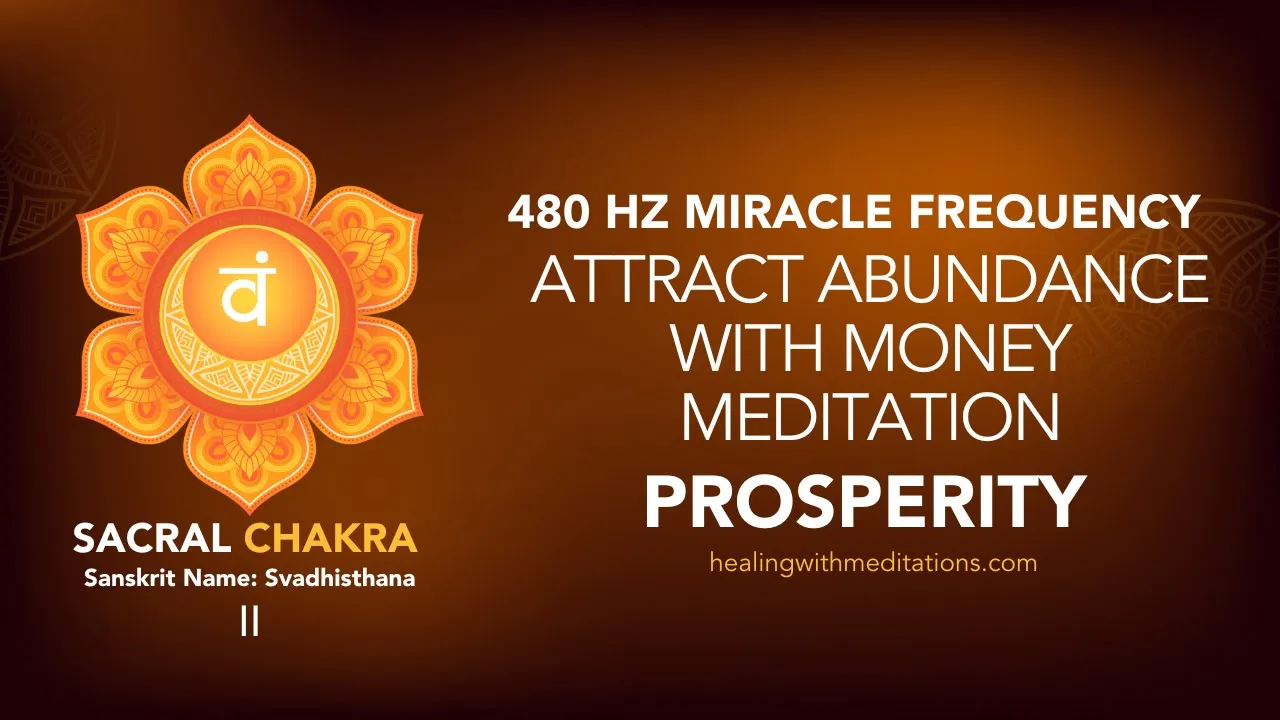
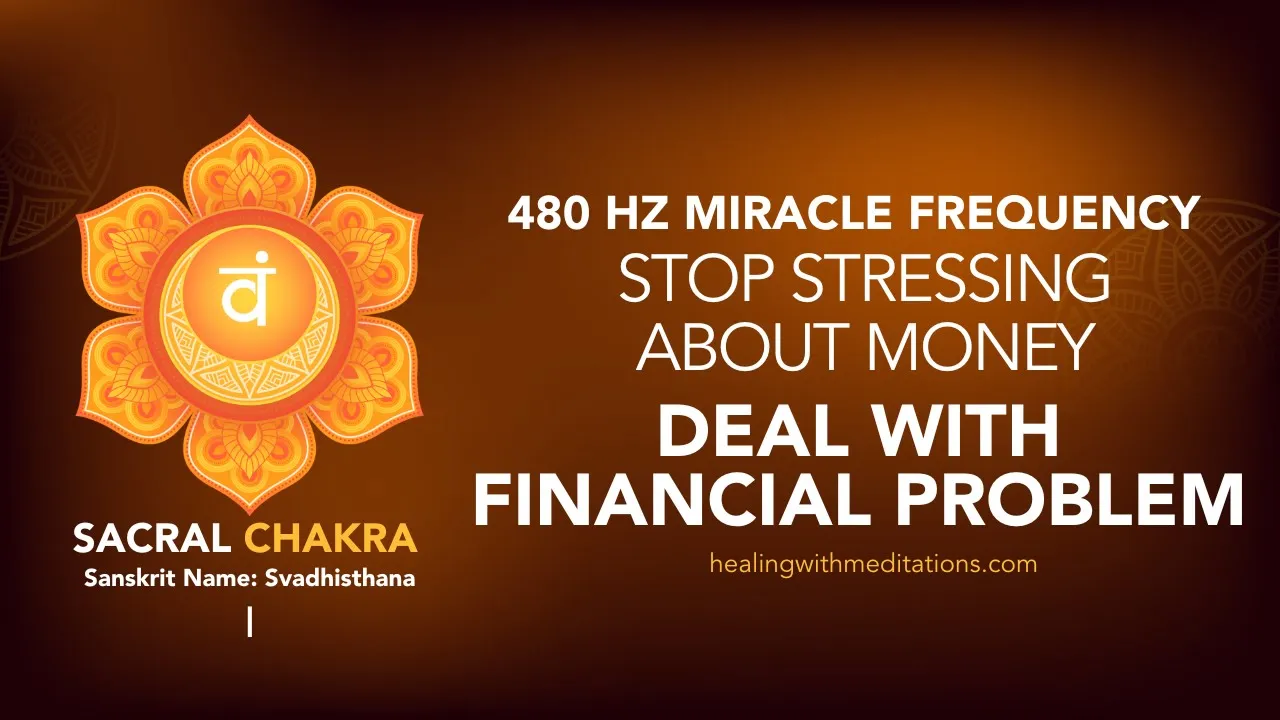
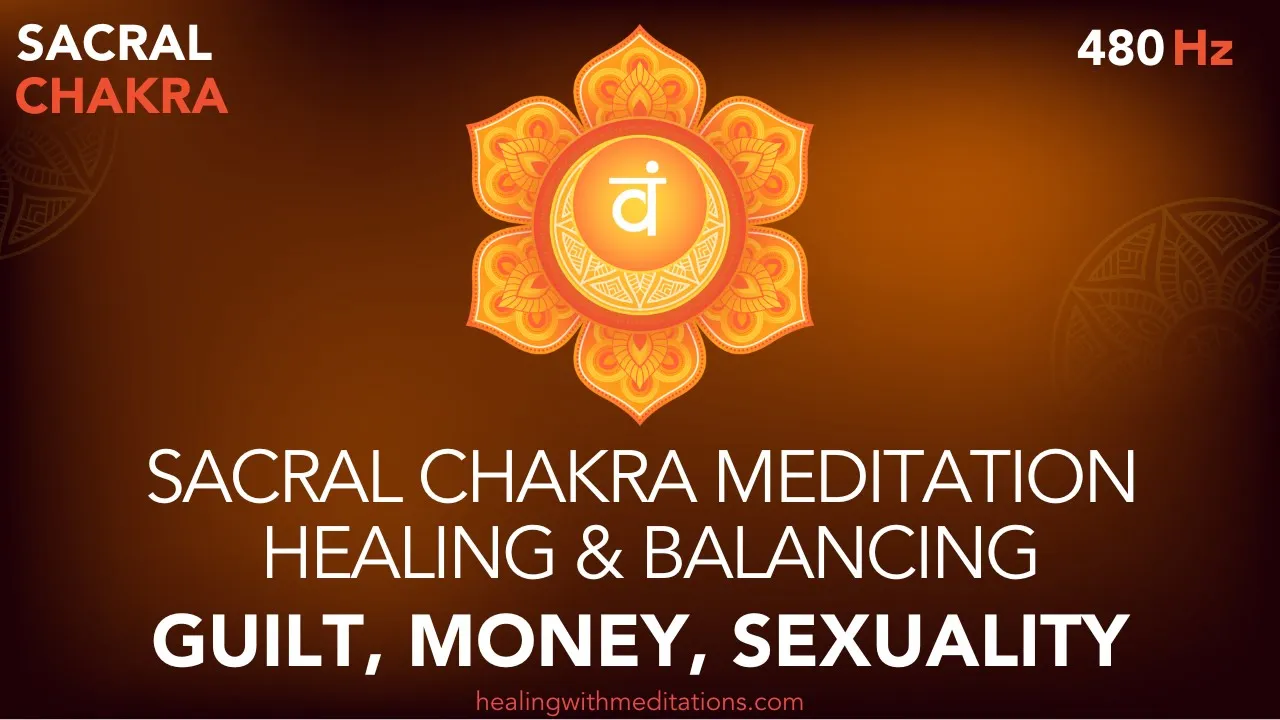
Numbness, no creative pull, guilt about wanting things. The sacral centre, low in the abdomen.
Start with: the sacral guides, and something physical and pleasurable with no purpose.
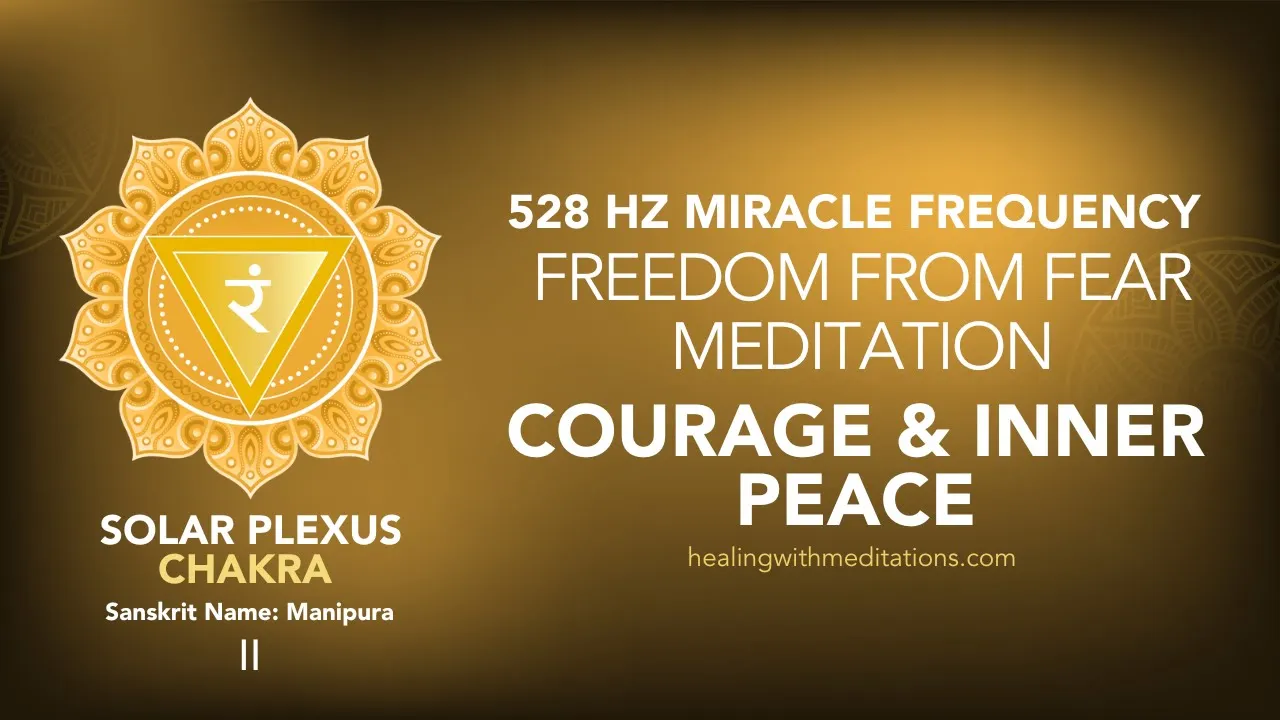
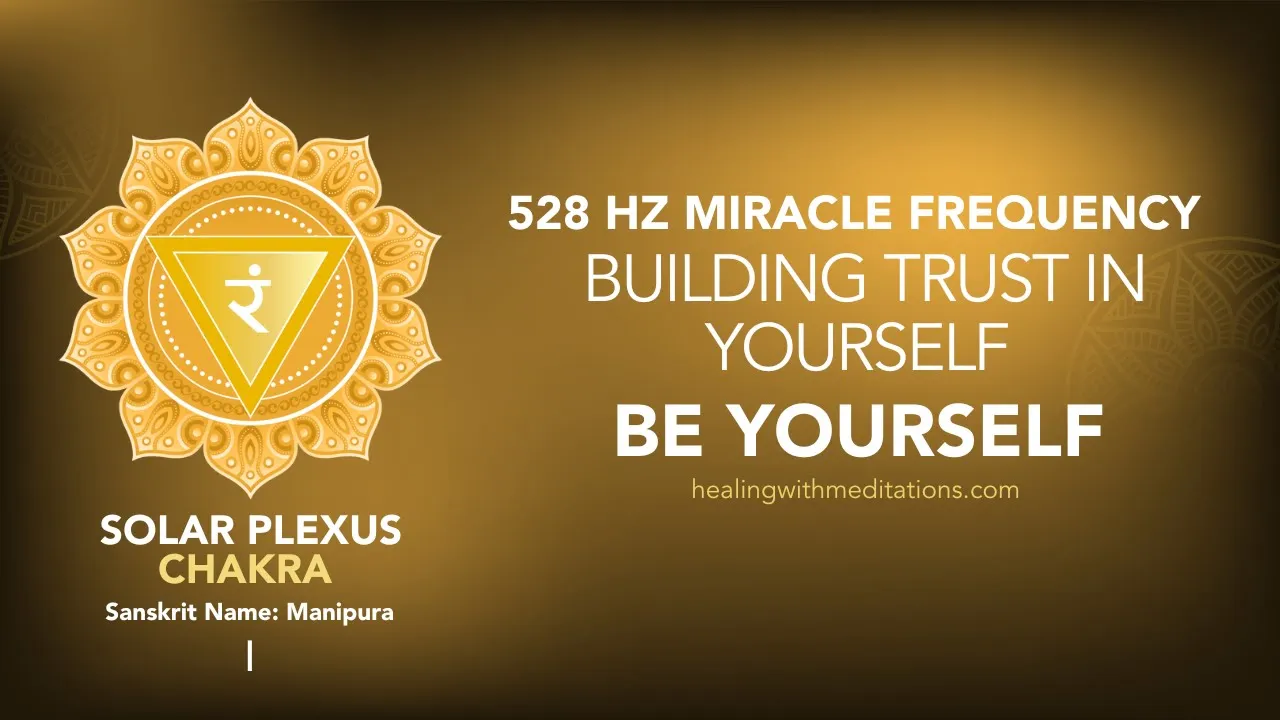
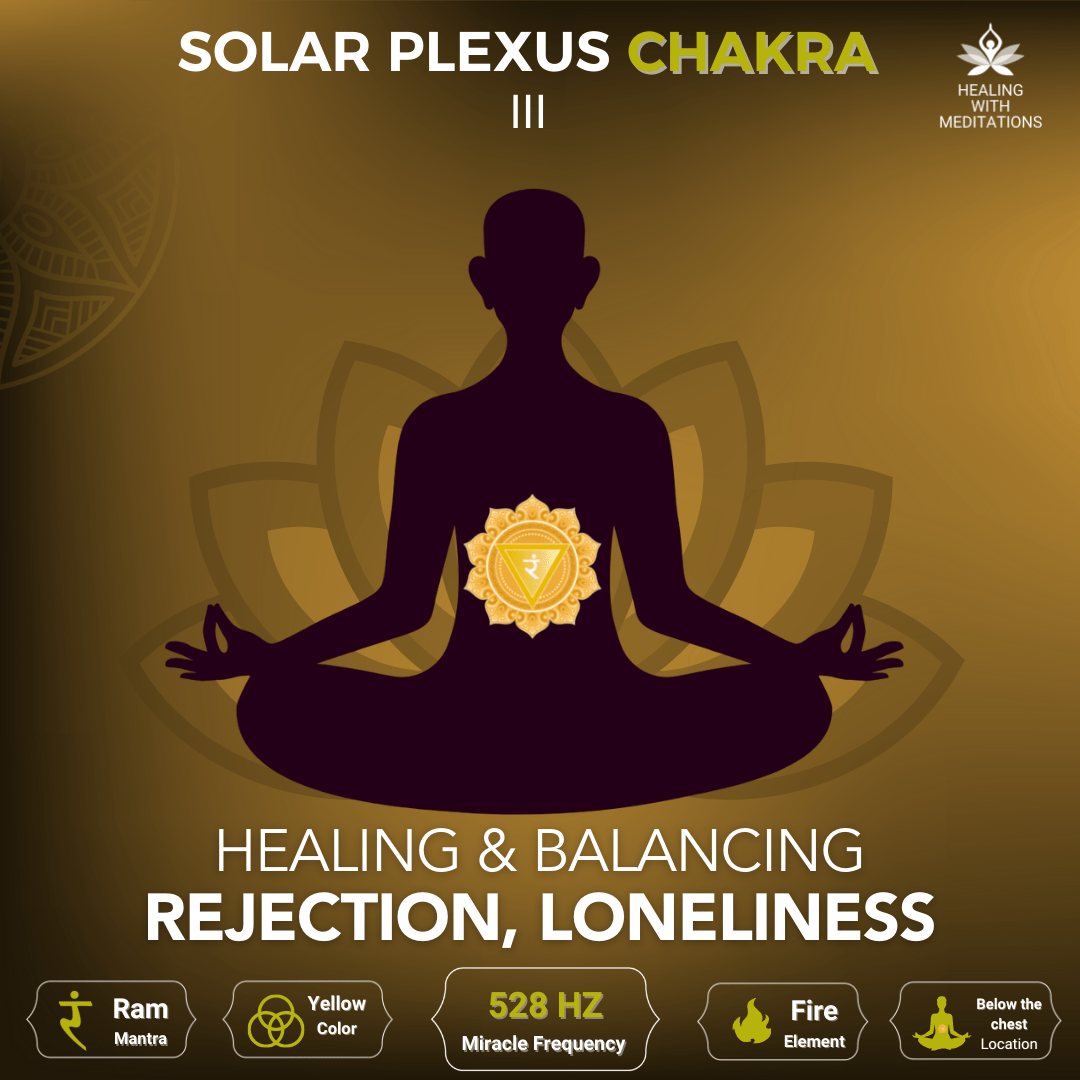
Decisions that dissolve under a frown, a knot before difficult conversations. The solar plexus.
Start with: the solar plexus guides, and one sentence said out loud alone.
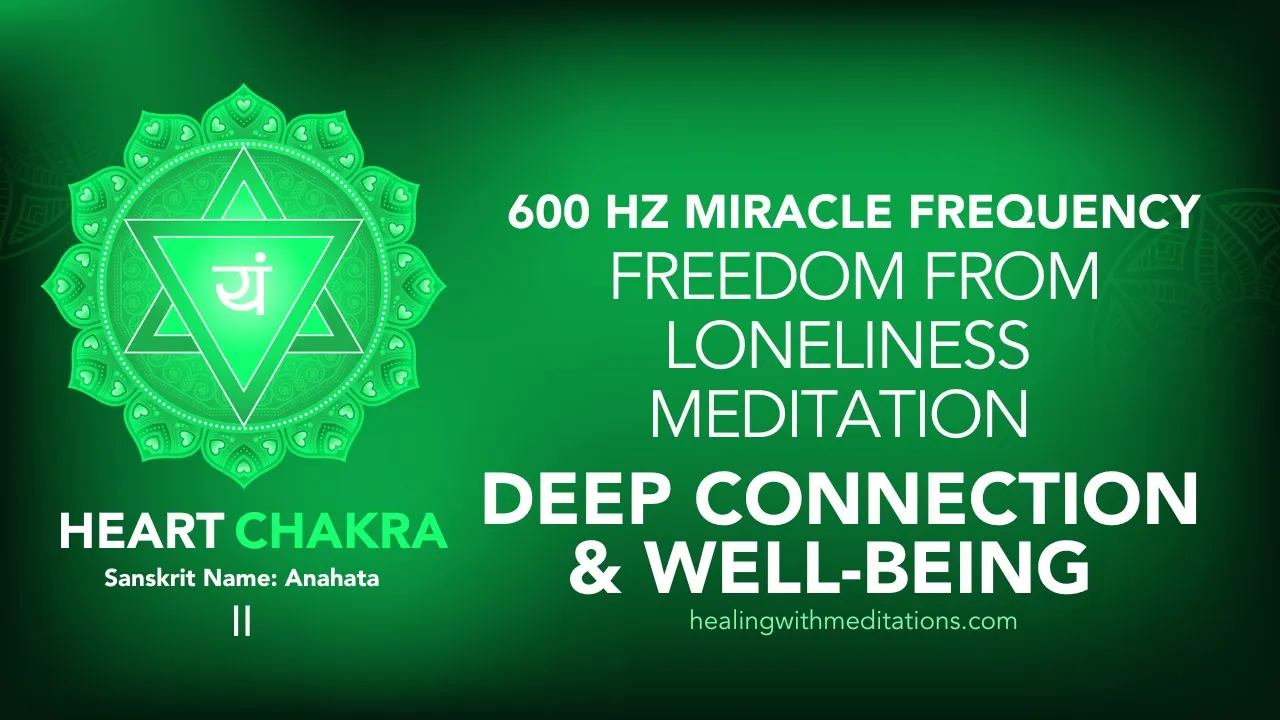
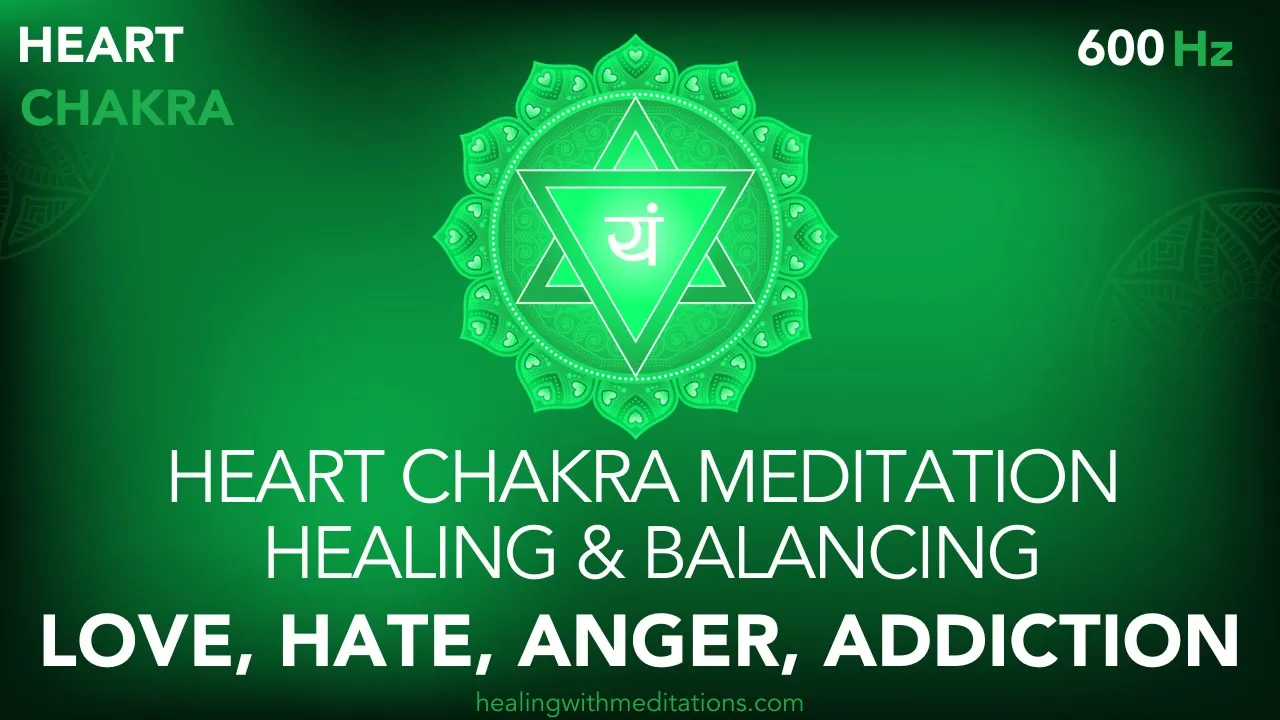
Over-giving, held grief, deflecting help. The heart, at the centre of the chest.
Start with: the heart guides, and accepting one thing without repaying it.
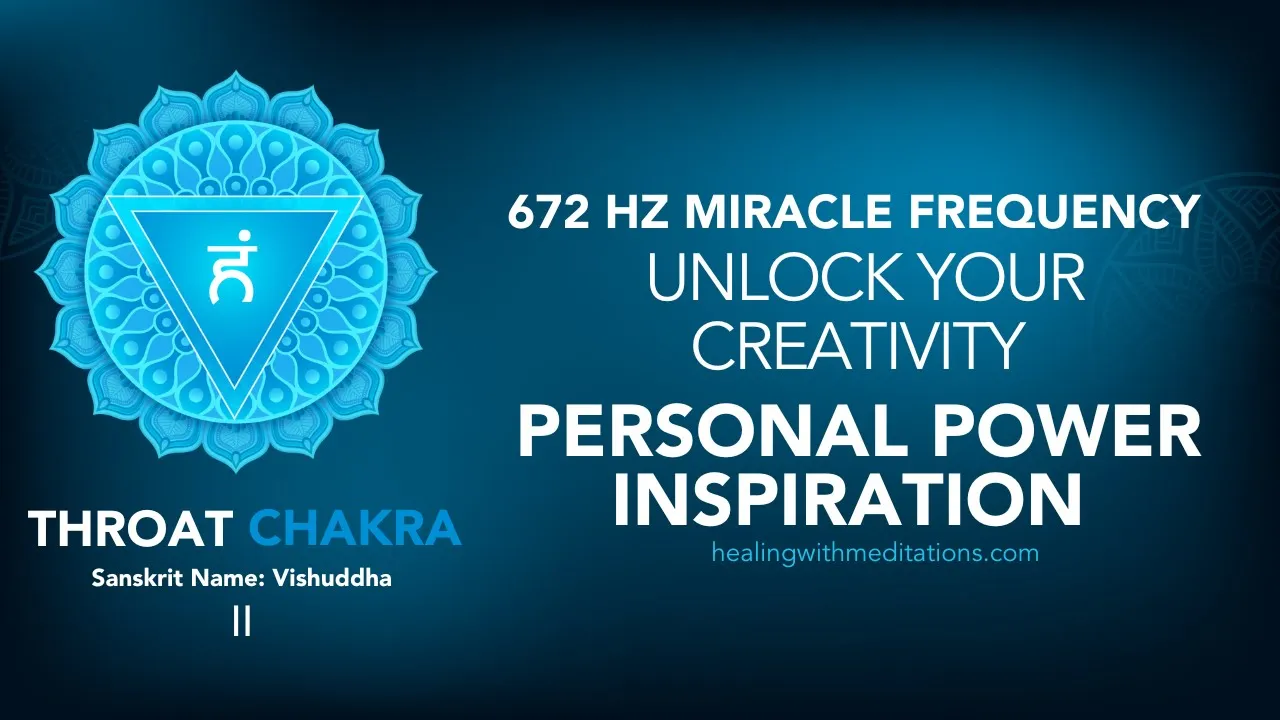
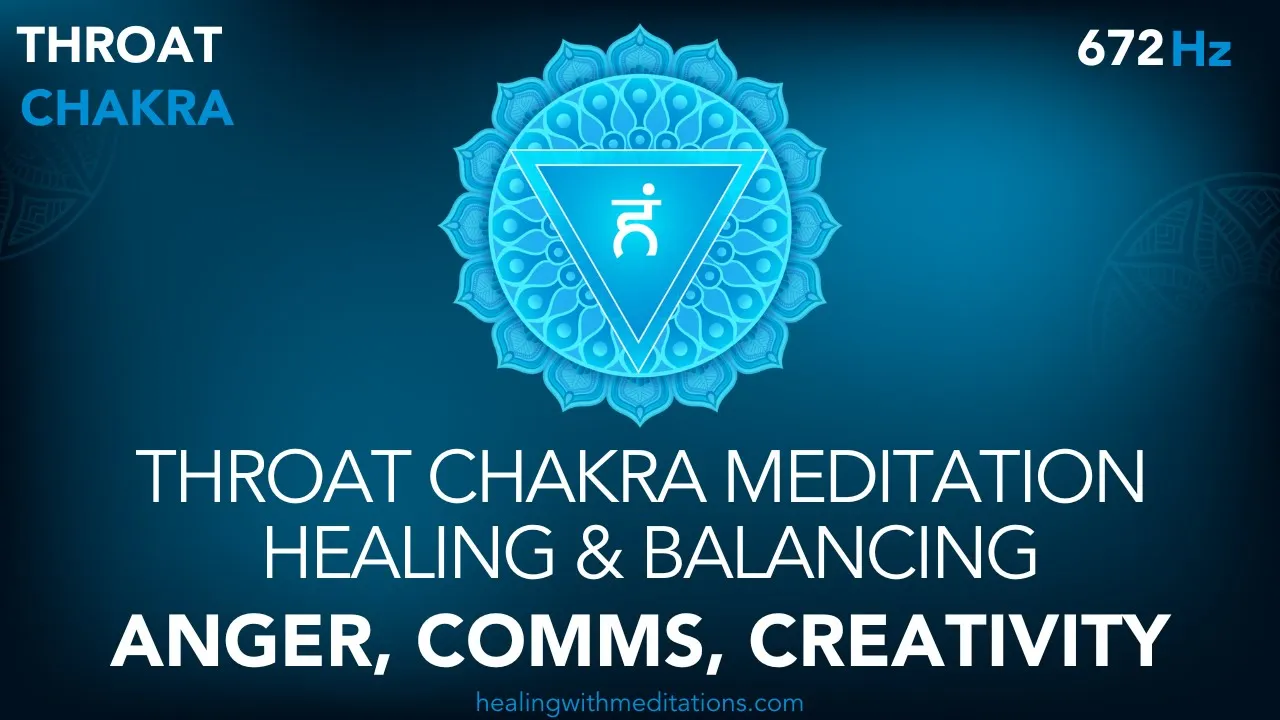
Rehearsed conversations, over-explaining, a tight throat. Vishuddha.
Start with: the throat guides, and two minutes of humming.
Analysis without movement, no dream recall. The third eye.
Start with: the third eye guides, and a deadline on the decision.
How to practise it
Pick one centre and stay with it for a fortnight rather than touring all seven. Sit for five to fifteen minutes, at roughly the same time of day. Use sound if it helps you settle and skip it if it does not.
Judge it on ordinary evidence — sleep, whether the conversation got had, whether the decision got made — rather than on whether anything was felt during the sitting.
What this practice is not
It is not anatomy: no chakra has ever been found in a body, and the tradition does not claim one. It is not a diagnostic system, and it does not treat illness. If a symptom is physical and persistent, it is a question for a doctor first.
The guides below
Each one is a single practice, with a meditation you can play while you read.
What the evidence shows — and what it does not. Music and binaural beats have measurable effects: controlled studies report reduced anxiety and lower perceived pain, alongside EEG changes during listening. Those results come from small, varied studies, so treat them as promising rather than settled. There is no peer-reviewed evidence that any single frequency performs a specific biological task. Pick a tone because the sound suits you, not because a number is acting on your cells.
About these guides. Chakra work is a contemplative and symbolic tradition, not medicine. Nothing here is medical or psychological advice, none of it treats or prevents any condition, and it does not replace care from a qualified professional. If you are living with persistent pain, exhaustion, low mood, anxiety or insomnia, please talk to a doctor — and never stop a prescribed medication because of something you read here. If you have epilepsy or a seizure disorder, check with your doctor before using pulsed tones or binaural beats.
600 Hz Heart Chakra Meditation For Excessive Responsibility
Release excessive responsibility with our 600 Hz Heart Chakra Meditation. Find emotional balance, self-care, a…
13 min readSolar Plexus Chakra: Overcome Fear with 528 Hz Meditation
Overcome fear & insecurity with our Freedom from Threatened Meditation - 528 Hz Miracle Chakra Frequency f…
18 min readUnlock Abundance: 480 Hz Sacral Chakra Meditation Guide
Manifest wealth & success with our 480 Hz Abundance Meditation. Unlock your sacral chakra's potential, att…
13 min read432 Hz Root Chakra Meditation: Transform Family Dynamics
Restore family harmony with our 432 Hz root chakra meditation. Transform family dynamics, release negativity,…
17 min read768 Hz Crown Chakra Healing: Transform Fear To Courage
Unleash courage & resilience with our 768 Hz Crown Chakra meditation. Transform fear into strength and con…
9 min readUnlock Creativity: 672 Hz Miracle Throat Chakra Guide
Unlock your creativity with our 672 Hz Chakra meditation. Access your inner artist, overcome mental blocks, an…
17 min read600 Hz Chakra Meditation: Heal Loneliness & Deep Connection
Unleash the Potential of 600Hz Money Meditation for Healing Your Heart Chakra. Effortlessly Draw in Wealth, Ab…
13 min read528 Hz Chakra Meditation for Freedom From Fear
Overcome fear with our 528 Hz meditation. Cultivate courage, inner peace, and emotional resilience for a fulfi…
13 min readSacral Chakra Money Meditation: Attract Abundance With 480 Hz
Attract wealth and prosperity with our 480 Hz Money Meditation. Manifest abundance effortlessly and transform…
14 min read768 Hz Miracle Crown Chakra: Deep Healing Meditation
Discover inner strength with Trust Life Deep Healing Meditation. Harness the 768 Hz Miracle Chakra Frequency f…
13 min readOpen 7 Chakras: Balance Life, Heal Worries & Find Love
Are you yearning to open your 7 chakras, bringing balance to your life, healing old worries, and finally findi…
15 min read7 Chakras: Healing & Balancing To Unlock Potential
Discover the power of 7 Chakras healing and balancing to transcend life’s challenges. Conquer worries, fears,…
14 min readBoost Self-Confidence: 720 Hz Chakra Meditation Guide
Freedom from all the blockages that hurt my self confidence … I embrace life with peace, my Past, Present and…
13 min readMeditation: 6 Effective Ways To Make Your Dreams Come True
Embark on a journey of dream realization with our 672 Hz Miracle Chakra Frequency. Boost your creativity, enha…
14 min readLove Meditation: Heal Relationship Problems With 600 Hz
Dive into the healing realm of love with our 600 Hz Miracle Chakra Frequency. Heal relationship problems, fost…
14 min readHow To Build Trust In Yourself: 528 Hz Chakra Meditation
Step into the power of self-trust with our 528 Hz Miracle Chakra Frequency. Cultivate confidence, authenticity…
15 min readStop Financial Stress: 480 Hz Sacral Chakra Meditation
Freedom from my blockages related to financial difficulty. Healing Chakra balancing and opening. Stop Stressin…
15 min readCrown Chakra Meditation: Your Guide to Spiritual Awakening
My Crown Chakra is balancing, opening and healing with miraculous frequency.... Trust, Spirituality, Faith are…
16 min readThroat Chakra Meditation: Heal & Balance With 672 Hz
My Throat Chakra is balancing, opening and healing with miraculous frequency.... Anger, Communication, Creativ…
12 min readHeart Chakra Healing: Balance Emotions With Meditation
My Heart Chakra is balancing, opening and healing with miraculous frequency.... Love, Hate, Anger, Addiction a…
13 min readSolar Plexus Chakra Meditation For Healing & Balance
My Solar Plexus Chakra is balancing, opening and healing with miraculous frequency.... Rejection, Criticism, L…
12 min readSacral Chakra Healing: 480 Hz For Guilt, Money & Sexuality
My Sacral Chakra is balancing, opening and healing with miraculous frequency. Guilt, Money, Sexuality, Creativ…
145 min readRoot Chakra Healing: A Guide To Unblocking & Balancing
Learn how to unblock and balance your Root Chakra through meditation, affirmations, and the power of 432 Hz he…
17 min readHappiness at Work: 432 Hz Miracle Healing & Meditation Guide
Unlock a happy career with our unique meditation program. Harness miracle healing energy to boost job satisfac…
13 min readWhat Are Chakras? A Complete Guide To The 7 Chakras
Ever wondered about the invisible energies that govern your well-being?
16 min readRoot Chakra Meditation: Boost Immunity With 432 Hz
Boost your immune system with the power of the 432Hz Root Chakra Frequency. Join us today and start your journ…
10 min readManifest Financial Abundance: 432 Hz Miracle Guide
Embrace the potential of "Resolving Financial Problems - Overcoming Difficulties - 432 Hz Miracle High Sound C…
13 min readHow 432 Hz Root Chakra Meditation Restores Family Harmony
Experience the power of the 432Hz Root Chakra Frequency to restore family harmony. Join us today and start you…
13 min readHow Meditation Boosts Confidence & Overcomes Insecurity
Boost your self-confidence with the power of the 432Hz Root Chakra Frequency. Join us today and begin your jou…
12 min read432 Hz Miracle Frequency: Attract Money & Financial Success
Discover how Root Chakra meditation and 432 Hz frequencies can help you attract financial success and unblock…
14 min read